
Short Answer
Definition of the Three Pillars of Sustainability
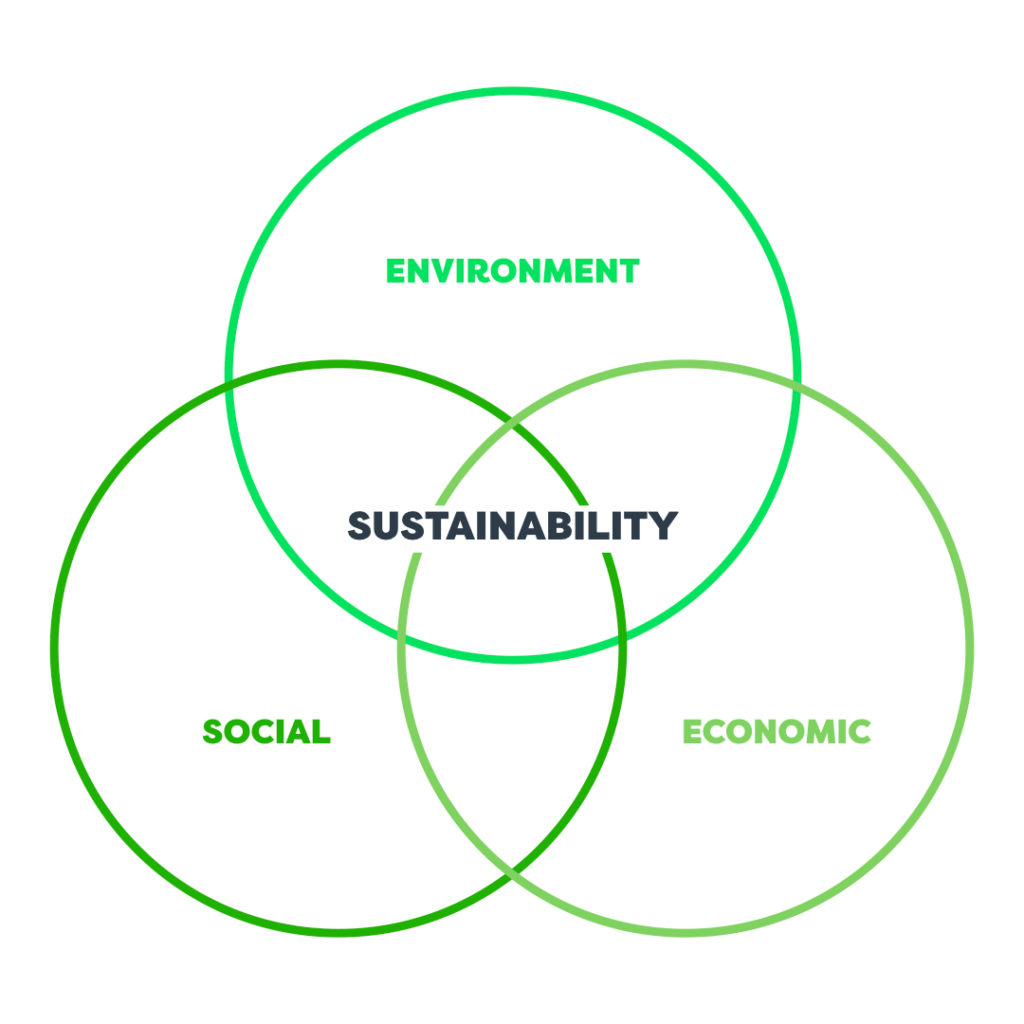
The concept of sustainability is founded on three fundamental dimensions-environmental stewardship, social equity, and economic viability-that collectively provide a comprehensive framework for addressing the complex challenges facing humanity and the planet. These three pillars serve as guiding principles to ensure that development meets present needs without compromising the ability of future generations to meet theirs.
- Environmental Pillar:
Focuses on preserving natural ecosystems, biodiversity, and the responsible management of natural resources to maintain ecological balance. - Social Pillar:
Emphasizes fairness, social inclusion, human rights, and community well-being to foster equitable societies. - Economic Pillar:
Advocates for economic systems that support long-term prosperity, resource efficiency, and sustainable growth without degrading environmental or social foundations.
Historical Origins and Evolution
The emergence of the three pillars of sustainability is deeply rooted in the intellectual and social movements of the 20th century, particularly those addressing environmental degradation and social justice. Post-World War II industrial expansion, rapid urbanization, and globalization heightened awareness of the adverse impacts on both nature and human societies, prompting calls for integrated approaches to development.
A seminal moment in this evolution was the 1972 United Nations Conference on the Human Environment in Stockholm, which marked the first major global acknowledgment of the inseparability of human welfare and environmental health. The Stockholm Declaration articulated the ethical imperative of sustainable development, advocating for a balance between ecological preservation and socio-economic progress.
The term “sustainable development” was formally defined in the 1987 Brundtland Report, officially titled Our Common Future. This landmark document, commissioned by the United Nations, framed sustainability as a triadic concept encompassing environmental integrity, economic growth, and social equity. It emphasized that development must simultaneously address poverty alleviation and environmental protection to ensure the well-being of future generations, thereby establishing the foundational tripartite model widely accepted today.
Foundations of Each Pillar
Environmental Pillar: Ecological Ethics and Conservation
The environmental dimension draws heavily from ecological science and environmental philosophy, which recognize the intrinsic value of natural systems beyond their utility to humans. Influential works such as Rachel Carson’s Silent Spring challenged anthropocentric views by exposing the harmful effects of pesticides and pollution, catalyzing environmental advocacy and policy reforms. This pillar promotes the sustainable management of ecosystems to maintain biodiversity and ecological resilience.
Social Pillar: Equity and Human Rights
The social aspect of sustainability is grounded in movements for social justice, human rights, and inclusivity. Throughout the 20th century, feminist theory, anti-colonial struggles, and civil rights activism highlighted the importance of equitable participation and representation in development processes. This pillar seeks to empower marginalized groups, reduce inequalities, and foster social cohesion, ensuring that the benefits of development are shared broadly and fairly.
Economic Pillar: Sustainable Prosperity and Resource Efficiency
Traditionally linked to capitalist economic models, the economic pillar has evolved to embrace sustainability by promoting practices that respect ecological limits. It advocates for a circular economy that prioritizes resource conservation, waste reduction, and long-term economic health. Emerging trends such as green finance, social entrepreneurship, and ethical business models exemplify this shift toward integrating profitability with environmental and social responsibility.
Interdependence and Contemporary Relevance
The three pillars are inherently interconnected, each reinforcing and depending on the others to achieve true sustainability. Environmental degradation undermines social well-being and economic stability, while social inequities can hinder economic development and environmental stewardship. Recognizing this interdependence is crucial for designing policies and initiatives that avoid prioritizing one pillar at the expense of the others, which often leads to ineffective or harmful outcomes.
In today’s global context, challenges such as climate change, social disparities, and economic volatility demand adaptive and interdisciplinary approaches. The United Nations Sustainable Development Goals (SDGs) exemplify this integrated framework by setting measurable targets that address environmental protection, social inclusion, and economic development simultaneously, fostering international cooperation and accountability.
Why the Three Pillars of Sustainability Are Essential
Understanding and applying the three pillars of sustainability is vital for guiding humanity toward a balanced coexistence with the natural world while promoting social justice and economic resilience. This framework helps policymakers, businesses, and communities develop strategies that safeguard ecological health, empower people, and ensure economic viability over the long term. By embracing this holistic approach, societies can better navigate the complexities of modernization and environmental challenges, ultimately securing a sustainable future for all.
Common Misconceptions About the Three Pillars
Sustainability focuses only on environmental protection.
While environmental care is crucial, sustainability equally prioritizes social equity and economic viability to ensure balanced development.
Economic growth is incompatible with sustainability.
Sustainable economic models promote growth that respects ecological limits and social well-being, such as circular economies and green investments.
The three pillars operate independently.
The pillars are deeply interconnected; neglecting one can undermine the others and compromise overall sustainability.
Real-World Applications of the Three Pillars
Practical implementation of the three pillars can be seen in various global initiatives and local projects:
- Environmental:
Conservation programs protecting endangered species and restoring habitats. - Social:
Community development projects that promote education, healthcare, and social inclusion. - Economic:
Adoption of renewable energy technologies and circular business models that reduce waste and create green jobs.
Frequently Asked Questions (FAQ)
What are the three pillars of sustainability?
They are environmental protection, social equity, and economic viability, which together form a comprehensive framework for sustainable development.
How did the concept of the three pillars originate?
The idea emerged from mid-20th century environmental and social justice movements, was highlighted at the 1972 UN Conference on the Human Environment, and was formally defined in the 1987 Brundtland Report.
Why is the Brundtland Report significant?
It provided a foundational definition of sustainable development, integrating environmental, social, and economic considerations into a unified framework.
How are the three pillars connected?
They are interdependent; environmental health supports social well-being and economic growth, while social equity and economic viability ensure fair and sustainable resource use.
What role do the UN Sustainable Development Goals play?
The SDGs operationalize the pillars by setting global targets that promote integrated approaches to environmental protection, social inclusion, and economic development.
FAQ
What are the three pillars of sustainability?
The three pillars of sustainability are environmental protection, social equity, and economic viability, which together form a holistic framework for sustainable development.
Where did the concept of the three pillars of sustainability originate?
The concept evolved from mid-20th century environmental and social justice movements, was highlighted at the 1972 UN Conference on the Human Environment, and was formally defined in the 1987 Brundtland Report.
Why is the Brundtland Report important for sustainability?
The Brundtland Report, published in 1987, provided a comprehensive definition of sustainable development and laid the foundation for the integration of environmental, social, and economic considerations.
How are the three pillars of sustainability interconnected?
The three pillars are interdependent; environmental health supports social well-being and economic growth, while social equity and economic viability ensure fair and sustainable resource use.
What role do the United Nations Sustainable Development Goals (SDGs) play?
The UN SDGs operationalize the pillars of sustainability by setting global targets that promote integrated approaches to environmental protection, social inclusion, and economic development.





Leave a Reply