
Short Answer
Definition of Sustainability
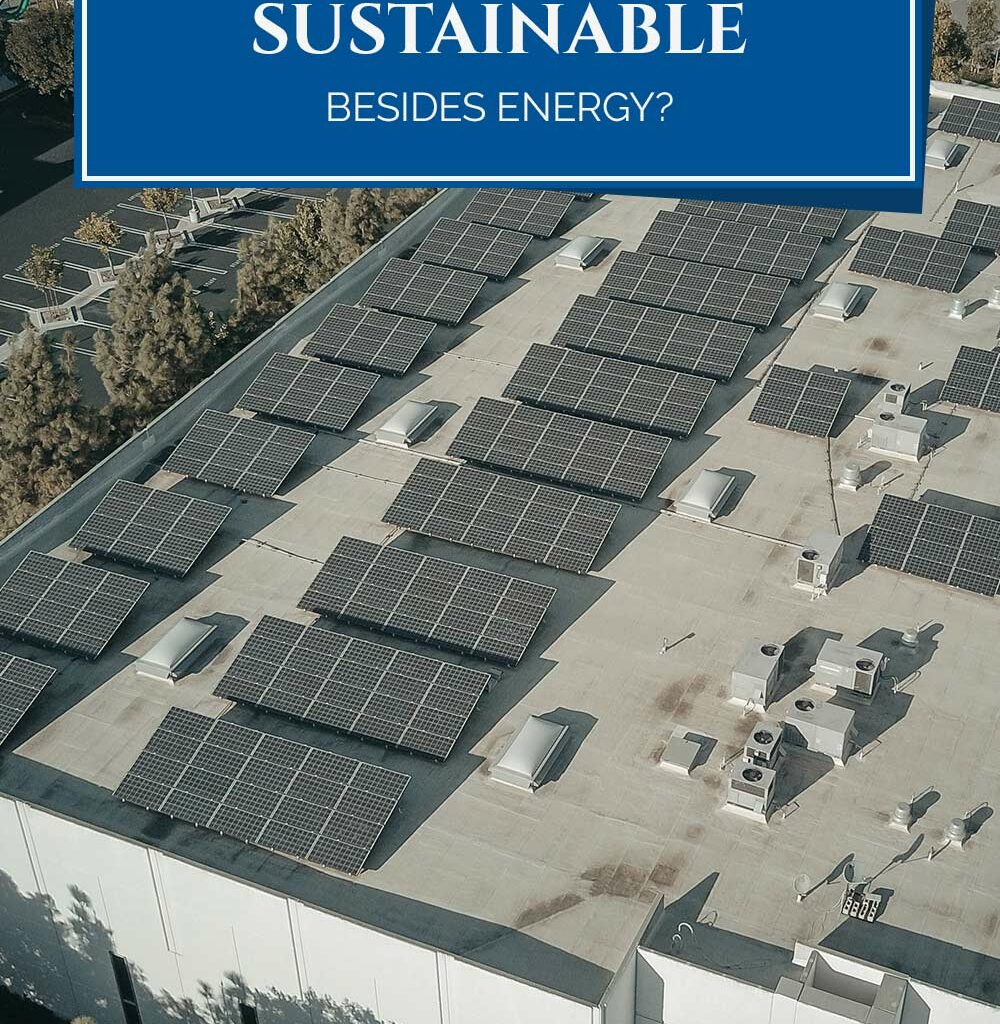
Sustainability refers to the practice of meeting present needs without compromising the ability of future generations to meet their own. While often associated with renewable energy technologies like solar and wind power, sustainability encompasses a broad spectrum of practices and materials that promote environmental health, economic viability, and social equity across various sectors.
Sustainable Agriculture: Cultivating a Resilient Future
Agriculture forms the cornerstone of sustainable development by balancing food production with ecosystem preservation. Conventional farming methods have historically contributed to soil erosion, loss of biodiversity, and environmental degradation. In contrast, sustainable agriculture employs techniques designed to maintain ecological integrity while feeding a growing population.
- Permaculture and Agroforestry:
These methods integrate diverse plant species and trees to create resilient ecosystems that naturally deter pests and enhance soil fertility. - Organic Farming:
Avoids synthetic chemicals, relying instead on natural inputs to sustain crop health and soil quality. - Regenerative Agriculture:
Goes beyond sustainability by actively restoring soil carbon levels, improving water retention, and mitigating climate change through enhanced land management.
By harmonizing environmental stewardship with economic and social benefits, sustainable agriculture supports long-term food security and ecosystem vitality.
Innovations in Sustainable Materials
The choice of materials significantly influences environmental impact across industries. Traditional materials like plastics and non-renewable composites often contribute to pollution and resource depletion. Sustainable alternatives offer eco-friendly solutions with reduced carbon footprints.
- Bamboo and Hemp:
Fast-growing and requiring minimal resources, these plants serve as renewable sources for construction, textiles, and more, while also sequestering carbon. - Bio-based Plastics:
Materials such as polylactic acid (PLA) provide biodegradable options that support circular economic models by reducing waste. - Mycelium-based Products:
Derived from fungal networks, these innovative materials are used for packaging and insulation, combining sustainability with aesthetic versatility.
Waste Management and the Circular Economy
Effective waste management is a critical yet sometimes overlooked element of sustainability. Transitioning from a linear “take-make-dispose” system to a circular economy emphasizes resource efficiency and waste minimization.
- Recycling and Composting:
Fundamental processes that divert waste from landfills and return valuable nutrients or materials back into use. - Closed-Loop Manufacturing:
Systems where waste products are reintegrated as raw materials for new production cycles, reducing environmental impact. - Upcycling:
Creative reuse of discarded materials to produce items of higher quality or environmental value, such as furniture made from reclaimed wood.
These strategies foster a culture of resourcefulness and sustainability at both individual and organizational levels.
Sustainable Architecture: Designing for Efficiency and Well-being
Sustainable architecture integrates environmentally conscious design principles to reduce energy consumption and enhance occupant comfort. This approach includes the use of eco-friendly materials, energy-efficient technologies, and adherence to green building standards like LEED (Leadership in Energy and Environmental Design).
- Passive Design:
Utilizes natural elements such as sunlight, wind, and thermal mass to regulate indoor temperatures and lighting, minimizing reliance on mechanical systems. - Site Optimization:
Strategic building placement maximizes solar gain and shields from harsh weather, improving energy efficiency and occupant health. - Urban Planning:
Incorporates walkability and green spaces to promote community well-being and ecological balance.
Community Engagement: The Human Element of Sustainability
Long-lasting sustainability depends heavily on active community participation and education. Grassroots initiatives and local collaborations empower individuals to adopt and advocate for sustainable lifestyles.
- Local Food Systems and Community Gardens:
Encourage food sovereignty and reduce environmental footprints through localized production. - Sustainable Transportation:
Promotes public transit and non-motorized travel options to decrease carbon emissions. - Educational Programs:
Workshops and partnerships with organizations raise awareness and foster collective responsibility.
Embedding sustainability into community values nurtures a shared commitment to environmental stewardship and social cohesion.
Why Sustainability is Crucial
Understanding and implementing sustainability is vital for addressing global challenges such as climate change, resource scarcity, and social inequality. By adopting sustainable practices across agriculture, materials, waste management, architecture, and community engagement, societies can ensure ecological balance, economic resilience, and improved quality of life for current and future generations.
Summary
Sustainability extends well beyond the scope of renewable energy, encompassing diverse fields that collectively contribute to a healthier planet and society. From regenerative farming methods that restore ecosystems to innovative materials and circular economic models, each facet plays a pivotal role in shaping a sustainable future. Embracing this multifaceted approach enables a comprehensive response to environmental and social challenges, fostering harmony between human activity and the natural world.
FAQ
What is sustainability?
Sustainability refers to meeting present needs without compromising the future, encompassing practices in various sectors including agriculture, materials, and community engagement.
What are some examples of sustainable materials?
Examples include bamboo, hemp, bio-based plastics, and mycelium-based products, which offer eco-friendly alternatives to traditional materials.





Leave a Reply