

Short Answer
Definition of Medical Physics and Its Motivational Landscape
Medical physics is a specialized branch of physics applied to medicine, particularly in the diagnosis and treatment of diseases. While it is often associated with complex equations and technical procedures, the field is deeply driven by a variety of motivating factors that extend beyond scientific rigor. These motivations encompass intellectual curiosity, technological innovation, collaborative teamwork, patient-centered care, educational advocacy, adaptability, professional community, and ethical responsibility. Together, they form the foundation of what inspires medical physicists in their work.
Intellectual Curiosity: The Core Drive
At the heart of medical physics lies a profound intellectual curiosity. Professionals in this field possess a relentless desire to comprehend the fundamental principles that govern complex biological and physical interactions. This curiosity fuels their continuous quest for knowledge, whether it involves exploring the physics behind medical imaging technologies or understanding the mechanisms of radiation therapy. The question “how does this work?” transcends academic interest, becoming a defining element of their professional identity and motivation.
Technological Innovation and Advancement
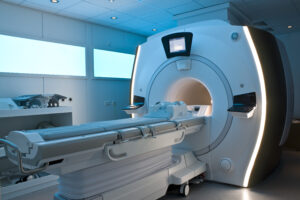
Medical physicists thrive in an environment characterized by rapid technological progress. They play a crucial role in developing and refining cutting-edge medical devices and techniques, such as Magnetic Resonance Imaging (MRI), Computed Tomography (CT), and advanced radiotherapy methods. The drive to innovate and improve diagnostic tools and treatment modalities provides a strong sense of purpose, as these advancements directly enhance patient outcomes and push the boundaries of medical science.
Collaborative Dynamics in Healthcare
Working alongside a diverse team of healthcare professionals-including radiologists, oncologists, and surgeons-is a vital aspect of medical physics. This multidisciplinary collaboration fosters a stimulating atmosphere where knowledge exchange and joint problem-solving are routine. The motivation to engage with experts from various fields enriches the medical physicist’s expertise and promotes continuous professional development, making each day an opportunity for learning and growth.
Patient-Centered Motivation
Beyond intellectual and technological pursuits, medical physicists are deeply motivated by the impact their work has on patient care. Their expertise ensures the safety and effectiveness of treatments, which can have life-changing consequences for patients and their families. This awareness instills a profound sense of responsibility and urgency, transforming their role into one of significant human importance.
Psychological Rewards from Patient Interaction
Medical physicists often engage directly with patients, explaining procedures and addressing concerns about radiation exposure. These interactions provide emotional fulfillment, as they witness firsthand the tangible benefits of their work. Through patient encounters, abstract scientific concepts become meaningful realities, reinforcing the human dimension of their profession.
Educational Advocacy and Radiation Safety
As guardians of radiation safety, medical physicists are committed to educating both patients and healthcare providers about the risks and benefits associated with radiation use. They conduct formal training sessions, workshops, and informal discussions to promote a culture of safety and informed decision-making. This educational role is a critical motivator, emphasizing the importance of knowledge dissemination in healthcare settings.
Challenges and Adaptability in Medical Physics
The field demands continuous adaptation to emerging technologies, evolving treatment protocols, and changing regulatory standards. Medical physicists are motivated by the intellectual challenge of solving complex problems and applying physics principles to practical clinical scenarios. Overcoming these obstacles not only demonstrates their expertise but also fuels their enthusiasm and commitment to the profession.
Community and Professional Camaraderie
The interdisciplinary nature of medical physics fosters a strong sense of community among practitioners. Conferences, workshops, and collaborative research projects provide platforms for sharing innovations and building professional networks. This camaraderie enhances motivation by creating opportunities for knowledge exchange and mutual support, extending beyond individual institutions.
Ethical Commitment and Professional Integrity
Medical physicists are guided by a deep ethical framework that prioritizes patient safety, treatment accuracy, and responsible technology use. This commitment to high standards of practice is a fundamental source of motivation, transforming their work from a mere occupation into a vocation with profound moral significance. Upholding these ethical principles ensures that their contributions positively impact healthcare and society at large.
Why Motivation in Medical Physics Is Essential
The diverse motivations driving medical physicists are crucial for advancing healthcare technology, ensuring patient safety, and fostering innovation. Intellectual curiosity propels scientific discovery, while collaboration and education enhance clinical practice. Ethical dedication guarantees responsible application of technology. Together, these factors create a dynamic and fulfilling profession that significantly benefits medical science and patient well-being.
Summary
In essence, medical physics is much more than a technical discipline filled with equations and protocols. It is a multifaceted profession fueled by curiosity, innovation, teamwork, patient care, education, adaptability, community, and ethics. Recognizing these motivations provides a richer understanding of the field and highlights the profound human commitment that underpins the work of medical physicists.
FAQ
What is the role of a medical physicist?
A medical physicist applies physics principles to medicine, ensuring the safety and effectiveness of medical treatments and technologies.
How do medical physicists contribute to patient care?
They ensure the safety and accuracy of treatment methods, engage in direct patient interactions, and educate healthcare providers about radiation safety.



Leave a Reply