
Short Answer
Definition of Nuclear Energy
Nuclear energy is a powerful form of energy released from atomic nuclei through specific nuclear reactions. It is often described as a double-edged sword due to its capacity to provide substantial benefits while also posing significant risks. This energy primarily originates from two processes: nuclear fission and nuclear fusion. Both processes involve changes in the nucleus of atoms, releasing vast amounts of energy that have become crucial in the global energy sector.
Fundamentals of Nuclear Fission
Nuclear fission is the foundational process behind most current nuclear power generation. It involves the splitting of heavy atomic nuclei, such as Uranium-235 or Plutonium-239, when struck by neutrons. This splitting releases a tremendous amount of energy, measured in millions of electron volts (MeV), along with additional neutrons. These neutrons can trigger further fission events, creating a self-sustaining chain reaction. The energy liberated during fission is primarily converted into heat, which can then be harnessed for electricity production.
Understanding Nuclear Fusion
Nuclear fusion is the process that powers stars, including our sun. It occurs when light atomic nuclei, typically hydrogen isotopes, combine under extreme temperatures and pressures to form a heavier nucleus, such as helium. This fusion releases enormous energy, which radiates as sunlight. Fusion holds the promise of providing nearly limitless, clean energy with minimal radioactive waste. However, replicating the intense conditions required for fusion on Earth remains a significant scientific and engineering challenge.
How Nuclear Power Plants Operate
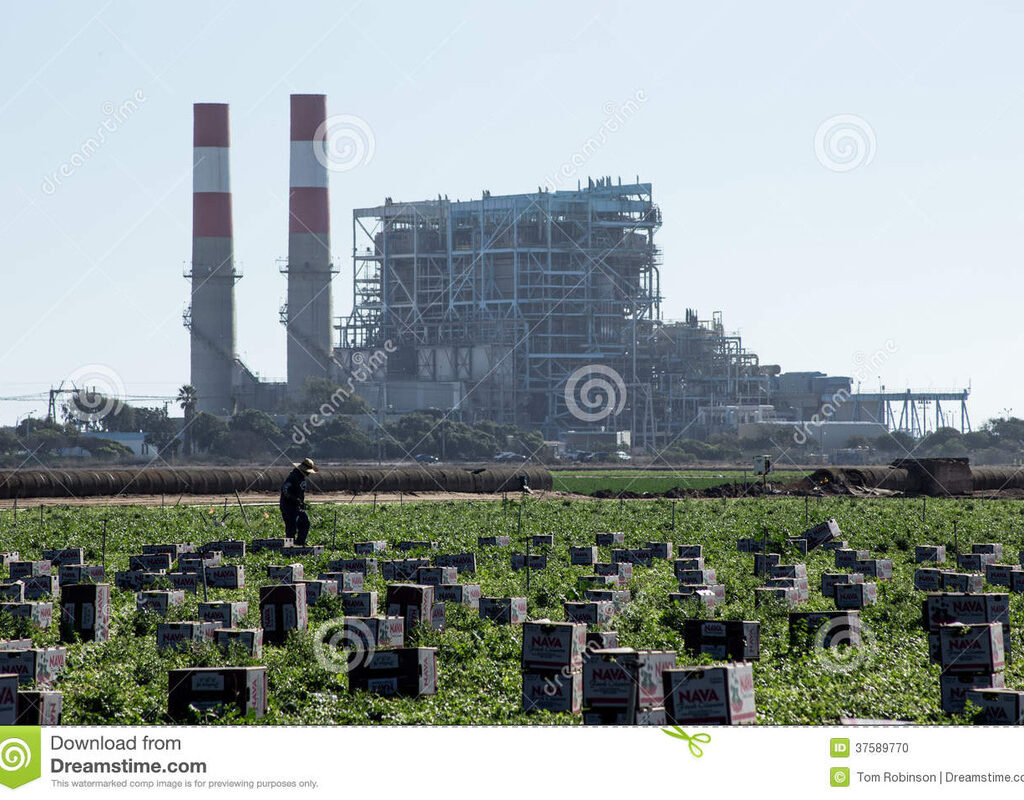
Nuclear power plants convert the energy from nuclear fission into usable electricity through a series of thermal and mechanical processes. At the heart of the plant is the reactor core, where controlled fission reactions generate heat. This heat is used to convert water into steam, which then drives turbines connected to electrical generators. Unlike fossil fuel plants, nuclear reactors produce minimal carbon emissions, making them an important component in efforts to reduce greenhouse gases and combat climate change.
Environmental and Safety Considerations
Despite its advantages, nuclear energy presents significant challenges and risks. High-profile nuclear accidents, such as those at Chernobyl and Fukushima, highlight the potential dangers associated with nuclear power, including threats to public health and environmental contamination. Additionally, the management of radioactive waste remains a critical issue. Nuclear waste contains long-lived isotopes that require secure storage for thousands of years, posing complex ethical and technical dilemmas for policymakers and scientists alike.
Global Attitudes Toward Nuclear Energy
International perspectives on nuclear energy vary considerably. Some countries, like France, rely heavily on nuclear power, with over 70% of their electricity generated from nuclear reactors. This reliance supports their goals for energy security and carbon neutrality. In contrast, nations such as Germany have chosen to phase out nuclear power, prioritizing renewable energy sources due to concerns over safety and waste management. These differing approaches reflect the complex balance between energy needs, environmental goals, and public opinion.
Emerging Technologies and Future Prospects
The future of nuclear energy is shaped by ongoing innovations aimed at addressing its traditional limitations. Small modular reactors (SMRs) and advanced fusion reactor designs offer the potential for enhanced safety, reduced waste production, and lower operational costs. International collaborations, such as the ITER project, are pioneering efforts to achieve practical fusion energy. These advancements could transform nuclear power into a more sustainable and widely accepted energy source, helping to meet the growing global demand while minimizing environmental impact.
Common Misconceptions About Nuclear Energy
Nuclear energy is inherently unsafe.
While accidents have occurred, modern reactor designs incorporate numerous safety features that significantly reduce risks.
Nuclear power produces large amounts of greenhouse gases.
Nuclear energy generation emits negligible carbon dioxide compared to fossil fuels.
Nuclear waste cannot be managed safely.
Advanced storage and recycling technologies are being developed to handle radioactive waste securely.
Significance of Nuclear Energy in Modern Society
Nuclear energy plays a vital role in the contemporary energy mix by providing a reliable, low-carbon source of electricity. Its ability to generate large-scale power with minimal greenhouse gas emissions makes it a key player in combating climate change. Furthermore, nuclear technology contributes to medical, industrial, and scientific advancements. Understanding and responsibly managing nuclear energy is essential for sustainable development and meeting the world’s growing energy demands.
Conclusion: Navigating the Dual Nature of Nuclear Energy
Nuclear energy symbolizes humanity’s complex relationship with powerful technologies-offering tremendous benefits alongside serious responsibilities. Its dual nature demands careful consideration of safety, environmental impact, and ethical stewardship. As society advances, the challenge lies in harnessing nuclear energy wisely to ensure a sustainable and secure energy future, balancing innovation with caution and foresight.
FAQ
What is nuclear energy?
Nuclear energy is the energy released from the nucleus of atoms through nuclear fission or fusion reactions.
How do nuclear power plants work?
They use nuclear fission to generate heat, which converts water into steam that drives turbines to produce electricity.
What are the risks of nuclear energy?
Risks include nuclear accidents and the challenge of safely managing long-lived radioactive waste.
What is the difference between nuclear fission and fusion?
Fission splits heavy atoms into smaller ones releasing energy; fusion combines light atoms to form heavier ones, also releasing energy.
Is nuclear energy environmentally friendly?
Nuclear energy produces very low greenhouse gas emissions compared to fossil fuels but creates radioactive waste that requires careful management.






Leave a Reply