
Short Answer
Definition of Virtual Instrumentation
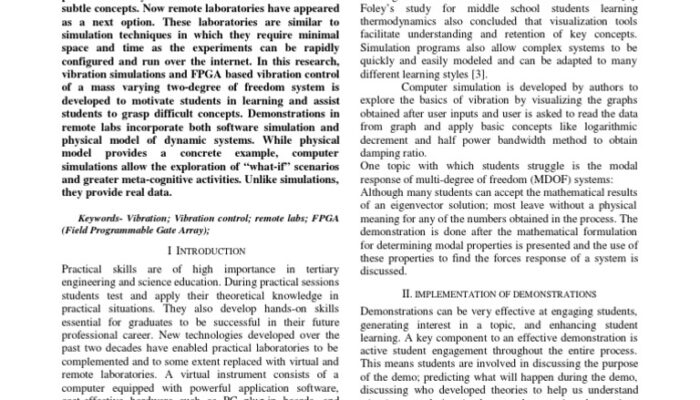
Virtual instrumentation refers to the integration of computer technology with measurement and control systems, transforming traditional physical instruments into flexible, software-based platforms. This approach replaces bulky, hardware-dependent devices with adaptable, portable solutions that leverage digital capabilities to enhance precision and efficiency in data acquisition and analysis.
- Software-Centric Approach:
Virtual instrumentation relies primarily on software to perform measurement functions, allowing for customization and scalability. - Hardware-Software Fusion:
It combines physical sensors and data acquisition hardware with sophisticated software interfaces to create versatile measurement systems.
Core Components and Architecture
The structure of virtual instrumentation typically involves multiple layers working together to capture, process, and interpret data. Central to this framework is software such as LabVIEW, which provides a graphical programming environment enabling users to design and implement custom instrumentation setups without extensive coding knowledge.
- Data Acquisition Hardware:
Interfaces with sensors to collect raw data from physical phenomena. - Graphical User Interface (GUI):
Offers an intuitive visual platform for configuring instruments and displaying results. - Data Processing Layer:
Analyzes and transforms raw signals into meaningful information.
Functionality and Integration
Virtual instrumentation excels in unifying diverse measurement functions within a single software environment. It supports the seamless integration of various sensor types-such as temperature sensors, accelerometers, and pressure transducers-enabling comprehensive monitoring of complex systems. This versatility allows engineers and researchers to tailor measurement solutions to specific applications, enhancing both robustness and adaptability.
Real-Time Data Acquisition and Control
One of the defining features of virtual instrumentation is its capability to perform real-time data acquisition and control. This involves continuous monitoring of parameters with precise timing and synchronization, essential for applications requiring immediate response to changing conditions. Industries like manufacturing, aerospace, and energy benefit significantly from these systems, which improve process control and operational safety.
Cloud Computing and Collaborative Potential
The rise of cloud technology has expanded the horizons of virtual instrumentation by enabling remote data storage, processing, and sharing. Data collected by virtual instruments can be uploaded to cloud servers, facilitating advanced analytics and fostering collaboration among geographically dispersed teams. This global connectivity transforms virtual instrumentation into a platform for collective innovation and knowledge exchange.
Data Visualization Techniques
Effective visualization is crucial in converting raw data into actionable insights. Virtual instrumentation platforms provide powerful tools such as graphs, charts, and three-dimensional models that help users interpret complex datasets. These visual representations enhance understanding and support informed decision-making across scientific and industrial domains.
Incorporation of Artificial Intelligence and Machine Learning
Integrating AI and machine learning algorithms into virtual instrumentation systems introduces advanced predictive analytics capabilities. By analyzing historical data patterns, these systems can forecast future trends and behaviors, enabling proactive maintenance, reducing downtime, and optimizing system performance. This fusion of technologies marks a significant advancement in intelligent measurement and control.
Challenges and Security Considerations
Despite its advantages, virtual instrumentation faces challenges related to cybersecurity and data integrity. The reliance on software and network connectivity exposes systems to potential vulnerabilities, making it essential to implement robust security measures. Ethical considerations and data protection protocols must be prioritized to safeguard sensitive information and maintain system reliability.
Significance and Future Outlook
Virtual instrumentation represents a transformative convergence of physics, computer science, and engineering, reshaping how data is collected, analyzed, and utilized. Its multifaceted capabilities-from real-time monitoring and cloud integration to enhanced visualization and predictive analytics-position it as a cornerstone technology in modern research and industry. As digital innovation continues to evolve, virtual instrumentation will play a critical role in driving efficiency, accuracy, and collaboration across diverse fields, ultimately advancing human ingenuity and technological progress.
FAQ
What is virtual instrumentation?
Virtual instrumentation is the use of software and computer technology to perform measurement and control functions traditionally handled by hardware instruments.
How does virtual instrumentation differ from traditional instrumentation?
Unlike traditional instrumentation, which relies on fixed hardware devices, virtual instrumentation uses flexible software-driven systems that allow customization, portability, and integration of multiple measurement functions.
What are common applications of virtual instrumentation?
It is widely used in engineering, research, industrial process control, manufacturing, aviation, energy sectors, and scientific data analysis.
What software platforms are commonly used for virtual instrumentation?
LabVIEW is a popular software platform that provides a graphical interface for designing custom virtual instruments.
What are the challenges associated with virtual instrumentation?
Challenges include cybersecurity risks, ensuring data integrity, and managing complex software-hardware integration.


Leave a Reply