
Short Answer
Definition of Environmental Ethics
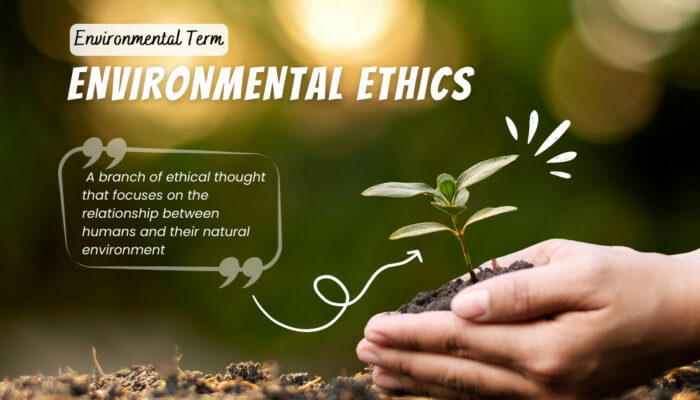
Environmental ethics is a branch of philosophy that examines the moral relationship between humans and the natural environment. It establishes guiding principles for how individuals, organizations, and governments should interact with the natural world, emphasizing the inherent worth of ecosystems and living beings. This ethical framework encourages sustainable behaviors and policies that promote harmony between human society and nature.
Philosophical Perspectives in Environmental Ethics
Environmental ethics encompasses several key philosophical viewpoints, each offering a unique lens through which to understand humanity’s moral duties toward the environment:
- Anthropocentrism:
This viewpoint centers human beings as the primary holders of moral value. It suggests that environmental protection is important mainly because it benefits human welfare. Often, this leads to a utilitarian approach where nature is valued for its usefulness to people. - Biocentrism:
Extending moral consideration beyond humans, biocentrism asserts that all living organisms possess intrinsic value and rights. It calls for ethical decisions that respect biodiversity and the well-being of all life forms. - Ecocentrism:
This perspective broadens ethical concern to entire ecosystems, including the complex interrelations among organisms and their environments. It promotes a holistic approach to conservation, emphasizing the protection of ecological integrity as a whole.
Ethical Challenges in Environmental Protection
One of the central ethical dilemmas in environmental stewardship is the ongoing exploitation and degradation of natural resources, often driven by immediate economic interests. This short-sightedness neglects the rights and needs of future generations as well as non-human entities, revealing a significant moral gap. Addressing this requires adopting ethical frameworks that prioritize long-term responsibility and sustainability.
Intergenerational Justice and Sustainability
Environmental ethics highlights the concept of intergenerational justice, which stresses the obligation to preserve a healthy planet for future inhabitants. This principle challenges current policies and practices that contribute to environmental harm, such as deforestation, climate change, and biodiversity loss. It advocates for a fundamental shift toward sustainable development that balances ecological health with human progress.
Collective Responsibility: The Role of Institutions
Beyond individual actions, environmental ethics calls for systemic change involving corporations and governments. These entities wield significant influence over environmental outcomes through their policies and business practices. Ethical governance and corporate responsibility are essential to fostering sustainable resource management and mitigating environmental degradation on a large scale.
Cultural Influences on Environmental Ethics
Perceptions of nature and environmental responsibility are often shaped by cultural and personal values. Some cultures regard the environment as sacred, while others adopt a more utilitarian stance. Promoting dialogue and education can help bridge these differences, fostering a shared ethical commitment to environmental protection across diverse communities.
Climate Change and Ethical Considerations
Climate change exemplifies the urgent ethical issues in environmental protection. Its impacts disproportionately affect vulnerable populations who contribute least to the problem, raising critical questions about climate justice. Ethical frameworks that emphasize inclusivity and equity are vital to ensuring that environmental policies fairly distribute both burdens and benefits.
Principles of Sustainability Rooted in Ethics
The three pillars of sustainability-economic viability, ecological integrity, and social equity-are deeply intertwined with ethical reasoning. This triad underscores the need for balanced approaches to development that respect environmental limits while promoting social well-being. Integrating ethics into sustainability efforts helps align economic and ecological goals for the benefit of present and future generations.
Education as a Catalyst for Environmental Ethics
Instilling environmental ethics through education is crucial for nurturing a responsible relationship with nature. Teaching ethical values encourages critical thinking and empowers individuals to challenge harmful practices. An informed and ethically conscious population is better equipped to innovate and advocate for sustainable solutions.
Conclusion: The Imperative of Ethics in Environmental Protection
Environmental ethics provides a vital foundation for addressing the complex challenges facing the planet. By embracing philosophical insights and ethical principles such as sustainability, intergenerational justice, and social equity, society can foster a culture of respect and responsibility toward the natural world. This ethical commitment is essential for ensuring the protection and preservation of the environment for current and future generations, highlighting the interconnectedness of all life on Earth.
FAQ
What is environmental ethics?
Environmental ethics is a branch of philosophy that examines the moral relationship between humans and the natural environment.
Why is ethics important in environmental protection?
Ethics helps guide decision-making and actions to ensure sustainable practices that protect the environment for future generations.





Leave a Reply