

Short Answer
Definition
The intersection of physics and health science represents a complex and dynamic relationship that integrates natural laws, biological functions, and innovative approaches aimed at improving human health. This interdisciplinary connection explores how physical principles govern biological systems and influence medical technologies, thereby enhancing our understanding of health and disease.
- Physics:
The branch of science concerned with the fundamental laws of matter, energy, and their interactions in the universe. - Health Science:
The study of biological systems, health maintenance, disease prevention, and medical treatment. - Interdisciplinary Link:
The fusion of physics and health science provides insights into the mechanisms of the human body and medical innovations.
Fundamental Concepts Bridging Physics and Health Science
Physics offers a foundational framework for understanding the forces and energies that influence biological processes. Health science focuses on the complexities of living organisms and their responses to internal and external stimuli. When combined, these fields reveal the physical underpinnings of physiological functions and medical technologies.
Biomechanics: The Physics of Human Movement
Biomechanics applies mechanical principles to analyze the motion and function of the human body. Newtonian mechanics, including laws of motion and force, are essential for studying how muscles, bones, and joints interact during activities such as walking, running, and sports performance.
- Application:
Evaluating joint torques and forces helps prevent injuries and optimize rehabilitation. - Sports Science:
Physics-based analysis improves athletic performance by understanding movement dynamics.
Medical Imaging Technologies
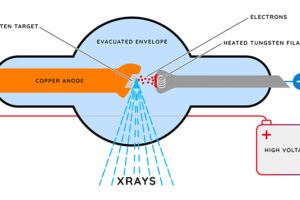
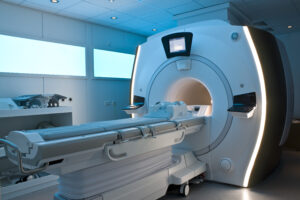
Medical imaging techniques utilize physical phenomena such as electromagnetic waves and particle interactions to visualize internal body structures. Technologies like X-rays, MRI, and CT scans depend on the relationship between wave frequency and energy, as described by Planck’s equation, to generate detailed diagnostic images.
- X-rays:
Use high-energy electromagnetic waves to penetrate tissues and create images of bones and organs. - MRI:
Employs magnetic fields and radio waves to produce detailed images of soft tissues. - CT Scans:
Combine X-ray images from multiple angles to create cross-sectional views of the body.
Thermodynamics in Human Physiology
Thermodynamics explains how the human body regulates temperature and maintains homeostasis through energy transfer and transformation. Processes such as sweating and shivering are physical responses that help balance internal and external temperatures, illustrating the application of thermal physics in biology.
- Homeostasis:
The body’s ability to maintain stable internal conditions despite environmental changes. - Thermoregulation:
Mechanisms like perspiration and muscle contractions that control body temperature. - Clinical Relevance:
Managing conditions such as fever and hypothermia involves understanding thermal energy exchanges.
Physics in Pharmacology and Drug Delivery
The design and administration of pharmaceuticals rely heavily on principles from fluid dynamics and material science. Understanding how drugs move through biological membranes, diffuse, and interact with bodily fluids is crucial for developing effective delivery systems that maximize therapeutic benefits and minimize side effects.
- Fluid Dynamics:
Governs the flow and distribution of drugs within the body. - Material Science:
Informs the creation of drug carriers and controlled-release mechanisms.
Biophysics: Exploring Life at the Molecular Level
Biophysics merges physical methods with biological research to investigate the structure and function of macromolecules such as proteins and nucleic acids. Techniques like spectroscopy and molecular modeling provide insights into disease mechanisms and facilitate the development of targeted treatments.
- Spectroscopy:
Analyzes molecular interactions and conformations. - Molecular Modeling:
Simulates biological processes to predict behavior and drug interactions.
Philosophical and Epistemological Perspectives
The integration of physics and health science raises fundamental questions about the nature of life, health, and disease. It challenges us to consider how physical laws govern cellular activities and how environmental physics impacts public health outcomes, emphasizing that a comprehensive understanding of health requires acknowledging these physical foundations.
Technological Innovations Driven by Physics in Health Science
Advances in bioengineering and medical technology exemplify the practical applications of physics in healthcare. Prosthetics designed to replicate natural limb movement depend on principles of leverage, balance, and material properties. Similarly, wearable biosensors utilize physical signal detection to monitor health conditions, enabling improved management of chronic diseases.
- Prosthetics:
Engineered to mimic biomechanics for enhanced mobility. - Biosensors:
Devices that detect physiological signals for real-time health monitoring.
Why the Physics-Health Science Relationship Is Crucial
The synergy between physics and health science is vital for advancing medical knowledge and improving patient care. By applying physical principles to biological systems, researchers and clinicians can develop innovative diagnostic tools, effective treatments, and preventive strategies. This interdisciplinary approach not only deepens our understanding of human health but also drives technological progress that benefits society at large.
Summary
The collaboration between physics and health science forms a foundational narrative that enriches our comprehension of biological processes and medical technologies. From biomechanics and imaging to thermodynamics and pharmacology, this relationship fosters innovation and enhances healthcare outcomes. As research continues to explore this nexus, it promises to revolutionize medical practice and public health through a rigorous application of physical laws to the living world.
FAQ
What is the relationship between physics and health science?
Physics provides fundamental principles that explain biological processes and enable the development of medical technologies, bridging physical laws and health science.
How does biomechanics relate to health science?
Biomechanics uses physics to analyze human movement, which helps in injury prevention, sports science, and rehabilitation.
What medical technologies rely on physics?
Technologies like X-ray imaging, MRI, and CT scans are based on physical principles to visualize internal body structures.
Why is understanding thermodynamics important in medicine?
It explains how the body regulates temperature and maintains homeostasis, critical for managing health conditions related to temperature.
How does physics improve drug delivery?
Physics informs the design of drug delivery systems by understanding fluid flow and material properties to optimize treatment effectiveness.




Leave a Reply