

Short Answer
Understanding Loudness
Loudness is a fundamental aspect of how we experience sound, yet it is more complex than simply measuring sound levels. It represents the subjective perception of sound intensity, influenced by factors such as frequency, duration, and the listener’s individual sensitivity. Unlike objective sound pressure levels, loudness encompasses psychoacoustic elements-how the human brain interprets auditory signals-making it a nuanced concept in acoustics.
Definition of Sound Intensity and Loudness
Sound intensity refers to the physical power carried by sound waves, typically measured in decibels (dB). Loudness, however, is the perceived strength or volume of a sound as interpreted by the human ear and brain.
- Sound Intensity:
The measurable energy of sound waves, expressed in decibels, which quantifies the pressure variations in the air. - Loudness:
The subjective auditory sensation that depends on sound intensity, frequency, and listener perception.
Decibel Scale and Sound Pressure Levels
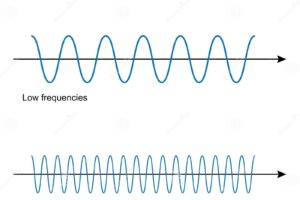
The decibel (dB) scale is a logarithmic measurement system used to express sound pressure levels relative to a reference point, typically 20 micropascals-the threshold of human hearing. This scale compresses a wide range of sound intensities, from the faintest whisper around 30 dB to the overwhelming noise of a jet engine exceeding 150 dB. While decibels provide a standardized way to quantify sound, they do not fully capture the perceived loudness, which varies with frequency and individual hearing characteristics.
Instruments for Measuring Loudness
Sound Level Meters
Sound level meters are the primary tools for quantifying sound intensity. These devices use microphones to convert sound waves into electrical signals, which are then amplified and processed to produce decibel readings. Modern sound level meters often include frequency weighting filters, such as the A-weighting filter, which adjusts measurements to reflect the human ear’s sensitivity to different frequencies, thereby approximating perceived loudness more accurately.
- Microphone:
Captures sound waves and converts them into electrical signals. - Amplifier:
Enhances the electrical signal for processing. - Signal Processor:
Analyzes the signal and applies frequency weighting to generate a decibel reading.
These meters are widely used in environmental noise monitoring, workplace safety assessments, and audio engineering to ensure sound levels remain within acceptable limits.
Dosimeters
Dosimeters complement sound level meters by measuring an individual’s cumulative exposure to noise over time. Equipped with microphones and data logging capabilities, dosimeters track sound levels continuously, providing valuable information about long-term auditory risks, especially in occupational environments like construction sites and factories. This data is critical for implementing hearing conservation programs and preventing noise-induced hearing loss.
Advancements in Sound Measurement Technology
Recent developments in artificial intelligence have enhanced traditional sound measurement tools. AI algorithms analyze complex sound patterns, compare them against established loudness thresholds, and offer real-time monitoring with improved accuracy. These intelligent systems can integrate personal hearing profiles and environmental data to predict potential auditory health outcomes, enabling proactive hearing protection strategies.
The Role of Psychoacoustics in Loudness Measurement
Psychoacoustics, the interdisciplinary study of sound perception, bridges the gap between physical sound properties and human auditory experience. It examines how frequency, duration, and contextual factors influence loudness perception. Insights from psychoacoustics inform the calibration of sound measurement devices, ensuring their outputs align more closely with how humans actually perceive sound intensity.
Practical Applications of Loudness Measurement
Accurate loudness measurement is vital across numerous fields:
- Music and Audio Production:
Producers and sound engineers adjust loudness levels to create balanced and pleasing auditory experiences. - Architectural Acoustics:
Acoustic engineers design spaces with optimal sound distribution, using measurement tools to guide architectural decisions. - Environmental Noise Control:
Monitoring and managing noise pollution helps protect public health and maintain ecological balance. - Occupational Safety:
Measuring workers’ noise exposure prevents hearing damage in high-decibel workplaces.
Common Misunderstandings About Loudness
- Misconception: Loudness is the same as sound pressure level.
Correction: Loudness is a subjective perception influenced by multiple factors beyond just sound pressure. - Misconception: Decibel readings alone fully describe how loud a sound is.
Correction: Decibel values quantify intensity but do not account for frequency sensitivity or individual hearing differences.
Significance of Measuring Loudness
Understanding and accurately measuring loudness is crucial for safeguarding hearing health, enhancing audio experiences, and managing environmental noise. It enables informed decisions in technology, urban planning, and occupational safety, ultimately improving quality of life and preserving auditory well-being.
Summary
The measurement of loudness transcends simple numerical values, embodying a complex interplay between physical sound properties and human perception. Instruments like sound level meters and dosimeters, enhanced by psychoacoustic principles and artificial intelligence, provide essential insights into this phenomenon. As we deepen our understanding of sound and its effects, precise loudness measurement remains a cornerstone in the science and application of acoustics.
FAQ
What instrument is used to measure loudness?
Sound level meters are the primary instruments used to measure loudness by converting sound waves into electrical signals and providing readings in decibels.
What is a dosimeter and how is it used?
A dosimeter measures an individual's exposure to loud sounds over time, recording cumulative noise levels to assess hearing risk.
Why is A-weighting important in sound measurement?
A-weighting adjusts sound measurements to better match human auditory sensitivity, providing more accurate reflections of perceived loudness.
How does psychoacoustics influence sound measurement?
Psychoacoustics studies human sound perception and informs the calibration of instruments to ensure measurements correspond to how loudness is actually experienced.
In which fields is loudness measurement particularly important?
Loudness measurement is vital in fields such as environmental noise monitoring, occupational health and safety, music production, and acoustic engineering.

Leave a Reply