
Short Answer
Definition of Instrumentation in Scientific Research
Instrumentation refers to the comprehensive array of tools, devices, and techniques employed to observe, measure, and manipulate variables within scientific experiments. It forms the essential link between theoretical concepts and their empirical validation, enabling researchers to translate abstract hypotheses into quantifiable data. Far from being a mere accessory, instrumentation constitutes the foundational framework that supports rigorous scientific investigation across diverse disciplines.
Significance of Instrumentation in Experimental Accuracy
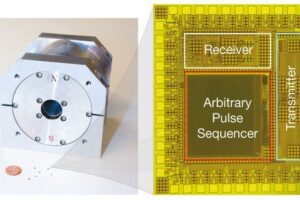
At the core of scientific inquiry lies the necessity for precise and reliable measurements. Instrumentation provides the means to achieve this precision, ensuring that experimental outcomes are both valid and reproducible. In fields such as physics, chemistry, biology, and engineering, the fidelity of data collection hinges on the sophistication of the instruments used. Devices like spectrometers, chromatographs, and electron microscopes exemplify the advanced technologies that empower scientists to capture detailed and accurate observations, thereby reinforcing the credibility of their findings and fostering confidence within both the scientific community and the public.
Instrumentation as a Driver of Innovation
Beyond measurement, instrumentation acts as a catalyst for scientific innovation by enabling the development of novel experimental methodologies. Researchers continuously seek to overcome the constraints of previous paradigms, and advancements in instrumentation often unlock new possibilities. For example, high-throughput screening technologies have transformed drug discovery by allowing simultaneous evaluation of thousands of chemical compounds through automated robotic systems and sophisticated data analytics. This evolution illustrates how cutting-edge instrumentation accelerates research progress and facilitates groundbreaking achievements in medicine and other fields.
Interdisciplinary Integration Through Instrumentation
Modern scientific challenges frequently demand a multidisciplinary approach, necessitating the integration of instrumentation across various domains. Complex issues such as climate change, infectious disease outbreaks, and material degradation require not only specialized tools but also collaborative techniques that merge insights from different scientific areas. Instrumentation fosters this cross-disciplinary synergy, exemplified by the convergence of biology and computational science in bioinformatics, which combines biological data with computational analysis to enhance research outcomes and broaden scientific understanding.
Ensuring Data Integrity and Reproducibility
In an era where reproducibility is a critical concern, instrumentation plays a pivotal role in maintaining the integrity of scientific data. Each instrument comes with specific calibration standards and operational nuances that can significantly impact experimental results. A thorough comprehension of these factors enables researchers to uphold stringent accuracy standards, minimizing errors and biases that could undermine the validity of their work. Consequently, mastery of instrumentation is indispensable for preserving the reliability and trustworthiness of scientific investigations.
Educational Importance and Skill Development
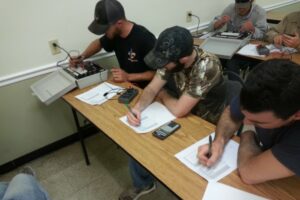
There exists a common misconception that experimental results inherently validate themselves; however, the credibility of these outcomes is deeply rooted in the quality and calibration of the instruments employed. Therefore, it is vital to incorporate comprehensive instrumentation training within scientific education. Equipping emerging scientists with a solid understanding of their tools not only enhances their ability to conduct precise experiments but also empowers them to innovate and troubleshoot effectively. This foundational knowledge is crucial for fostering a new generation of researchers capable of advancing scientific frontiers.
Adaptation to Technological Advances
The rapid pace of technological progress demands continuous evolution in instrumentation. Emerging fields such as nanotechnology require instruments capable of operating at atomic and molecular scales, highlighting the need for adaptable and sophisticated tools. This dynamic relationship between technological innovation and instrumentation ensures that researchers remain equipped to address novel scientific questions and challenges, maintaining the momentum of discovery and exploration.
Challenges Associated with Advanced Instrumentation
While advanced instruments offer unprecedented capabilities, their complexity often introduces challenges related to user proficiency. The sophisticated nature of modern equipment can present steep learning curves, potentially limiting researchers’ ability to fully exploit these technologies. To address this, educational institutions and research organizations must prioritize comprehensive training programs that cover both operational skills and the fundamental principles underlying the instruments. Such initiatives are essential for maximizing the effectiveness of scientific research and preparing scientists to navigate the evolving instrumentation landscape.
Conclusion: The Central Role of Instrumentation in Scientific Progress
Instrumentation is integral to the fabric of scientific research, underpinning accuracy, fostering innovation, enabling interdisciplinary collaboration, safeguarding data integrity, and adapting to future technological demands. Far from being mere tools, instruments are vital partners in the quest for knowledge, embodying the curiosity and ingenuity that propel human advancement. Recognizing and investing in the development and understanding of instrumentation is therefore crucial for shaping the future of research and expanding our comprehension of the natural world.
FAQ
What is instrumentation?
Instrumentation encompasses the tools and techniques used to measure and observe variables in scientific experiments.
Why is instrumentation important in research?
It ensures accuracy in data collection, drives innovation, and supports interdisciplinary collaboration.
What are some examples of scientific instruments?
Examples include spectrometers, chromatographs, and electron microscopes.

Leave a Reply