
Short Answer
Definition of Flow Measurement in Fluids
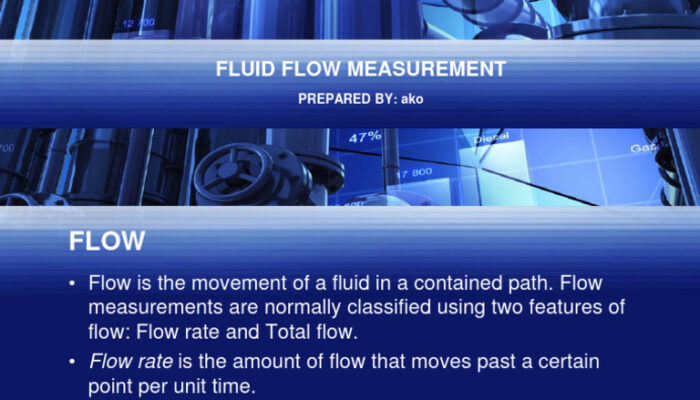
Flow measurement refers to the precise quantification of the movement of fluids, encompassing both the volume and velocity at which liquids or gases travel through a system. This measurement is fundamental across numerous disciplines, including engineering, environmental science, healthcare, and economics, serving as a cornerstone for understanding and managing fluid behavior in practical and theoretical contexts.
Significance in Engineering and Environmental Sustainability
In engineering, accurate flow measurement is indispensable for designing and optimizing hydraulic and chemical systems. Engineers depend on reliable flow data to enhance system efficiency, forecast performance, and reduce risks associated with fluid transport. Beyond operational benefits, flow measurement plays a pivotal role in promoting environmental sustainability. By fine-tuning flow rates, industries can lower energy consumption, minimize waste generation, and reduce their ecological impact, positioning flow measurement as a critical instrument for responsible resource management and environmental stewardship.
Role in Safety Across Various Industries
Flow measurement is integral to maintaining safety standards in sectors such as oil and gas, pharmaceuticals, and food and beverage production. Inaccurate flow readings can lead to severe consequences, including hazardous leaks and operational failures. For example, in the oil and gas industry, even slight discrepancies in flow rates may cause environmental disasters and substantial financial losses. Implementing precise flow measurement technologies thus enhances safety protocols, protecting both human lives and ecosystems.
Application in Scientific Research and Experimental Validation
Within research fields like experimental physics and material science, flow measurement is essential for validating theoretical models of fluid dynamics. Accurate data on fluid behavior, including density changes and viscosity, supports the development of new technologies and materials. This interplay between empirical measurement and theoretical inquiry drives continuous innovation, highlighting the symbiotic relationship between experimental practice and scientific advancement.
Medical Importance of Fluid Flow Measurement
In healthcare, monitoring the flow of bodily fluids such as blood is critical for diagnosis and treatment. Devices like flowmeters and Doppler ultrasound instruments provide real-time, precise measurements that inform clinical decisions and improve patient outcomes. These medical technologies underscore the vital role of flow measurement in safeguarding human health and advancing medical science.
Economic Impact and Regulatory Compliance
Accurate flow measurement is crucial for businesses involved in fluid transport and processing, directly affecting profitability and regulatory adherence. Companies must comply with strict governmental standards to avoid penalties and operational disruptions. Reliable flow data enables organizations to optimize processes, reduce costs, and maintain competitive advantages, making flow measurement a key factor in economic efficiency and legal compliance.
Technological Innovations Enhancing Flow Measurement
Emerging technologies such as the Internet of Things (IoT) and machine learning are transforming traditional flow measurement methods. These advancements facilitate dynamic, real-time data analysis, improving decision-making accuracy and predictive capabilities. The integration of intelligent algorithms with flow measurement systems allows industries to proactively manage fluid dynamics, anticipate potential issues, and respond swiftly to changing conditions.
Educational Importance and Future Perspectives
As fluid systems grow increasingly complex, education in flow measurement becomes essential for training the next generation of engineers, scientists, and technologists. Curricula that emphasize hands-on experience and theoretical understanding of flow principles prepare students to address contemporary challenges effectively. Cultivating expertise in flow measurement is vital for fostering innovation and sustaining progress in various industrial and research domains.
Summary: The Multifaceted Importance of Flow Measurement
Flow measurement transcends simple data collection, encompassing critical aspects of safety, sustainability, economic viability, healthcare, and education. Its multifaceted role enriches the understanding of fluid dynamics and inspires ongoing inquiry among professionals and academics. In facing modern societal and industrial challenges, flow measurement stands as an essential tool driving innovation, efficiency, and responsible management of fluid systems worldwide.
FAQ
What is flow measurement?
Flow measurement quantifies the movement of liquids or gases through a system, focusing on volume and velocity.
Why is flow measurement important in engineering?
It is crucial for optimizing systems, forecasting performance, and ensuring operational safety.
How does flow measurement contribute to environmental sustainability?
By optimizing flow rates, industries can reduce energy consumption and minimize waste.
What role does flow measurement play in healthcare?
It is vital for monitoring bodily fluids, aiding in diagnostics and treatment.



Leave a Reply