
Short Answer
Definition of Diodes and True Lasers
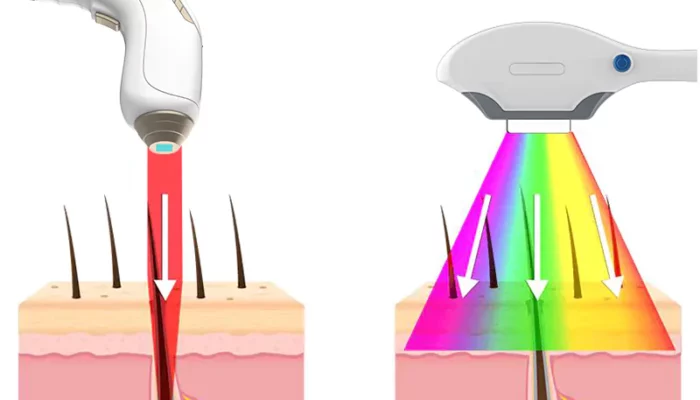
Light-emitting devices such as diodes and lasers are fundamental components in modern photonics, yet they differ significantly in their light generation mechanisms and output characteristics. A diode, specifically a light-emitting diode (LED), produces light through electroluminescence, emitting photons in a broad spectrum with low coherence. In contrast, a true laser generates light via stimulated emission, producing a highly coherent, monochromatic, and directional beam. Understanding these distinctions is essential for appreciating their varied applications and technological impacts.
Fundamental Principles of Light Emission
Light, a form of electromagnetic radiation visible to the human eye, can be characterized by properties such as coherence, wavelength purity (monochromaticity), and directionality. These attributes depend on the behavior of photons, the elementary particles of light. The manner in which photons are generated and organized within a device determines whether the emitted light is diffuse or focused, incoherent or coherent.
How Light-Emitting Diodes (LEDs) Function
LEDs operate on the principle of electroluminescence, where an electric current passing through a semiconductor causes electrons to recombine with holes, releasing energy as photons. This emission process is spontaneous and random, resulting in light that is generally broad-spectrum and incoherent.
- Emission Characteristics:
The light produced by LEDs covers a range of wavelengths, making it polychromatic and less intense compared to laser light. - Light Distribution:
Due to the random nature of photon emission, LED light is diffuse and lacks a focused beam, which suits applications requiring widespread illumination.
Mechanism Behind True Lasers
True lasers rely on the phenomenon of stimulated emission, where an incoming photon prompts excited atoms or molecules in a gain medium to emit additional photons that are identical in phase, frequency, and direction. This process results in a beam of light that is highly coherent and monochromatic.
- Gain Medium:
The core of a laser system, which can be gaseous, liquid, or solid, is energized by an external pump source to achieve population inversion necessary for stimulated emission. - Optical Resonator:
Typically composed of mirrors, this structure amplifies light by reflecting photons back and forth through the gain medium, enhancing coherence and intensity.
Coherence and Monochromaticity Explained
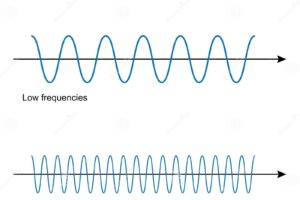
Coherence refers to the fixed phase relationship between light waves over time and space, while monochromaticity describes light consisting of a single wavelength or color.
- LED Light:
Exhibits low coherence with photons emitted randomly, leading to rapid phase variation and a broad spectral output. - Laser Light:
Displays high coherence with photons synchronized in phase and wavelength, producing a narrow, intense beam suitable for precision tasks.
Applications: Divergent Uses of Diodes and Lasers
The distinct properties of LEDs and lasers dictate their practical applications across various fields.
- LED Applications:
Ideal for general illumination, indicator lights, and display technologies due to their energy efficiency and broad light dispersion. - Laser Applications:
Employed in precision-demanding fields such as industrial cutting, medical surgeries, fiber optic communications, and scientific research, where focused, coherent light is crucial.
Energy Efficiency and Performance Comparison
Both LEDs and lasers demonstrate unique energy profiles aligned with their functions.
- LED Efficiency:
Known for converting a high percentage of electrical energy into visible light with minimal heat loss, LEDs offer long operational lifespans and low maintenance. - Laser Efficiency:
Although generally less energy-efficient than LEDs, lasers provide unmatched power density and precision, justifying their higher energy consumption in specialized applications.
Common Misconceptions About Diodes and Lasers
All diodes emit laser light.
Most diodes emit incoherent light (LEDs), while only specially designed laser diodes produce coherent laser light.
Lasers are always more energy-efficient than LEDs.
LEDs typically consume less power and convert energy more efficiently, whereas lasers prioritize beam quality and intensity over efficiency.
Significance in Technology and Daily Life
The differentiation between diodes and true lasers is pivotal in shaping modern technology. LEDs have revolutionized energy-efficient lighting and displays, contributing to sustainability and cost savings. Lasers, with their precision and power, enable advancements in manufacturing, medicine, and communications, driving innovation and enhancing quality of life.
Future Perspectives in Light-Emitting Technologies
As research progresses, the boundaries between diode and laser technologies continue to blur, with developments such as laser diodes and advanced LED materials enhancing performance. Emerging applications in quantum computing, high-resolution imaging, and environmental sensing promise to leverage the unique strengths of both light sources, heralding a new era of photonic innovation.
FAQ
What is the main difference between a diode and a laser?
The main difference lies in their light generation mechanisms: diodes emit light through electroluminescence, resulting in incoherent light, while lasers generate light via stimulated emission, producing coherent and monochromatic light.
Are all diodes lasers?
No, most diodes, such as LEDs, emit incoherent light, whereas only specially designed laser diodes produce coherent laser light.
Which is more energy-efficient, LEDs or lasers?
LEDs are typically more energy-efficient than lasers, converting a higher percentage of electrical energy into visible light.




Leave a Reply