

Short Answer
Definition of Process Instrumentation
Process instrumentation refers to the comprehensive field involving the use of specialized devices and systems to measure, monitor, and control various physical parameters within industrial processes. It integrates principles from engineering, physics, and technology to collect quantitative data essential for managing operations in sectors such as manufacturing, oil and gas, pharmaceuticals, and food production. The primary objective of process instrumentation is to enhance process efficiency, ensure safety, and maintain product quality by providing accurate and timely information about critical variables.
Core Components and Their Functions
At the heart of process instrumentation lies a diverse array of instruments designed to detect and regulate key process variables. These variables typically include pressure, temperature, flow rate, and level, each playing a crucial role in maintaining operational standards and preventing deviations that could lead to inefficiencies or hazards.
- Measurement Devices:
These include sensors, transducers, and analyzers that detect and quantify physical parameters. They serve as the primary data sources for process monitoring. - Control Devices:
Actuators and controllers fall under this category, responsible for adjusting process conditions based on feedback from measurement devices, thereby enabling automated regulation.
Measurement Technologies in Process Instrumentation
Pressure Measurement
Pressure sensors are among the most widely used instruments in industrial settings. They employ various technologies such as piezoresistive, capacitive, and optical methods to accurately measure system pressure. Precise pressure monitoring is vital to prevent overpressure scenarios that could cause equipment damage or safety incidents.
Temperature Measurement
Temperature sensors, including thermocouples and resistance temperature detectors (RTDs), provide real-time data critical for controlling reaction rates, product quality, and energy consumption. Effective temperature monitoring ensures processes operate within optimal thermal ranges, reducing waste and improving efficiency.
Flow Measurement
Flow meters utilize techniques like electromagnetic and ultrasonic measurement to track fluid movement within pipelines and systems. Accurate flow data supports inventory management, quality assurance, and regulatory compliance, especially when handling hazardous materials.
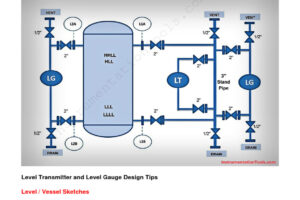
Level Measurement
Level sensors, such as ultrasonic, capacitive, and hydrostatic pressure devices, monitor the volume of substances in tanks, silos, and containers. These measurements help prevent overflows, optimize resource use, and streamline supply chain operations.
Integration of Smart Technologies and Automation
The advent of the Internet of Things (IoT) has revolutionized process instrumentation by enabling seamless connectivity and real-time data exchange among instruments. This connectivity facilitates remote monitoring and predictive maintenance, allowing industries to anticipate equipment failures and reduce downtime. Automation driven by smart instrumentation enhances process control, operational reliability, and cost efficiency.
Applications and Industry Significance
Process instrumentation is indispensable across various industries for ensuring compliance with quality standards and regulatory requirements. In the pharmaceutical sector, for instance, precise instrumentation is critical for adhering to stringent manufacturing guidelines, thereby protecting public health and maintaining consumer confidence. Similarly, in oil and gas or food processing, instrumentation safeguards operational integrity and product consistency.
Academic and Theoretical Perspectives
The study of process instrumentation offers rich opportunities for interdisciplinary research, encompassing mathematical modeling of instrument behavior, exploration of autonomous control systems, and analysis of the physical principles underlying measurement techniques. This academic inquiry contributes to advancements in system dynamics, statistical process control, and the optimization of industrial processes.
Why Process Instrumentation Is Essential
Process instrumentation forms the backbone of modern industrial operations by enabling precise measurement, effective control, and enhanced safety. Its role in optimizing production, minimizing risks, and supporting technological innovation is critical as industries evolve with digital transformation and automation. A deep understanding of process instrumentation not only drives operational excellence but also fosters resilience and adaptability in complex industrial environments.
FAQ
What is process instrumentation?
It refers to the use of specialized devices to measure and control physical parameters in industrial processes.
What are the core components of process instrumentation?
Core components include measurement devices like sensors and control devices like actuators.
What industries utilize process instrumentation?
It is used in manufacturing, oil and gas, pharmaceuticals, and food production.

Leave a Reply