
Short Answer
Definition of Electronic Measurement and Instrumentation
Electronic measurement and instrumentation refer to the interdisciplinary field combining physics, engineering, and technology to precisely quantify and analyze physical phenomena. This area involves the use of specialized devices and techniques to measure various parameters such as voltage, current, resistance, frequency, temperature, and pressure. The accurate acquisition and interpretation of these measurements are fundamental to scientific research, industrial processes, and everyday technological applications.
Fundamental Concepts
Understanding Measurement
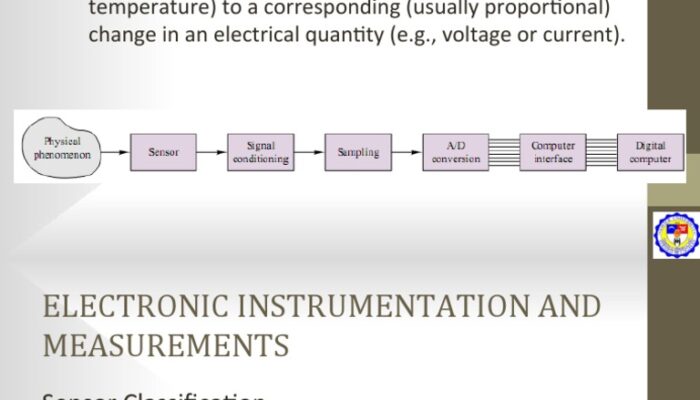
Measurement is the systematic process of assigning numerical values to physical quantities, enabling objective evaluation and comparison. Electronic instrumentation employs electronic components and systems designed to perform these measurements with high accuracy. Key elements include sensors and transducers that convert physical signals into electrical signals, which are then processed and displayed by electronic circuits.
Categories of Electronic Measurements
Electronic measurements can be categorized based on the physical property being assessed, each serving distinct roles across various fields:
- Voltage and Current Measurement:
Devices such as voltmeters and ammeters measure electrical potential difference and current flow. Digital multimeters, capable of measuring multiple parameters, are widely used for their versatility. Advanced instruments can capture transient electrical phenomena, providing deeper insights into circuit behavior. - Resistance and Capacitance Measurement:
Ohmmeters and capacitance meters evaluate the resistance and capacitance of circuit components, essential for verifying component functionality and energy storage characteristics. - Frequency Measurement:
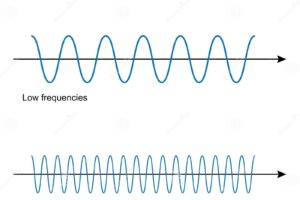
Frequency counters and spectrum analyzers analyze periodic signals, crucial for maintaining signal integrity in communication systems and radio-frequency applications. - Temperature Measurement:
Sensors like thermocouples and Resistance Temperature Detectors (RTDs) monitor temperature variations, vital for industrial control, environmental monitoring, and material testing. - Pressure Measurement:
Instruments such as manometers, piezoelectric sensors, and strain gauge transducers measure pressure changes, important in fluid dynamics, aerodynamics, and medical devices.
Advanced Instrumentation Techniques
Technological progress has introduced sophisticated methods that enhance measurement accuracy and data analysis capabilities. Digital signal processing (DSP) and data logging technologies enable the capture and examination of high-frequency signals with exceptional precision. These advancements facilitate complex analyses that were previously unattainable.
Integrated Instrumentation Systems
Modern instrumentation often combines multiple measurement devices into comprehensive systems using data acquisition (DAQ) tools. These systems collect, process, and analyze data in real time, improving operational efficiency and safety in sectors such as manufacturing, healthcare, and environmental monitoring.
Smart Instrumentation and Emerging Trends
The integration of artificial intelligence (AI) and the Internet of Things (IoT) has revolutionized traditional measurement approaches. Smart instrumentation systems enable sensors to communicate with centralized platforms, allowing instantaneous data processing and decision-making. This evolution supports adaptive and responsive systems in smart grids, automated industries, and beyond.
Educational and Practical Aspects
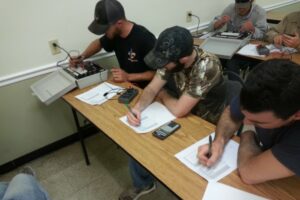
Academic programs in instrumentation provide students with both theoretical knowledge and practical skills in designing, calibrating, and applying measurement systems. Hands-on training in data interpretation and system calibration prepares future engineers and scientists to address modern technological challenges effectively.
The Importance of Calibration
Calibration is a critical process that ensures measurement instruments maintain accuracy and consistency over time. Without proper calibration, measurements can become unreliable, potentially leading to hazardous outcomes in sensitive fields such as aerospace, pharmaceuticals, and environmental science. Adhering to strict calibration standards guarantees the dependability of measurement results.
Significance of Electronic Measurement and Instrumentation
The field of electronic measurement and instrumentation is indispensable in advancing scientific knowledge and technological innovation. Accurate measurement underpins the development, testing, and optimization of electronic systems and devices. As technology evolves, the role of precise instrumentation becomes increasingly vital in enabling breakthroughs across industries, enhancing safety, and improving quality of life.
Real-World Applications
- Industrial Automation:
Real-time monitoring of electrical parameters and environmental conditions ensures efficient and safe manufacturing processes. - Telecommunications:
Frequency and signal integrity measurements maintain the reliability of communication networks. - Healthcare:
Precise temperature and pressure measurements are critical in medical diagnostics and treatment devices. - Environmental Monitoring:
Sensors track temperature and pressure changes to study climate patterns and pollution levels.
Common Misconceptions
Electronic measurements are always perfectly accurate.
All measurement systems have inherent uncertainties; calibration and proper technique are essential to minimize errors.
Digital instruments are always superior to analog ones.
While digital devices offer versatility and precision, analog instruments can be preferable in certain applications due to their simplicity and response characteristics.
Frequently Asked Questions (FAQ)
What does electronic measurement and instrumentation involve?
It involves using electronic devices and systems to accurately quantify physical quantities for analysis and interpretation.
Which types of measurements are most common in electronic instrumentation?
Common measurements include voltage, current, resistance, capacitance, frequency, temperature, and pressure.
Why is calibration essential in measurement systems?
Calibration ensures instruments provide reliable and consistent results, which is crucial for safety and accuracy in many applications.
How are modern technologies influencing electronic instrumentation?
Technologies like digital signal processing, data logging, AI, and IoT enhance measurement precision, enable real-time monitoring, and support adaptive systems.
FAQ
What is electronic measurement and instrumentation?
It is the practice of using electronic devices and systems to accurately measure various physical quantities for analysis and interpretation.
What are common types of electronic measurements?
Common types include voltage and current measurement, resistance and capacitance measurement, frequency measurement, temperature measurement, and pressure measurement.
Why is calibration important in instrumentation?
Calibration ensures that instruments provide accurate and consistent measurements over time, which is critical for reliability and safety in many applications.
How is technology advancing electronic instrumentation?
Advancements such as digital signal processing, data logging, AI integration, and IoT are enhancing precision, real-time monitoring, and adaptive measurement systems.

Leave a Reply