
Short Answer
Definition of a Transmitter in Instrumentation
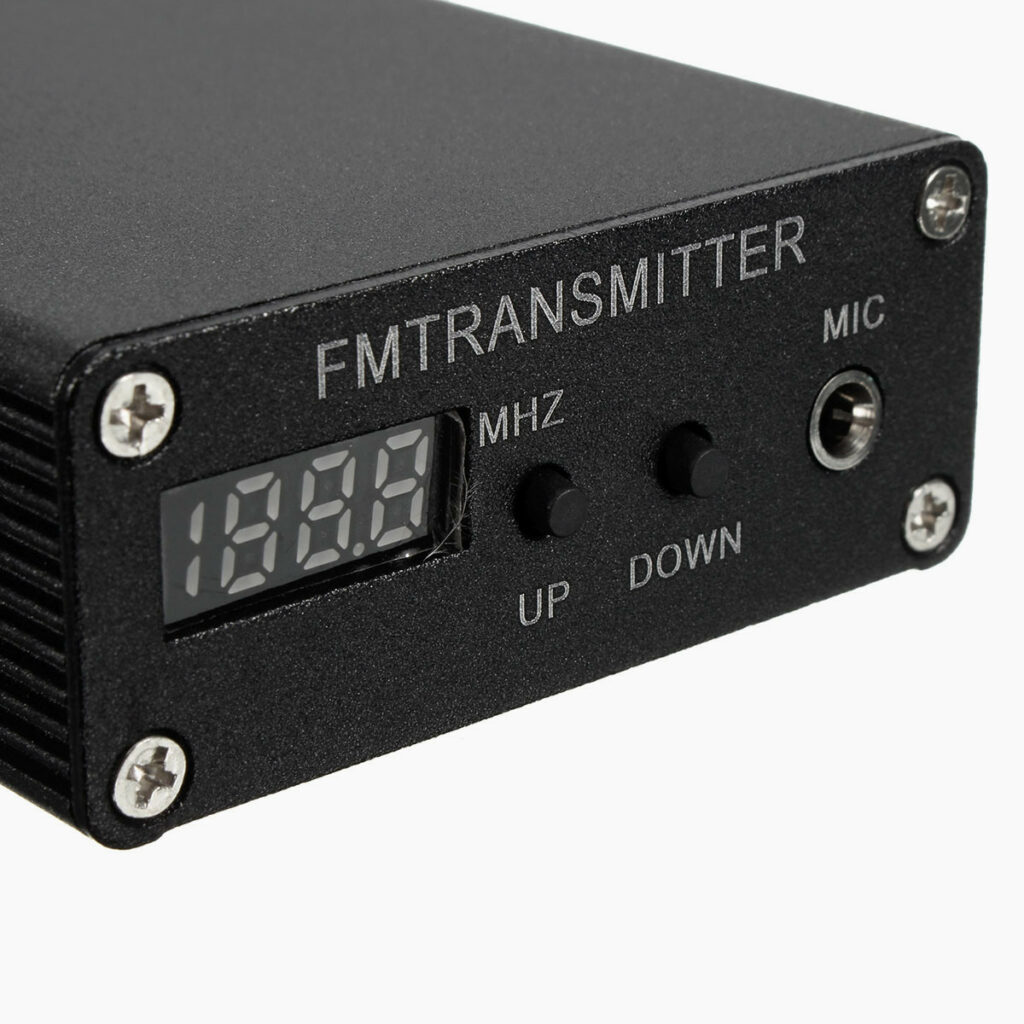
A transmitter is a fundamental device in instrumentation that enables the transfer of data from sensors to display or processing units. It acts as a crucial intermediary, converting physical measurements-such as temperature, pressure, or flow-into signals that can be interpreted and analyzed. This conversion process involves sophisticated engineering and physical principles, making the transmitter an essential component in various technological systems.
Types of Transmitters and Signal Generation
Transmitters can be classified based on the nature of the signals they produce:
- Analog Transmitters:
These devices generate continuous signals that directly correspond to the measured physical parameters, providing a smooth and uninterrupted representation of data. - Digital Transmitters:
These convert physical measurements into discrete digital signals, which facilitate enhanced data processing, error correction, and reliable transmission over extended distances.
The selection between analog and digital transmitters significantly impacts the precision, dependability, and efficiency of data communication within instrumentation systems.
Signal Conditioning: Enhancing Data Quality
Before transmission, raw sensor outputs often undergo signal conditioning to improve their usability and accuracy. This process includes:
- Amplification:
Increasing the signal strength to ensure it can travel long distances without significant loss or distortion. - Filtering:
Eliminating noise and unwanted interference to improve the clarity and reliability of the signal. - Multiplexing:
Combining multiple sensor signals into a single transmission channel, optimizing resource use and maintaining signal integrity in multi-sensor environments.
Operational Range and Transmission Mediums
The effective range of a transmitter depends on several factors, including the operating frequency and the transmission medium. In industrial settings, radio frequency (RF) transmitters are commonly employed due to their ability to propagate electromagnetic waves efficiently. Optimal performance often requires line-of-sight placement of transmitters and receivers to minimize obstructions and maximize signal strength.
Applications Across Industries
Environmental Monitoring
Transmitters play a vital role in collecting data on atmospheric conditions such as humidity, temperature, and air quality. This information supports climate research, pollution control, and urban development planning.
Petrochemical Industry
Pressure and temperature transmitters are indispensable for real-time monitoring of hazardous environments, ensuring operational safety and process efficiency.
Telecommunications
Transmitters enable long-distance communication by encoding information onto carrier waves through modulation techniques. Common methods include Frequency Shift Keying (FSK) and Phase Shift Keying (PSK), which alter the carrier wave’s amplitude, frequency, or phase to represent data.
Wireless Transmitters and the Internet of Things (IoT)
The rise of wireless transmitters has revolutionized data transmission by offering flexibility and ease of installation. Integration with IoT networks allows devices to communicate seamlessly, generating valuable data streams. However, this connectivity also raises concerns about data security, signal integrity, and privacy, prompting ongoing discussions about ethical and technical safeguards.
Challenges in Transmitter Technology
One significant challenge is multi-path propagation, where transmitted signals reflect off surfaces and interfere with each other, causing data degradation or loss. To address this, engineers develop advanced algorithms and signal processing techniques aimed at mitigating interference and enhancing transmission reliability in complex environments.
Future Trends and Innovations
Advancements in nanotechnology and materials science are driving the miniaturization and improved efficiency of transmitters. Emerging fields like quantum communication promise transmitters capable of unprecedented security and speed, potentially transforming data transmission paradigms. These developments underscore the ongoing quest to merge theoretical insights with practical applications in instrumentation technology.
Significance of Transmitters in Modern Technology
Transmitters are more than mere data conduits; they embody the intersection of scientific theory, engineering innovation, and practical utility. Their role spans diverse sectors, from environmental science to telecommunications, underpinning critical processes and enabling technological progress. As transmitter technology evolves, it continues to be a cornerstone in the advancement of instrumentation and data communication systems.
FAQ
What is a transmitter in instrumentation?
A transmitter is a device that converts sensor data into signals that can be displayed or processed, facilitating communication between sensors and control systems.
Why are digital transmitters preferred over analog in some cases?
Digital transmitters provide more robust data transmission, better noise resistance, and support for complex data manipulation over long distances.
How do transmitters contribute to environmental monitoring?
Transmitters collect data on atmospheric conditions such as humidity and air quality, aiding climate studies and urban planning.
What is multi-path propagation and how does it affect transmitters?
Multi-path propagation occurs when signals reflect off surfaces causing interference and signal degradation, leading to data loss or corruption.
What future technologies could influence transmitter development?
Advancements in nanotechnology, materials science, and quantum communication are expected to enhance transmitter miniaturization, efficiency, and security.


Leave a Reply