
Short Answer
Definition of Lasers
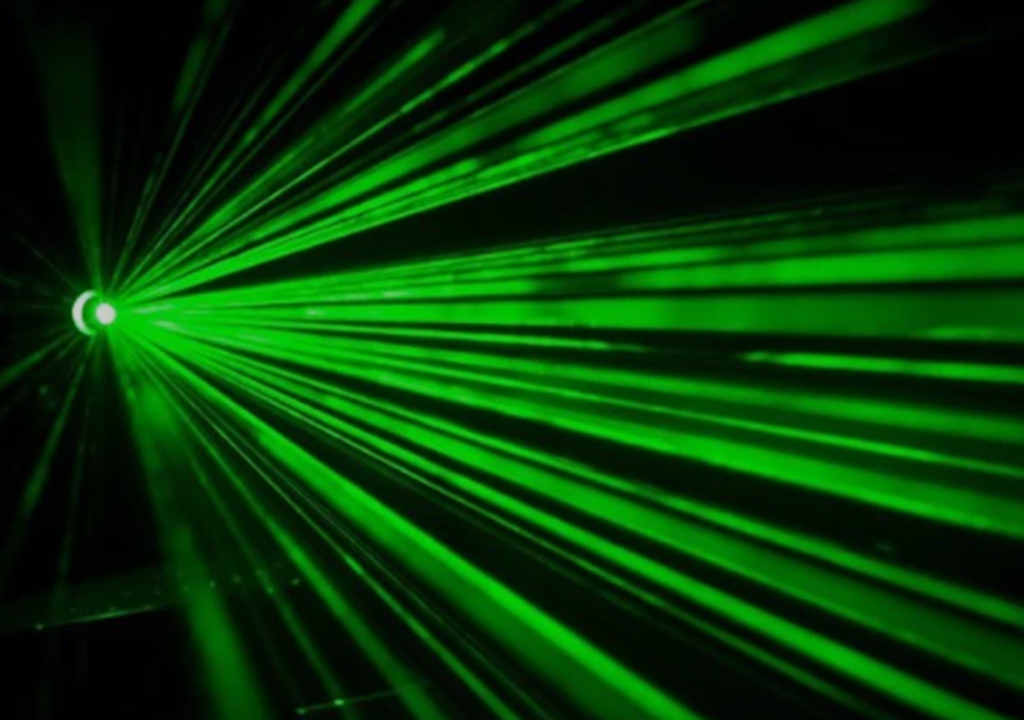
Lasers, an acronym for Light Amplification by Stimulated Emission of Radiation, are devices that emit highly focused beams of coherent light. Initially developed for scientific exploration, lasers have evolved into versatile instruments integral to numerous fields. Their unique ability to produce intense, precise light beams underpins a wide array of applications, reflecting both technological advancement and societal progress.
Medical Applications of Lasers
Lasers have profoundly transformed the medical landscape, offering enhanced precision and minimally invasive treatment options. Their use spans surgical procedures, diagnostic techniques, and therapeutic interventions.
- Ophthalmology:
Procedures like LASIK utilize laser technology to reshape the cornea, correcting vision impairments with greater accuracy and shorter recovery periods compared to traditional surgery. - Dermatology:
Techniques such as laser hair removal and skin resurfacing employ selective photothermolysis, targeting specific skin tissues while sparing surrounding areas, thereby improving cosmetic outcomes and patient comfort.
The integration of lasers in medicine not only enhances treatment efficacy but also supports a cultural shift towards non-invasive and outpatient procedures.
Lasers in Communication Technologies
The advent of lasers has revolutionized telecommunications, particularly through fiber optic systems. These systems use laser light to transmit data over long distances with minimal loss, leveraging the principle of total internal reflection within optical fibers.
- Fiber Optic Communication:
Laser-generated light pulses carry vast amounts of information rapidly and reliably, enabling high-speed internet and global connectivity. - Impact on Society:
The seamless and instantaneous data transfer facilitated by lasers underpins modern communication networks, supporting everything from personal communication to large-scale data centers.
Industrial Applications: Enhancing Precision and Productivity
In manufacturing and industrial processes, lasers provide unmatched accuracy and efficiency. Their capabilities extend to cutting, engraving, welding, and additive manufacturing.
- Manufacturing:
Lasers enable precise shaping and joining of metals, essential in automotive and aerospace industries where intricate component fabrication is critical. - 3D Printing:
Laser-based additive manufacturing fuses materials layer by layer, allowing the creation of complex structures and customized products such as medical implants and aerospace parts.
This technological integration fosters innovation by combining engineering precision with creative design possibilities.
Scientific Research and Exploration
Lasers serve as indispensable tools in scientific investigations, facilitating breakthroughs across various disciplines.
- Spectroscopy:
Laser light helps analyze the composition of distant stars and planets, expanding our understanding of the cosmos. - Quantum Mechanics:
By exciting atoms and molecules, lasers enable detailed studies of matter at the quantum level, advancing fundamental physics.
Their ability to probe otherwise inaccessible phenomena continues to drive curiosity and discovery in science.
Entertainment and Artistic Uses
Beyond practical applications, lasers enrich the entertainment industry by creating captivating visual effects.
- Light Shows:
Concerts, theater performances, and exhibitions utilize laser displays to produce immersive and dynamic experiences. - Artistic Expression:
The manipulation of laser light allows artists to transform spaces and evoke emotional responses, blending technology with creativity.
This fusion of art and science highlights lasers’ unique role in enhancing cultural and sensory experiences.
Military and Defense Applications
Lasers have become critical assets in modern defense strategies, offering precision and rapid response capabilities.
- Targeting Systems:
Laser designators improve accuracy in identifying and engaging targets, reducing collateral damage. - Directed Energy Weapons:
Emerging laser weaponry represents a shift towards advanced, non-kinetic defense technologies.
While these applications enhance security, they also raise ethical considerations regarding the deployment and potential misuse of laser technologies in warfare.
Common Misconceptions About Lasers
Lasers are only used in scientific laboratories.
Lasers have widespread applications across medicine, industry, communication, entertainment, and defense.
All lasers are dangerous and harmful.
While some high-powered lasers require caution, many are safely used in medical treatments and consumer devices.
Why Lasers Are Important
Lasers play a pivotal role in advancing technology and improving quality of life. Their precision and versatility enable innovations in healthcare, communication, manufacturing, scientific research, and entertainment. By facilitating faster data transmission, less invasive medical procedures, and new forms of artistic expression, lasers contribute significantly to societal development and technological progress. As research continues, their potential to unlock new frontiers remains vast, symbolizing the transformative power of light.
FAQ
What are the main applications of lasers?
Lasers are used in medicine, telecommunications, manufacturing, scientific research, entertainment, and military applications.
Are lasers safe to use?
While some high-powered lasers can be dangerous, many lasers are used safely in various applications, including medical procedures.





Leave a Reply