
Short Answer
Definition
Spain is a nation renowned for its vibrant cultural heritage and historical significance, having introduced a wide array of inventions that have left a lasting impact globally. These innovations span multiple fields including science, technology, the arts, medicine, gastronomy, and sports, reflecting the country’s rich tradition of creativity and intellectual advancement.
Scientific and Technological Contributions
Refinement of the Astrolabe
While the astrolabe originated in ancient civilizations, it was significantly enhanced in medieval Spain. Spanish astronomers improved this instrument, which was essential for navigation and astronomical observations. The refined astrolabe played a crucial role during the Age of Exploration, enabling European explorers to navigate unknown seas with greater precision and expand their territories worldwide.
Development of the Modern Submarine
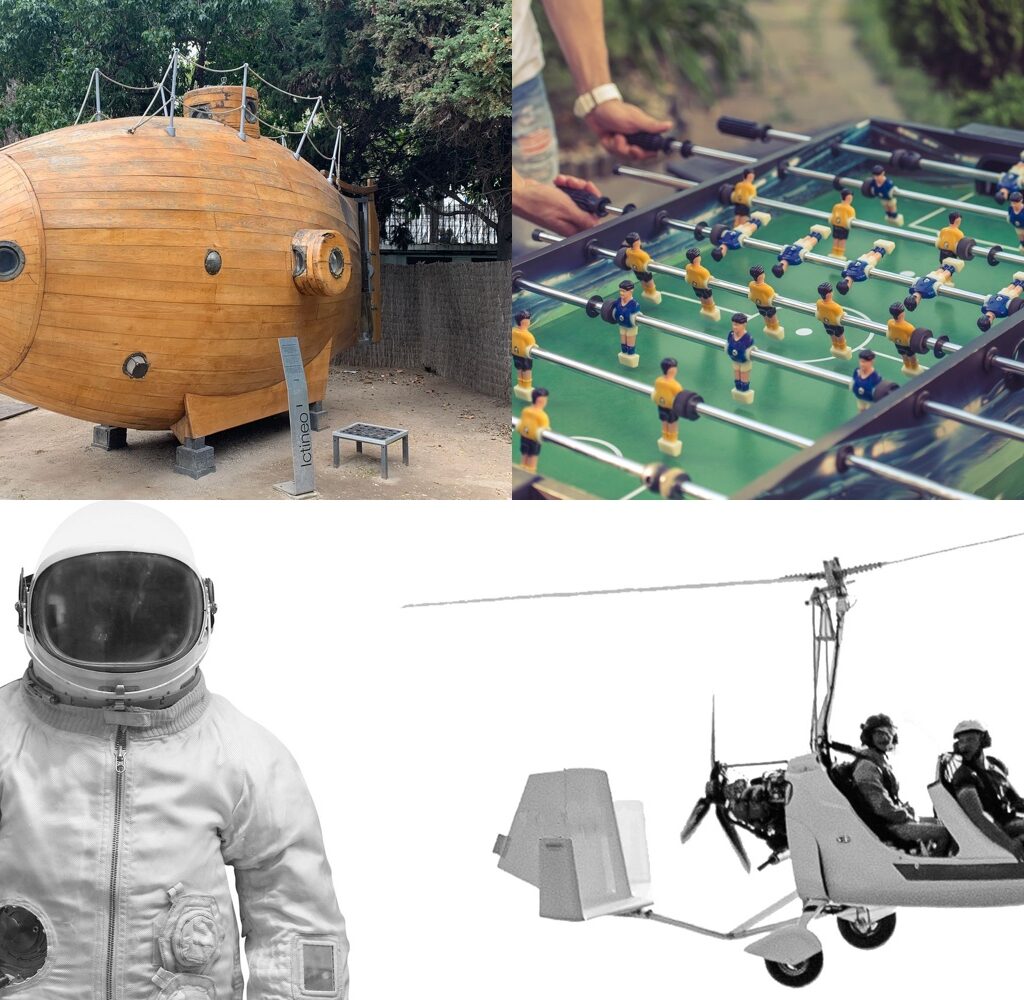
In the 19th century, Spanish inventor Narcís Monturiol pioneered the creation of the first operational submarine, known as the Ictineo. This groundbreaking invention marked a major milestone in underwater technology, influencing future advancements in marine exploration and naval warfare.
Early Mechanical Calculator
Pedro Juan de Alcaraz, a Spanish engineer and mathematician, invented a mechanical calculator in the late 1600s. This device was designed to simplify complex mathematical computations, representing an early step toward the development of modern computational tools and significantly impacting engineering and scientific calculations.
Innovations in Arts and Culture
The Spanish Guitar
The Spanish guitar, originating in the 15th century, is one of Spain’s most iconic musical inventions. This string instrument evolved over centuries and became central to musical styles such as flamenco and classical music. Its expressive sound and versatility have influenced musicians worldwide, making it a symbol of Spanish cultural identity.
Chiaroscuro Painting Technique
During the Spanish Renaissance, artists developed the chiaroscuro technique, which uses stark contrasts between light and shadow to create depth and dramatic effect in paintings. Masters like Diego Velázquez and Francisco Goya employed this method, which later inspired numerous European art movements and remains a fundamental artistic approach.
Medical Innovations
Foundations of Modern Psychiatry
Juan Huarte de San Juan, a 16th-century Spanish physician and philosopher, is credited with laying the groundwork for modern psychiatry. His influential work, “Examen de ingenios para las ciencias,” explored the psychological basis of human behavior and emphasized the importance of mental health, shaping future psychiatric thought and practice.
Invention of the Forearm Crutch
In the late 19th century, Spanish surgeon Juan de Dios Huarte designed the forearm crutch, a mobility aid that significantly improved the independence and quality of life for individuals with physical disabilities. This innovation continues to influence the design of assistive devices today.
Gastronomic Contributions
Paella: Spain’s Signature Dish
Originating from Valencia, paella is a celebrated Spanish culinary invention characterized by saffron-flavored rice combined with a variety of ingredients such as seafood, vegetables, and meats. This dish not only exemplifies Spain’s rich gastronomic tradition but also fosters communal dining experiences, symbolizing cultural unity.
Churros: A Beloved Pastry
Although churros have roots in European pastry traditions, the Spanish adaptation popularized this fried dough treat, often enjoyed with thick hot chocolate. This simple yet flavorful dessert highlights Spain’s culinary creativity and has become a cherished snack worldwide.
Influence on Sports and Recreation
Spain has played a pivotal role in shaping modern team sports, particularly football (soccer) and basketball, emphasizing collective strategy and teamwork. The Spanish football league, La Liga, is internationally recognized for its high level of competition and has contributed to the global popularity of the sport, fostering cultural exchange and unity through athletic events.
Common Misconceptions
The astrolabe was invented in Spain.
The astrolabe originated in ancient civilizations but was significantly refined and improved in Spain during the Middle Ages.
Churros are originally Spanish.
While churros have European origins, the distinctive Spanish version popularized the treat globally.
Why Spanish Inventions Matter
Spain’s diverse inventions have profoundly influenced various aspects of human knowledge and culture. From enhancing navigation and scientific tools to enriching artistic expression and improving medical care, these contributions have shaped global progress. Spanish culinary innovations continue to delight palates worldwide, while the country’s impact on sports fosters international camaraderie. Collectively, these achievements underscore Spain’s enduring legacy of innovation and cultural significance.
FAQ
What are some notable inventions from Spain?
Notable Spanish inventions include the refinement of the astrolabe, the creation of the first operational submarine (Ictineo), the early mechanical calculator, the Spanish guitar, chiaroscuro painting technique, foundations of modern psychiatry, the forearm crutch, and culinary dishes like paella and churros.
Did Spain invent the astrolabe?
Spain did not invent the astrolabe; it originated in ancient civilizations. However, Spanish astronomers significantly refined and improved the astrolabe during the Middle Ages.
Who invented the first operational submarine?
Spanish inventor Narcís Monturiol pioneered the first operational submarine, called the Ictineo, in the 19th century.
What is the significance of the Spanish guitar?
The Spanish guitar, originating in the 15th century, is a central instrument in musical styles like flamenco and classical music, symbolizing Spanish cultural identity and influencing musicians worldwide.
Are churros originally from Spain?
While churros have European origins, the Spanish version popularized the treat globally and is a beloved pastry in Spanish cuisine.





Leave a Reply