
Short Answer
Definition of Light Energy
Light energy is a form of electromagnetic radiation that is essential across multiple scientific fields, including physics and environmental science. It encompasses the visible spectrum of electromagnetic waves and plays a pivotal role in natural processes such as photosynthesis, as well as in technological applications like solar power generation. Understanding the origins and types of light energy sources is fundamental for both scientific inquiry and practical use.
Categories of Light Energy Sources
Natural Origins of Light Energy
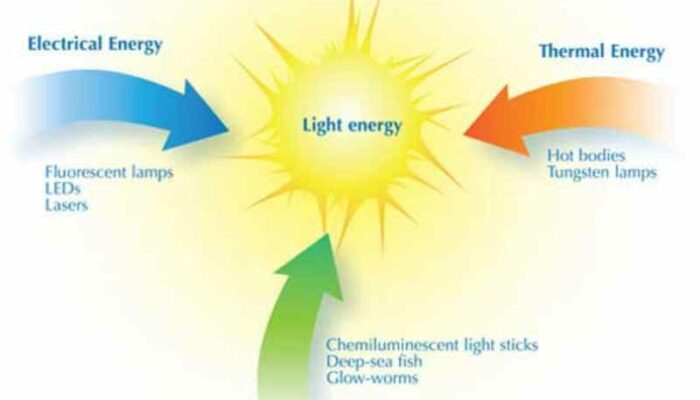
Natural light sources primarily arise from celestial bodies and geological or biological phenomena that emit or reflect light. The sun is the most significant natural source, acting as a colossal nuclear fusion reactor that emits vast amounts of energy across the electromagnetic spectrum. Visible light constitutes only a small portion of this emission but is crucial for life on Earth.
Sunlight drives photosynthesis, a process by which plants convert light into chemical energy, forming the foundation of most food chains and ecosystems. Beyond solar radiation, other natural light sources include combustion-based fire and bioluminescence. Fire produces light through chemical reactions that release energy stored in organic matter, while bioluminescence is a biological phenomenon where living organisms such as certain fungi, insects, and marine species generate light via enzymatic chemical reactions within their cells.
Man-Made Sources of Light Energy
Artificial light sources are human-engineered devices designed to produce light efficiently and controllably. The invention of the electric bulb revolutionized lighting by enabling artificial illumination independent of natural light. Incandescent bulbs generate light by heating a filament until it glows, whereas fluorescent and LED technologies employ more advanced principles.
Fluorescent lamps operate by exciting gas molecules to emit ultraviolet light, which then stimulates a phosphor coating inside the bulb to emit visible light. This method is more energy-efficient than incandescent bulbs and is widely used in homes and businesses. Light-emitting diodes (LEDs) represent the forefront of artificial lighting technology, converting electrical energy directly into visible light with minimal heat loss. Their durability and efficiency have made LEDs the preferred choice for modern lighting solutions.
Laser technology exemplifies a sophisticated form of artificial light, producing coherent and highly focused beams through stimulated emission. Lasers have transformed fields such as medicine, telecommunications, and manufacturing by enabling precise control over light energy.
Electromagnetic Spectrum and Light Energy
The electromagnetic spectrum (EMS) is a continuous range of electromagnetic waves varying in wavelength and frequency, from gamma rays to radio waves. Light energy is most commonly associated with the visible segment of this spectrum, but many light sources emit radiation beyond visible wavelengths.
- Ultraviolet (UV) Light:
Emitted by the sun, UV light influences biological processes like Vitamin D synthesis and can cause material degradation through photolysis. - Infrared Radiation:
Produced by thermal sources, infrared waves are utilized in technologies such as thermal imaging and night vision devices.
Comprehending the full electromagnetic spectrum enhances our understanding of how different light sources contribute to natural phenomena and technological applications, fostering innovations in photonics and optical communication.
Technological Advances in Harnessing Light Energy
The growing emphasis on renewable energy has accelerated the development of technologies that capture and convert light energy efficiently. Photovoltaic (PV) cells, integral to solar panels, transform sunlight directly into electrical energy through the photovoltaic effect. This process involves semiconductor materials that generate electric current when exposed to light.
Another approach, concentrated solar power (CSP), uses mirrors or lenses to focus sunlight onto a small area, producing heat that generates steam to drive turbines for electricity production. CSP exemplifies large-scale solar energy utilization, complementing PV technology in sustainable energy strategies.
Emerging Trends and Future Prospects
As the global energy paradigm shifts, research into alternative light energy sources is gaining momentum. Bio-inspired innovations aim to replicate natural photosynthesis artificially, converting sunlight, water, and carbon dioxide into energy-rich compounds. This artificial photosynthesis holds promise for sustainable fuel production.
Nanotechnology advancements are also paving the way for ultrathin, highly efficient solar cells that could be integrated into various surfaces and devices. These cutting-edge developments have the potential to expand the role of light energy in everyday life, reducing environmental impact and promoting green energy solutions.
Common Misconceptions About Light Energy
Light energy only refers to visible light.
Light energy encompasses the entire electromagnetic spectrum, including ultraviolet, infrared, and other wavelengths beyond visible light.
Artificial light sources are less efficient than natural light.
Modern artificial lighting technologies, such as LEDs, can be more energy-efficient and longer-lasting than relying solely on natural light.
Significance of Light Energy
Light energy is indispensable in both natural ecosystems and human technology. It sustains life through photosynthesis, supports ecological balance, and drives numerous technological innovations that improve quality of life. Harnessing light energy efficiently is critical for advancing renewable energy solutions, reducing carbon emissions, and fostering sustainable development worldwide.
FAQ
What are the main sources of light energy?
The main sources include the sun, fire, bioluminescence, incandescent bulbs, and LEDs.
How does light energy affect ecosystems?
Light energy sustains life through photosynthesis and supports ecological balance.
What is the electromagnetic spectrum?
The electromagnetic spectrum encompasses all types of electromagnetic radiation, including visible light.


Leave a Reply