
Short Answer
Definition of Biodiversity
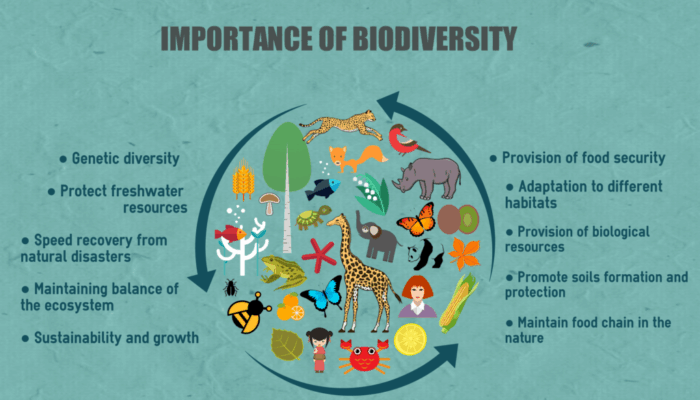
Biodiversity refers to the vast variety of life forms on Earth, encompassing the diversity of species, their genetic differences, and the ecosystems they inhabit. It represents the intricate network of living organisms and their interactions, forming the foundation of ecological balance. This diversity is essential for maintaining the environmental systems that support life, providing numerous ecological services vital to the planet’s health and human survival.
Fundamental Roles of Biodiversity in Ecosystems
Enhancement of Ecosystem Functions
Biodiversity plays a crucial role in ensuring ecosystems operate effectively, much like a well-coordinated orchestra where each participant contributes uniquely yet harmoniously. From microscopic bacteria to giant trees, every organism participates in processes such as nutrient cycling, pollination, and food production. For example, plants absorb carbon dioxide and release oxygen, forming the base of food chains, while herbivores maintain plant diversity through grazing, and predators keep herbivore populations in check. These interactions create a balanced and dynamic system essential for sustaining life.
Ecological Resilience and Stability
Serving as nature’s buffer, biodiversity enhances the resilience of ecosystems against environmental challenges. Similar to how a diversified investment portfolio reduces financial risk, a wide range of species strengthens ecosystems’ ability to withstand and recover from disturbances like climate change, diseases, and habitat loss. For instance, coral reefs with a rich variety of marine life recover more rapidly from bleaching events compared to less diverse reefs. This resilience is increasingly vital as human activities continue to impact natural habitats.
Biodiversity’s Role in Climate Regulation
Biodiversity significantly contributes to regulating the Earth’s climate. Ecosystems such as forests, wetlands, and grasslands act as major carbon sinks by absorbing carbon dioxide, thereby mitigating global warming. Diverse plant communities, such as mixed-species forests, are more efficient at sequestering carbon than monocultures. The complex interactions between plants and animals within these habitats help maintain climate stability, highlighting biodiversity’s critical influence on global environmental health.
Pollination and Food Security
Pollination is a vital ecological service heavily dependent on biodiversity. Many staple crops rely on pollinators like bees, butterflies, birds, and bats for reproduction. The decline of these pollinator populations threatens global food production and security. Protecting and fostering diverse habitats supports these essential species, which in turn enhances crop yields and promotes nutritional diversity, underscoring biodiversity’s indispensable role in agriculture.
Soil Biodiversity and Fertility
The importance of biodiversity extends beneath the surface, where a rich community of microorganisms, fungi, and invertebrates maintains soil health and fertility. These organisms break down organic matter, recycle nutrients, and form humus, which supports plant growth. The functional diversity of soil life ensures nutrient availability and robust vegetation, sustaining terrestrial ecosystems and agricultural productivity that feed billions worldwide.
Interconnection Between Ecosystem Services and Human Well-Being
Biodiversity’s benefits go beyond ecological functions, directly impacting human health and livelihoods. Ecosystem services such as clean air and water, medicinal resources, and recreational opportunities depend on healthy, diverse ecosystems. The loss of biodiversity threatens these services, jeopardizing socio-economic stability and the quality of life for communities reliant on natural resources.
Cultural and Aesthetic Importance of Biodiversity
Beyond practical benefits, biodiversity enriches human culture and provides aesthetic value. Diverse species inspire art, literature, and traditions, fostering a sense of identity and connection to nature. Indigenous peoples often hold deep ecological knowledge rooted in their interactions with local biodiversity. This intrinsic value promotes a sense of responsibility and ethical stewardship to protect the myriad life forms sharing our planet.
Global Conservation Efforts and Challenges
In today’s interconnected world, biodiversity loss has far-reaching consequences across ecosystems and nations. Protecting biodiversity requires international cooperation and integrated conservation strategies. Efforts include establishing protected areas, creating biodiversity corridors, and promoting sustainable resource use. Global agreements like the Convention on Biological Diversity emphasize conserving biological diversity, sustainable utilization, and fair sharing of genetic resource benefits. These initiatives highlight the necessity of balancing ecological preservation with human development goals.
Conclusion: The Imperative to Preserve Biodiversity
In essence, biodiversity forms a complex and interdependent web that sustains life on Earth. Recognizing its value is fundamental to maintaining ecological health, ensuring food security, and enhancing human well-being. Humanity holds the responsibility to safeguard this rich tapestry of life for future generations. Immediate and sustained action is essential to foster environments where biodiversity thrives, securing the foundation of our existence and the planet’s future.
FAQ
What is biodiversity?
Biodiversity refers to the variety of life on Earth, including different species, genetic variations, and ecosystems.
Why is biodiversity important?
Biodiversity is essential for ecosystem functionality, climate regulation, food security, and overall human well-being.
How does biodiversity impact climate change?
Biodiversity helps regulate the climate by acting as carbon sinks and maintaining ecosystem resilience against climate-related disruptions.





Leave a Reply