
Short Answer
Definition of Particle Accelerator Hazards
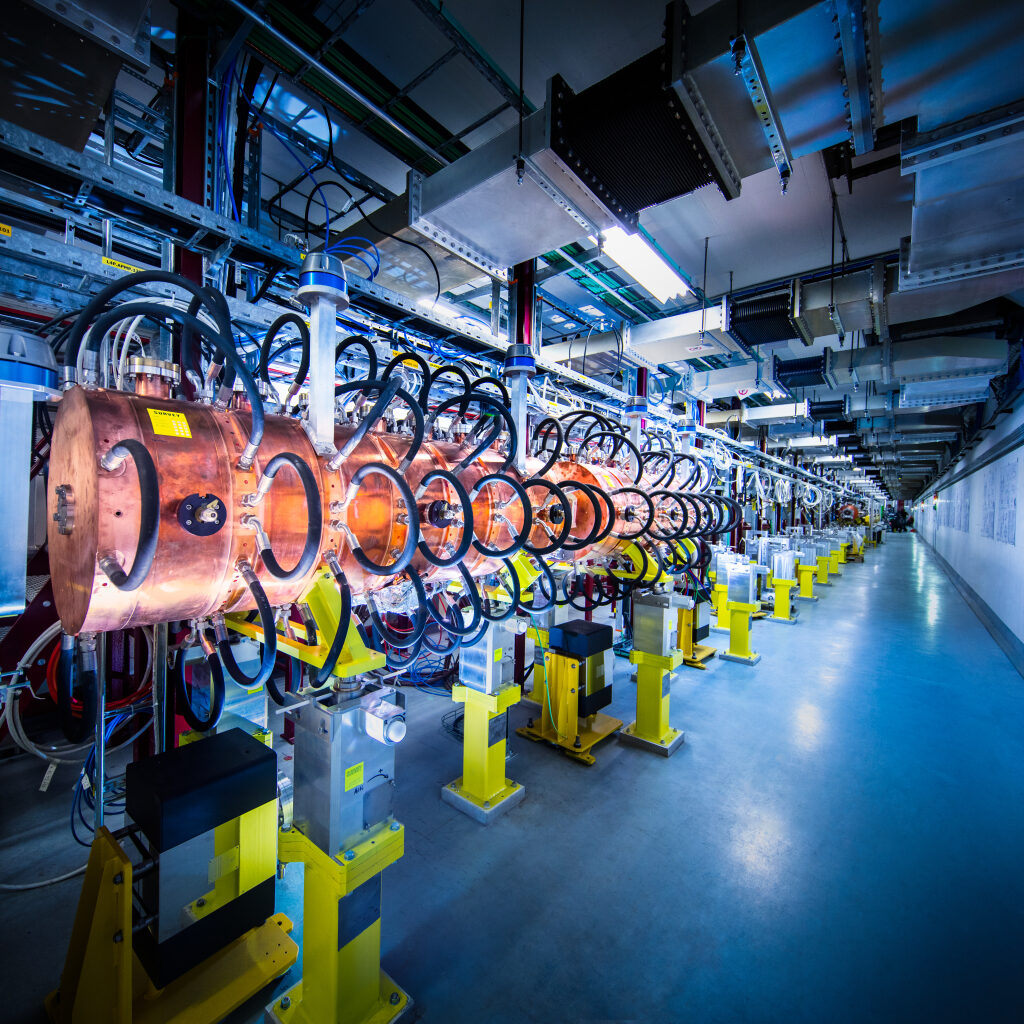
Particle accelerators, such as those at CERN and Fermilab, are advanced scientific instruments designed to propel charged particles to near-light speeds and collide them to explore the fundamental components of matter. While these machines have revolutionized our understanding of physics, they also present a variety of risks. These hazards stem from radiation exposure, mechanical system failures, environmental impacts, and ethical challenges linked to the nature of high-energy experiments.
Radiation Risks Associated with Particle Accelerators
One of the foremost dangers posed by particle accelerators is radiation exposure. The high-speed collisions of particles generate ionizing radiation, which can be harmful to both humans and the environment if not properly contained. Accelerator facilities employ extensive shielding-using dense materials like lead and concrete-to reduce radiation levels within operational areas. Despite these precautions, accidental exposure remains a concern, particularly for personnel working in close proximity or for nearby communities in the event of an emergency.
- Primary Radiation:
Direct ionizing radiation produced during particle collisions. - Secondary Particles:
High-energy collisions can create secondary particles such as muons and neutrons, which require additional containment measures.
Strict regulatory frameworks and continuous safety assessments are essential to minimize these radiation hazards and protect public health.
Mechanical and Technical Failures
Particle accelerators rely on complex machinery, including superconducting magnets, vacuum chambers, and cryogenic systems. Failures in any of these components can lead to operational disruptions or even hazardous incidents. For example, the 2008 Large Hadron Collider (LHC) shutdown was triggered by a faulty electrical connection, illustrating the vulnerability of these intricate systems. Mechanical breakdowns can also cause leaks of hazardous materials or structural damage, posing risks to both staff and the environment.
Environmental Impact of Accelerator Operations
The operation of particle accelerators demands substantial energy, often sourced from fossil fuels, contributing to environmental concerns such as carbon emissions and climate change. Additionally, the management of radioactive waste generated during experiments requires careful handling and long-term storage solutions to prevent ecological contamination. These factors highlight the need for sustainable practices and environmental responsibility in accelerator research.
Ethical Considerations in High-Energy Physics Research
Beyond physical risks, particle accelerator experiments raise profound ethical questions. Scientists must consider the potential unintended consequences of manipulating fundamental forces or creating exotic forms of matter. Although theoretical scenarios involving phenomena like micro black holes or vacuum decay are highly speculative and extremely unlikely, they underscore the importance of cautious scientific inquiry. Ethical stewardship involves balancing the pursuit of knowledge with the responsibility to avoid existential risks.
Geopolitical and Social Dimensions
Particle accelerator facilities often operate within complex international frameworks, requiring cooperation among multiple countries. While this fosters scientific collaboration and diplomacy, it can also lead to disputes over funding, research priorities, and environmental regulations. Public scrutiny of these large-scale projects raises questions about the allocation of resources, especially when global challenges such as healthcare and climate change demand attention. Transparent governance and ethical management are crucial to maintaining public trust and ensuring equitable scientific progress.
Public Perception and Scientific Responsibility
The fascination with particle accelerators and their groundbreaking discoveries, such as the Higgs boson, can sometimes overshadow the discussion of associated risks. It is vital to engage the public in informed conversations about both the benefits and dangers of high-energy physics research. Promoting awareness fosters a culture of responsibility and helps society understand the importance of safety measures and ethical considerations in scientific exploration.
Summary: Balancing Innovation and Safety
Particle accelerators are indispensable tools for advancing our understanding of the universe, yet they come with inherent risks that must be carefully managed. Radiation exposure, mechanical failures, environmental impacts, and ethical dilemmas all require ongoing vigilance and proactive strategies. By prioritizing safety protocols, environmental sustainability, ethical reflection, and public engagement, the scientific community can responsibly harness the power of particle accelerators while minimizing potential hazards.
FAQ
What are the main dangers of particle accelerators?
The main dangers include radiation exposure, mechanical failures, environmental impacts, and ethical concerns.
How does radiation from particle accelerators affect the environment?
Radiation can be harmful if not properly contained, necessitating extensive safety measures and monitoring.
What ethical issues are associated with high-energy physics research?
Ethical issues include the potential unintended consequences of creating exotic forms of matter and balancing scientific inquiry with public safety.






Leave a Reply