
Short Answer
Definition of Nanomaterial Fabrication
Nanomaterial fabrication encompasses the diverse set of methods used to create materials with dimensions on the nanometer scale, typically between 1 and 100 nanometers. These materials exhibit unique physical, chemical, and biological properties due to their reduced size and high surface area-to-volume ratio. The fabrication process is crucial as it directly influences the structural characteristics and functional capabilities of nanomaterials, which find applications in electronics, medicine, energy, and beyond.
Primary Fabrication Strategies
Top-Down Fabrication Techniques
Top-down approaches start with bulk materials and systematically reduce their size to the nanoscale through various subtractive processes. Rooted in traditional microfabrication, these methods are widely employed in producing nano-electromechanical systems (NEMS) and nanoscale electronic devices.
- Lithography:
This technique uses patterned exposure to light or electrons to transfer intricate designs onto substrates coated with sensitive films. Photolithography employs ultraviolet light to create circuit patterns but is limited by the wavelength of light, restricting resolution. Electron beam lithography (EBL), by contrast, uses a focused electron beam to achieve resolutions below 10 nanometers, enabling fabrication of highly precise nanostructures such as quantum dots. - Mechanical Milling and Etching:
These processes involve physically or chemically removing material to sculpt nanoscale features. Dry etching and reactive ion etching (RIE) are prominent methods that allow the creation of high aspect-ratio nanostructures with controlled geometries.
Bottom-Up Fabrication Techniques
Bottom-up methods build nanomaterials atom-by-atom or molecule-by-molecule, relying on chemical and physical interactions to assemble structures from the ground up. This approach emphasizes self-assembly and molecular synthesis, offering precise control over composition and morphology.
- Sol-Gel Processing:
This technique transforms liquid precursors into solid nanomaterials through hydrolysis and condensation reactions, producing nanoparticles and porous films. It is versatile for fabricating ceramics and metal oxides, with tunable properties influenced by parameters such as pH, temperature, and precursor chemistry. - Chemical Vapor Deposition (CVD):
CVD involves the chemical reaction of vapor-phase precursors on heated substrates to deposit thin films. It is instrumental in synthesizing high-purity materials like graphene and carbon nanotubes, which exhibit exceptional electrical, thermal, and mechanical properties essential for nanoelectronics and composite materials.
Hybrid Fabrication Approaches
Combining the strengths of both top-down and bottom-up methods, hybrid techniques enable the creation of nanomaterials with enhanced complexity and functionality. These approaches integrate precise patterning with molecular self-assembly to fabricate sophisticated nanostructures.
- Nanolithography:
This method merges lithographic patterning with molecular assembly, allowing the construction of complex nanoscale architectures with high precision. - Template-Assisted Synthesis:
Utilizing pre-formed nanostructured templates as molds, this technique guides material deposition to replicate desired geometries, improving structural fidelity and performance.
Innovative and Emerging Fabrication Methods
Advancements in nanotechnology continuously inspire novel fabrication techniques that push the boundaries of material design and sustainability.
- Biotemplating:
This eco-friendly method harnesses biological entities such as bacteria or viruses to direct the formation of nanomaterials. These organisms facilitate mineralization processes that yield nanoscale structures with potential applications in biomedicine due to their inherent biocompatibility. - 3D Nanoprinting:
Additive manufacturing at the nanoscale enables the layer-by-layer construction of complex nanostructures with customizable shapes and functions. This technology opens new possibilities for rapid prototyping and bespoke device fabrication in various fields.
Characterization and Quality Assurance of Nanomaterials
Accurate characterization is essential to verify the structural and functional attributes of nanomaterials, ensuring they meet application-specific standards. As fabrication techniques evolve, so do the analytical tools used to assess nanoscale features.
- Microscopy Techniques:
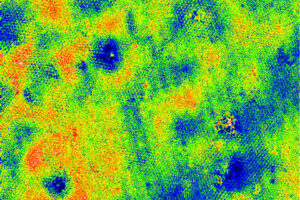
Atomic force microscopy (AFM), scanning electron microscopy (SEM), and transmission electron microscopy (TEM) provide detailed images of surface topography, morphology, and internal structure at the nanoscale. - Spectroscopic Methods:
Raman spectroscopy and other spectroscopic analyses reveal information about electronic states, chemical composition, and molecular bonding within nanomaterials.
Significance of Nanomaterial Fabrication
The ability to fabricate nanomaterials with tailored properties is fundamental to advancing numerous scientific and technological domains. Precise control over nanoscale features enables breakthroughs in electronics, catalysis, drug delivery, energy storage, and environmental remediation. As fabrication methods become more sophisticated, they pave the way for innovative solutions to complex challenges, driving progress in both industry and research.
Summary
The landscape of nanomaterial fabrication is marked by a diverse array of techniques, each contributing unique advantages. Top-down methods offer precision through material removal, bottom-up approaches provide molecular-level assembly, and hybrid strategies combine these strengths for enhanced outcomes. Emerging technologies like biotemplating and 3D nanoprinting further expand the toolkit available to scientists and engineers. Together with advanced characterization techniques, these fabrication methods form the foundation for the continued evolution and application of nanotechnology.
FAQ
What are top-down fabrication techniques?
Top-down techniques reduce bulk materials to nanoscale through subtractive processes, including lithography and etching.
What are bottom-up fabrication techniques?
Bottom-up methods build nanomaterials atom-by-atom or molecule-by-molecule, using chemical and physical interactions.
What is hybrid fabrication?
Hybrid techniques combine top-down and bottom-up methods to create complex nanostructures.



Leave a Reply