
Short Answer
Understanding Waste and Its Categories
Waste refers to any discarded material that is no longer useful or wanted. It encompasses a broad spectrum of substances generated from various sources, including households, industries, and agriculture. The main types of waste include:
- Municipal Solid Waste (MSW):
Everyday refuse produced by residential, commercial, and institutional activities, such as food scraps, packaging, and paper. - Industrial Waste:
Byproducts from manufacturing and industrial processes, including metal scraps, chemical residues, and hazardous materials. - Agricultural Waste:
Organic residues from farming activities, such as crop stalks, manure, and other biodegradable materials.
Waste Management Approaches
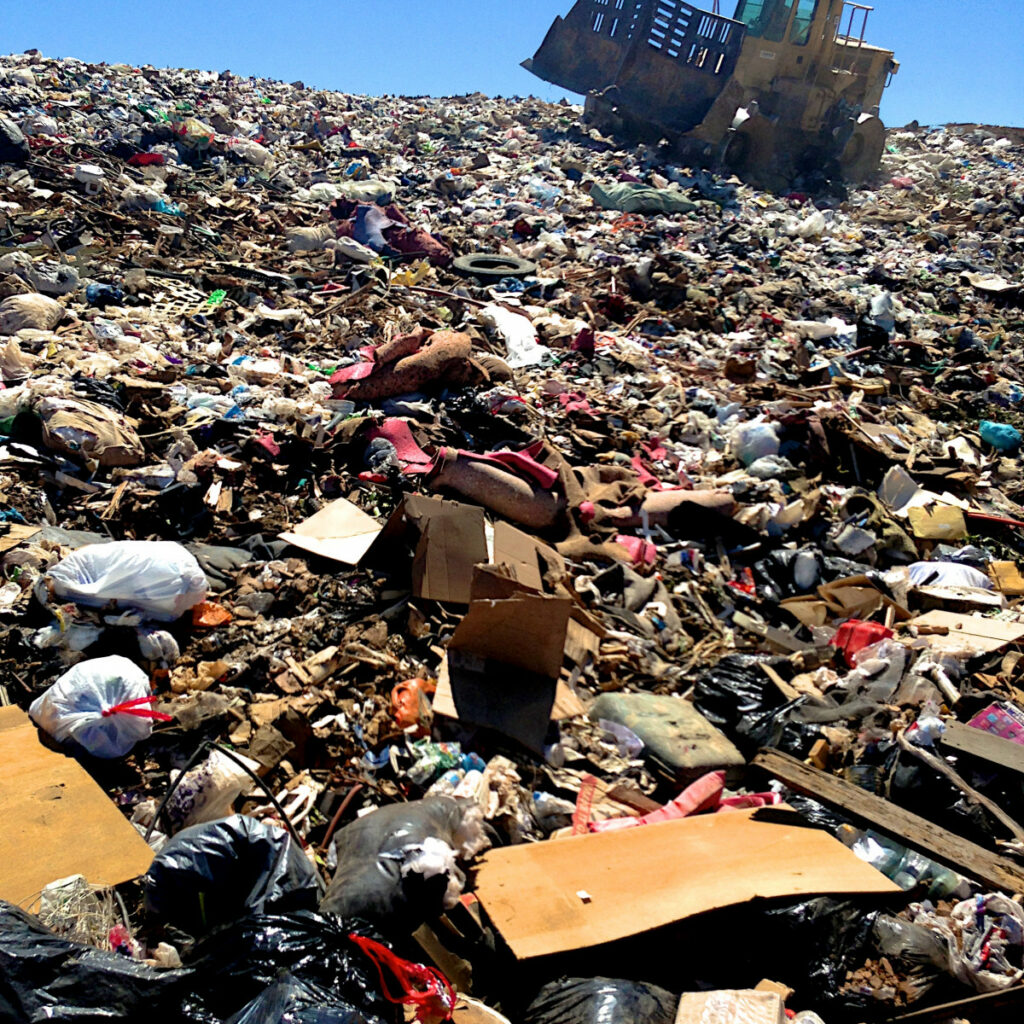
Strategies for handling waste have evolved from simple disposal methods to more sustainable practices aimed at reducing environmental harm. Traditional waste management primarily involved landfilling and incineration, which often resulted in pollution and resource depletion. Modern approaches emphasize the “3Rs”:
- Reduce:
Minimizing the amount of waste generated at the source. - Reuse:
Extending the life of products by repurposing or repairing them. - Recycle:
Processing waste materials to create new products, thereby conserving natural resources.
Scientific Techniques for Waste Transformation
Innovative scientific methods enable the conversion of waste into valuable products, promoting environmental sustainability and economic benefits.
Organic Waste Treatment
Organic waste can be processed through biological methods to produce useful outputs:
- Composting:
An aerobic process where microorganisms break down biodegradable waste into nutrient-rich compost, enhancing soil quality. - Anaerobic Digestion:
Decomposition of organic matter in oxygen-free environments, generating biogas-a renewable energy source-and digestate, which can be used as fertilizer.
Recycling Processes
Recycling involves collecting and reprocessing materials such as metals, plastics, and paper to manufacture new products. This reduces the need for virgin raw materials and lowers environmental impact. Challenges include contamination of recyclables, economic costs, and ensuring public participation. Advances like automated sorting and chemical recycling are improving efficiency and material quality.
Waste-to-Energy Technologies
Waste-to-energy (WtE) methods convert waste into usable energy forms, addressing both waste disposal and energy demands:
- Incineration:
Burning waste at high temperatures to produce electricity and heat, though it raises concerns about emissions and ash disposal. - Gasification:
Heating waste in limited oxygen to produce syngas, which can be used for power generation or as a chemical feedstock. - Pyrolysis:
Thermal decomposition of organic materials in the absence of oxygen, yielding biochar and energy-rich gases.
Valorization of Industrial and Agricultural Waste
Transforming industrial and agricultural byproducts into useful materials supports circular economy principles by reintegrating waste into production cycles.
Industrial Waste Reuse
Industries generate significant waste streams that can be repurposed. For example, fly ash from coal combustion is commonly used as a supplementary material in concrete, improving its strength and reducing landfill disposal.
Agricultural Waste Utilization
Crop residues and animal manure can be converted into biofuels, bioplastics, or soil amendments like biochar, promoting sustainable farming practices and reducing reliance on fossil fuels.
Societal Impact and Behavioral Change
Reframing waste as a resource necessitates shifts in public perception and corporate responsibility. Educational programs are vital in raising awareness about sustainable consumption and proper waste management. Encouraging responsible behavior among consumers and businesses fosters a culture of environmental stewardship.
Challenges in Waste Valorization
- Economic Barriers:
High upfront costs and uncertain market demand can impede the adoption of innovative waste transformation technologies. - Regulatory Limitations:
Existing policies may not adequately support new waste management practices, requiring updates to facilitate integration. - Technological Constraints:
Some processes still face efficiency and scalability issues that need to be addressed through ongoing research.
Significance of Waste Transformation
Converting waste into valuable resources is crucial for environmental protection, resource conservation, and economic development. It reduces landfill use, lowers greenhouse gas emissions, and creates new industries and job opportunities. Embracing these practices is essential for achieving sustainable development goals and fostering a circular economy.
Conclusion: The Future of Waste Management
The paradigm of waste management is shifting from disposal to resource recovery. Through scientific innovation and collaborative efforts among policymakers, industries, and communities, waste can be transformed from an environmental burden into a valuable asset. This transition not only mitigates ecological impacts but also drives economic growth and sustainability, underscoring the importance of recognizing the hidden potential within our discarded materials.
FAQ
What are the main types of waste?
The main types of waste include Municipal Solid Waste (MSW), Industrial Waste, and Agricultural Waste.
What is the significance of waste transformation?
Waste transformation is crucial for environmental protection, resource conservation, and economic development.
What are the 3Rs of waste management?
The 3Rs stand for Reduce, Reuse, and Recycle, emphasizing the minimization of waste generation, extending product life, and processing waste materials.





Leave a Reply