
Short Answer
Understanding Cosmic Imagery
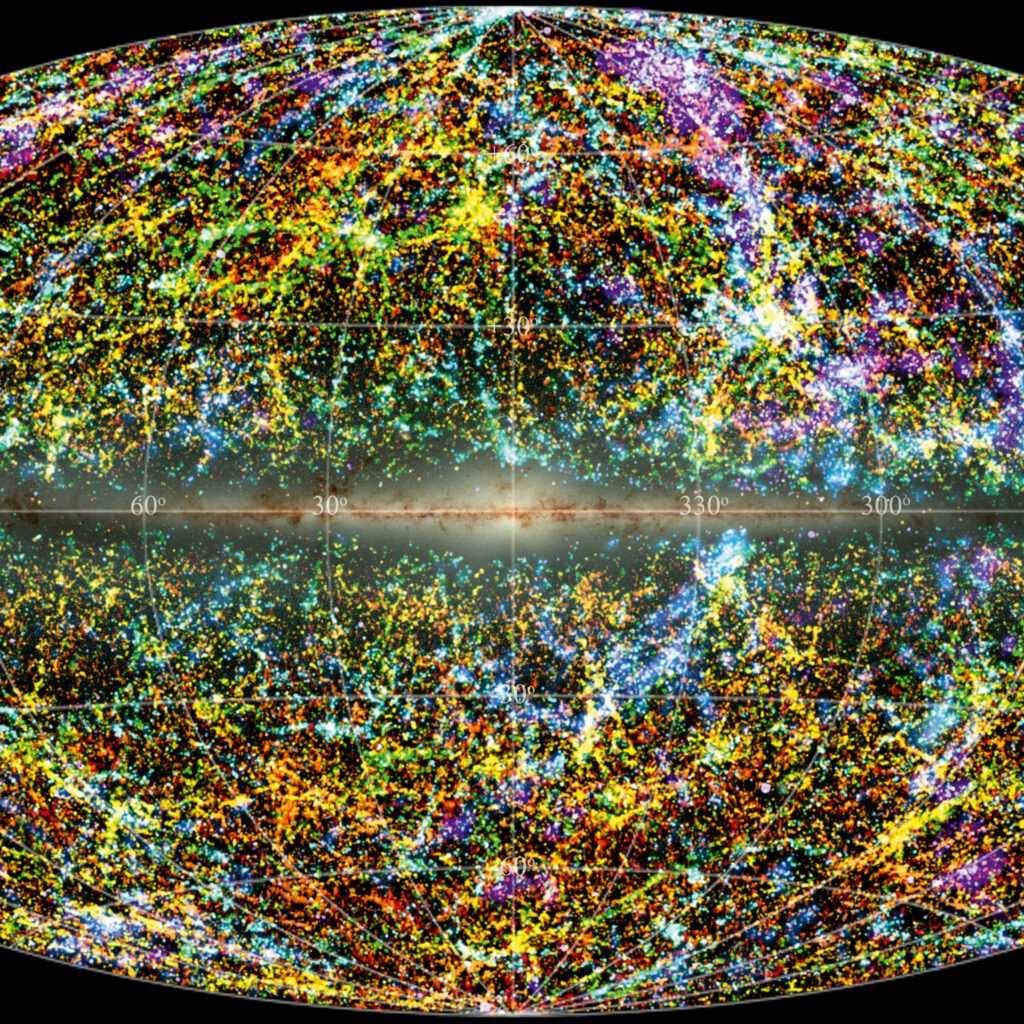
Have you ever reflected on what lies beyond the familiar sparkle of distant stars? Imagine the universe not as a remote, unfathomable expanse but as a vivid, accessible panorama that challenges our perceptions of scale, beauty, and our place within it. Photographs of space do precisely this-they act as portals into the intricate grandeur of the cosmos, encouraging us to rethink how we perceive our celestial environment.
Capturing the Universe: The Intersection of Art and Science
When conventional photography intersects with extraordinary cosmic phenomena, the outcome is transformative. These images unveil celestial formations that transcend ordinary optics-immense nebulas swirling with glowing gases, star clusters radiating the fierce energy of nascent stars, and galaxies extending across unimaginable distances. Each photograph serves as a bridge between the familiar and the mysterious, artistically preserving moments suspended in the vast continuum of time and space.
Exploring Cosmic Scale and Perspective
These images do more than inspire awe; they challenge our understanding of scale. The universe depicted here defies human concepts of size and distance. A single pixel in these photos can represent thousands of light-years, and the interplay of light and shadow narrates tales older than our planet. These visuals become metaphors for the coexistence of the immense and the minuscule, prompting reflection on how such vastness relates to our everyday experiences.
The Beauty and Significance of Nebulae
Consider the delicate splendor of nebulae captured in remarkable detail. These vast clouds of interstellar dust and gas are stellar nurseries where new stars emerge. The photographs reveal wispy filaments of glowing material illuminated by the ultraviolet light of young suns. The layered translucency creates a cosmic palette reminiscent of a painter’s brushstrokes, yet the medium is the scale of the universe and the power of atomic fusion. Nebulae embody the dynamic balance between creation and destruction, destined to collapse or disperse, fueling the birth of new celestial bodies.
Galactic Structures: Complexity on a Grand Scale
Equally mesmerizing are images of galaxies-spiral arms gracefully curling, elliptical galaxies glowing with accumulated starlight, and irregular galaxies engaged in cosmic interactions. These photographs reveal galaxies not as mere distant smudges but as intricate formations of staggering complexity. They capture the rhythmic pulse of the universe, where matter and energy coalesce into patterns spanning billions of years. Observing these images invites contemplation of time itself, intertwined with space in an endless, dynamic dance.
Beyond Visible Light: Revealing the Invisible Cosmos
These cosmic photographs expand our sensory boundaries by depicting phenomena invisible to the naked eye. False-color imaging translates unseen wavelengths into vibrant hues, exposing energetic processes that shape the universe. Emissions in radio waves, X-rays, and infrared light become visible, transforming the cosmos into a radiant tapestry woven from hidden threads. This multidimensional approach broadens our understanding beyond the visible spectrum, encompassing the full electromagnetic symphony that permeates space.
Technological Innovations Behind Cosmic Photography
The creation of these images relies on advanced telescopes equipped with state-of-the-art sensors capable of capturing light that has traveled millions or even billions of years. By integrating data across multiple wavelengths, scientists produce panoramic views that surpass human sensory limitations. This blend of technology and artistry elevates the cosmos from a mere scientific subject to a profound aesthetic experience, fostering a dialogue between human curiosity and the enigmatic vastness of existence.
Philosophical Reflections on Cosmic Imagery
Beyond their visual allure, these images provoke deep philosophical questions about our place in the universe. Gazing into the cosmic depths compels us to confront the immense scale and age of the cosmos, dwarfing the fleeting span of human life. This dual sensation of humility and exhilaration reveals the ongoing narrative of cosmic evolution while unveiling mysteries yet to be solved-such as dark matter, dark energy, and the destiny of black holes. These photographs invite us not only to observe but to wonder and expand the limits of human knowledge and imagination.
Fostering Cosmic Connection and Stewardship
Importantly, these images cultivate a sense of connection rather than isolation. By visualizing the universe’s vastness, they place our planet within a larger cosmic community. Earth emerges not as an isolated speck but as part of a complex, dynamic interstellar network. This shift in perspective encourages a sense of responsibility and stewardship, recognizing that our environment is one facet of a much grander whole that humanity is only beginning to comprehend. Thus, these photographs highlight a profound paradox: the universe’s unfathomable immensity enriches the meaning of our existence.
The Transformative Power of Space Photography
As you engage with these images, you might wonder-can a single photograph truly reshape our cosmic worldview? The answer is both straightforward and nuanced. While a photograph is static, the curiosity and wonder it ignites are dynamic, sparking a lifelong journey of exploration. Each image plants a seed of inquiry, broadening our horizons and bridging the realms of science, art, and philosophy. To look at these photos is to embark on a voyage through time and space that continually redefines our internal understanding of reality.
Conclusion: The Universe as a Living Story
Ultimately, these captivating cosmic images unravel the mysteries of the universe, inviting us to reconsider not only how we perceive the cosmos but also how we view ourselves within it. They reveal that the universe is not a distant backdrop but an active participant in our quest for meaning-a reminder that every point of light and every spiral arm contributes to a grand cosmic symphony. Through these photographs, the universe transforms from an enigmatic mystery into a vibrant, unfolding narrative awaiting discovery.
FAQ
What is the significance of space photography?
Space photography provides visual evidence of cosmic phenomena, helping scientists and the public understand the universe's scale, composition, and evolution.
Which technologies enable capturing space images?
State-of-the-art telescopes equipped with sensors sensitive to various electromagnetic wavelengths, including visible light, X-rays, and infrared, enable capturing detailed cosmic images.
Why are nebulae important in space photography?
Nebulae are stellar nurseries where new stars form; their images reveal processes of star birth and the dynamic balance of cosmic creation and destruction.
How do space photos affect our understanding of the universe?
They challenge human perceptions of scale and time, inspire philosophical reflection on our place in the cosmos, and foster a sense of connection and responsibility toward Earth.


Leave a Reply