
Short Answer
Definition
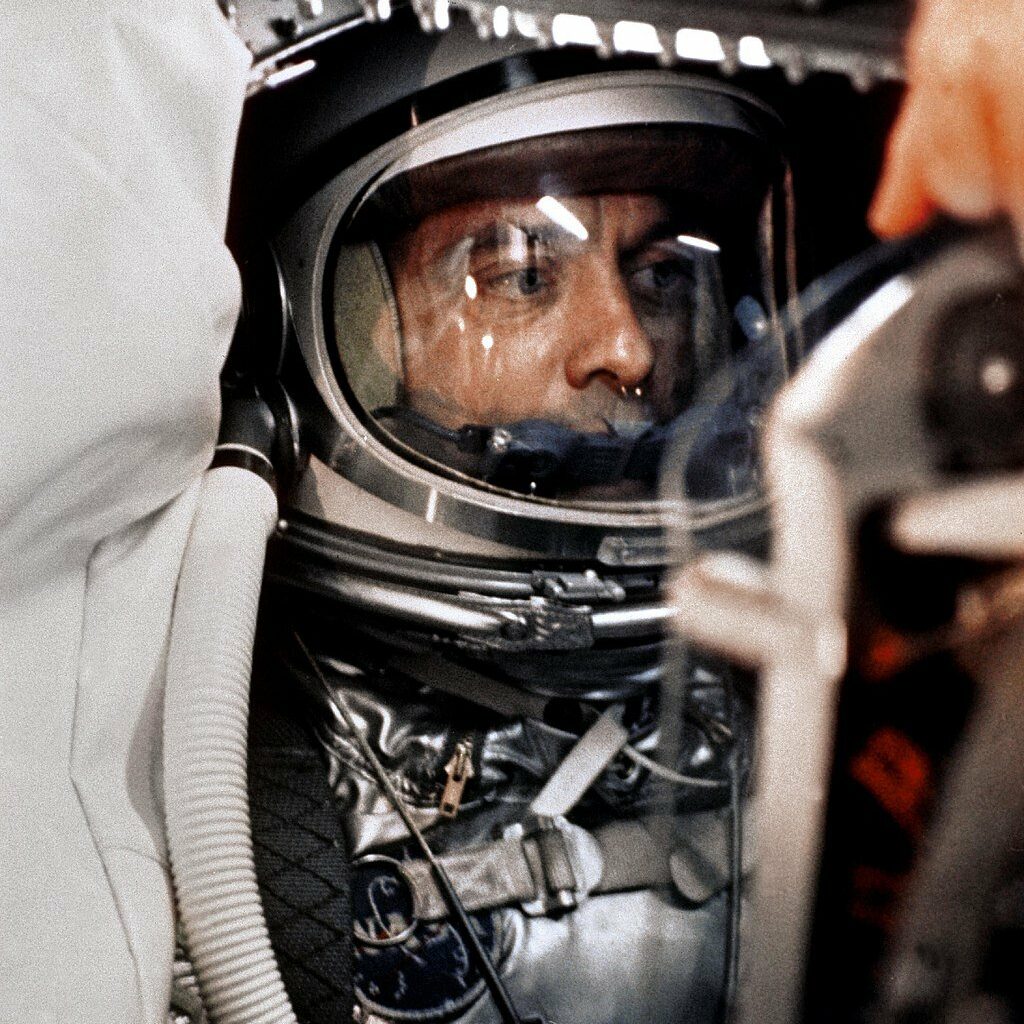
The first American astronaut to journey into space symbolizes a pivotal figure in the history of human space exploration. This individual’s mission marked the United States’ initial foray beyond Earth’s atmosphere during a period defined by intense geopolitical rivalry and rapid technological progress. His life and achievements represent the intersection of scientific innovation, national pride, and the enduring human quest to explore the cosmos.
Historical Background and Early Life
Born during the upheaval of World War II, this astronaut’s path to space began far from the stars, rooted in rigorous academic study and military service. His education in aeronautical engineering provided a solid foundation for his future endeavors, while his experience as a naval aviator honed his skills in piloting and deepened his understanding of the physical and mental challenges posed by flight. These formative years were crucial as the United States entered the Space Race, a strategic competition with the Soviet Union that would redefine global exploration.
The Space Race and NASA’s Mercury Program
The early 1960s witnessed a surge in aerospace advancements, spurred by Soviet milestones such as the launch of Sputnik and Yuri Gagarin’s historic orbit. In response, NASA launched the Mercury Project, an ambitious initiative aimed at sending the first American into space. The program was designed not only to assert national prestige but also to develop essential technologies and operational procedures for future missions. The selection of astronauts was highly selective, culminating in the formation of the Mercury Seven, a group of elite pilots and engineers from which the first American space traveler emerged.
Details of the Historic Flight
On May 5, 1961, the astronaut embarked on his groundbreaking mission aboard the spacecraft Freedom 7. This suborbital flight reached an altitude near 116 kilometers and lasted approximately 15 minutes, providing critical insights into human performance in space conditions. The mission’s success was underpinned by extensive prior testing, including both unmanned and manned trials, which validated the spacecraft’s launch, navigation, and recovery systems. Despite its brief duration, this flight shattered previous boundaries and marked a monumental achievement in space exploration.
Scientific and Cultural Impact
The mission’s significance extended beyond its technical accomplishments. It represented a symbolic victory in the Space Race and ignited widespread public enthusiasm for space science. Media coverage transformed the astronaut into a national hero and a symbol of American ingenuity and determination. His prominence inspired a surge of interest in STEM (science, technology, engineering, and mathematics) fields, influencing educational programs and motivating future generations to engage with space-related disciplines.
Post-Mission Contributions and Advocacy
Following his historic flight, the astronaut remained actively involved in NASA’s endeavors, contributing to various projects and advocating for sustained investment in space research and technology. His efforts in legislative advocacy helped secure funding for subsequent programs such as Gemini and Apollo, which ultimately enabled humanity’s first Moon landing. His continued engagement underscored a commitment to advancing space exploration beyond his own pioneering journey.
Legacy and Influence on Future Exploration
Throughout his life, the astronaut balanced public attention with a dedication to education and ethical considerations surrounding space exploration. He championed initiatives that encouraged young people to explore the cosmos while reflecting on the broader implications of humanity’s ventures beyond Earth. The technological and scientific progress achieved during his era laid the foundation for contemporary missions, including robotic explorers on Mars and ongoing plans for manned interplanetary travel.
Commemoration and Reflection
The announcement of his passing resonated deeply within both scientific communities and the general public. Tributes from fellow astronauts, scientists, and global leaders highlighted his profound impact on space exploration and human potential. Memorials and statues erected in his honor serve as enduring symbols of his journey and the spirit of discovery he embodied.
Philosophical and Ethical Considerations
The legacy of the first American in space invites ongoing reflection on the delicate balance between human ambition and mortality. His story encapsulates the essence of the Space Age-a fusion of daring, innovation, and the relentless pursuit of knowledge despite inherent risks. As space exploration evolves, his achievements continue to inspire dialogue on the ethical responsibilities and scientific challenges that accompany humanity’s expansion into the cosmos.
Why This Legacy Matters
The pioneering astronaut’s journey remains a testament to the transformative power of exploration. It highlights the importance of perseverance, innovation, and vision in advancing human understanding and capability. His contributions have shaped the trajectory of aerospace technology and continue to influence contemporary scientific endeavors, underscoring the enduring relevance of his mission in both historical and modern contexts.
FAQ
Who was the first American in space?
The first American in space was Alan Shepard, who flew aboard the Freedom 7 spacecraft on May 5, 1961.
What was the significance of the Mercury program?
The Mercury program was significant as it was NASA’s first human spaceflight program, aimed at sending the first American into space and establishing the U.S. presence in the Space Race.




Leave a Reply