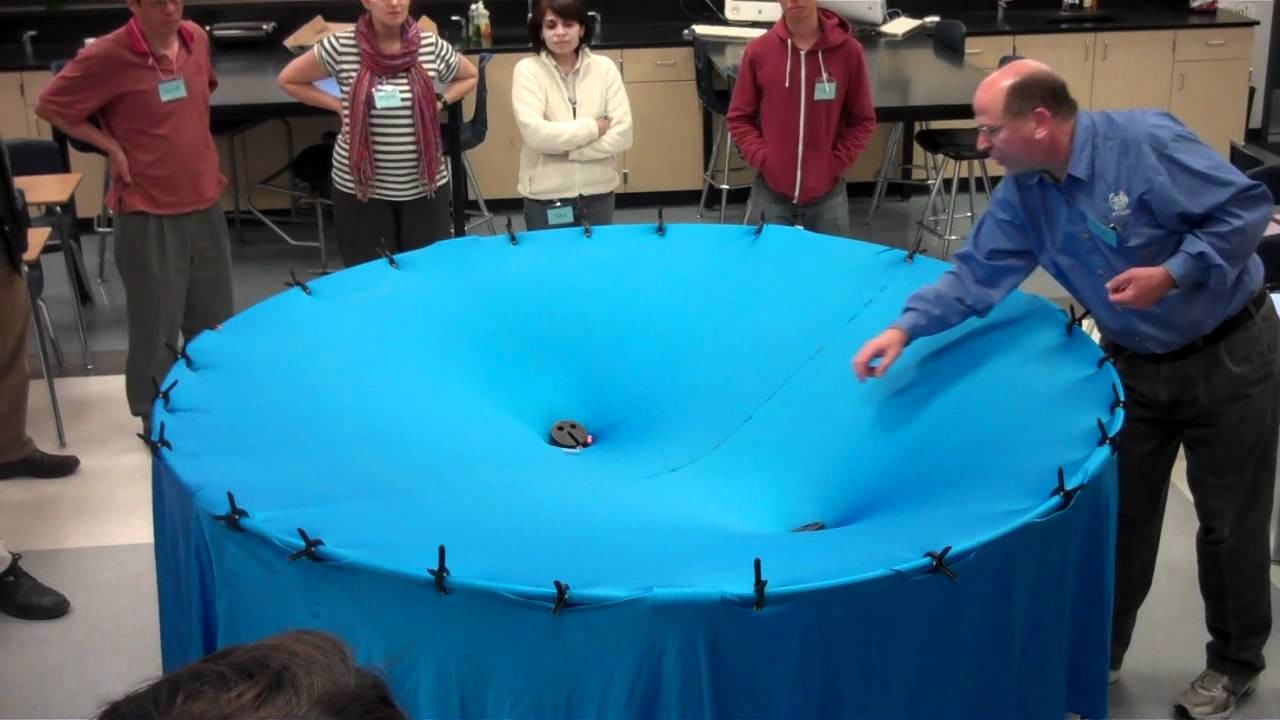
Does Gravity Pull—or Is Space Actually Pushing?

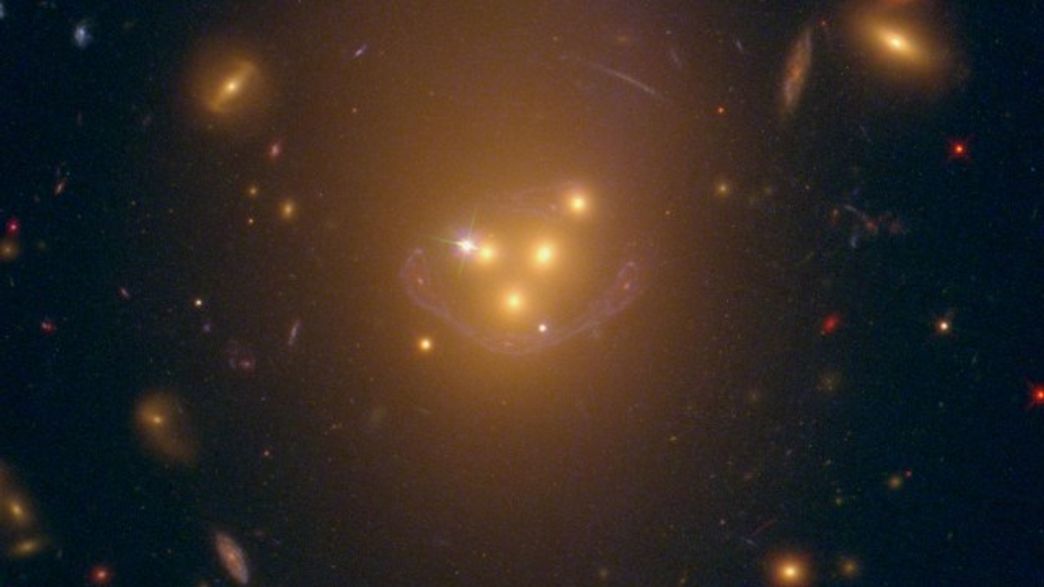
Definition of Gravity and Its Traditional Interpretation Gravity is commonly understood as an invisible force that draws objects toward one another, fundamentally shaping the structure and motion of celestial bodies such as planets, stars, and galaxies. This classical view, rooted in everyday experience and Newtonian physics, describes gravity as an attractive force acting between masses. […]

Read More →

What Can Gravitational Waves Be Used For?

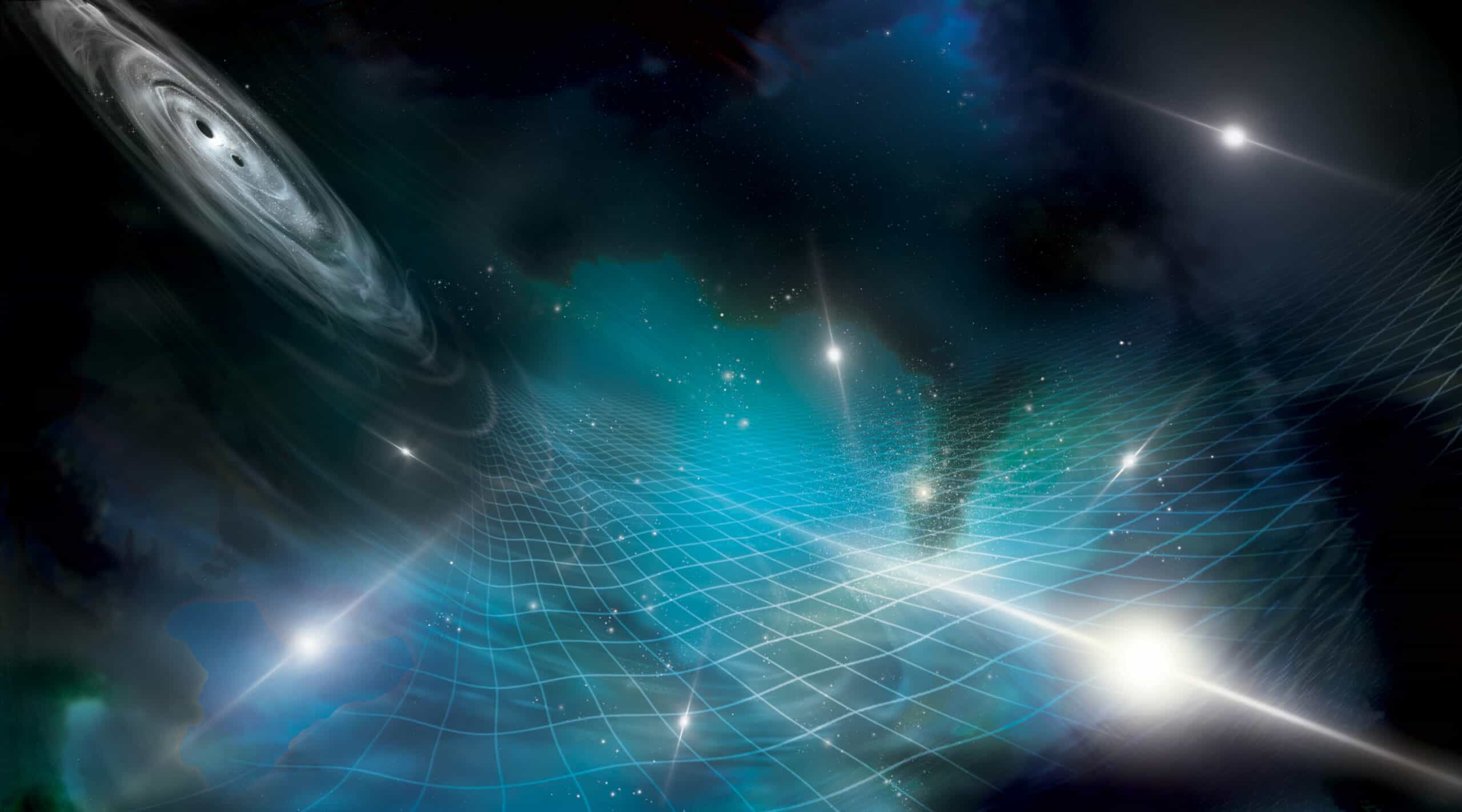
Definition of Gravitational Waves Gravitational waves are ripples in the fabric of spacetime generated by accelerating massive objects, as predicted by Albert Einstein’s general theory of relativity. These waves propagate outward at the speed of light, carrying information about dynamic cosmic events that cause distortions in spacetime. Unlike electromagnetic waves, gravitational waves interact very weakly […]

Read More →

What Physics Still Doesn’t Understand (And Why It Matters)

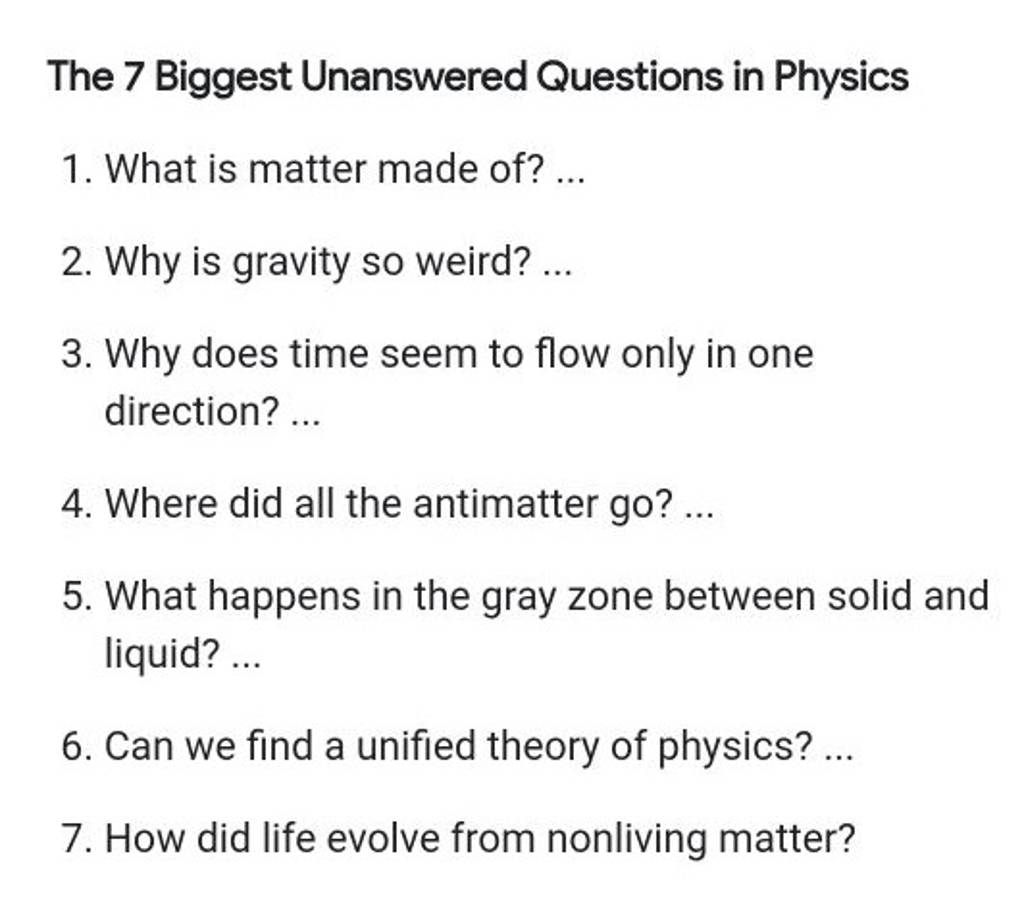
Definition of Unresolved Questions in Physics Physics is the scientific discipline dedicated to uncovering the fundamental principles governing the universe. Despite remarkable progress in understanding phenomena such as gravity, electromagnetism, and quantum mechanics, significant aspects of reality remain elusive. These unresolved questions represent the frontiers of physics, where current theories fall short of providing comprehensive […]

Read More →

This Discovery Could Finally Reveal What Dark Matter Is

Definition of Dark Matter Dark matter is a form of matter that does not emit, absorb, or reflect light, making it invisible to traditional astronomical instruments. Despite its elusive nature, it exerts a significant gravitational influence on visible matter, shaping the large-scale structure of the universe. It acts as an unseen framework that holds galaxies […]

Read More →