What’s the difference between neutrons and neutrinos?

Definition and Fundamental Properties Within the microscopic domain of subatomic particles, neutrons and neutrinos stand out as intriguing constituents that contribute to the universe’s structure and behavior. Despite sharing a similar prefix, these particles differ markedly in their nature, characteristics, and roles in physics. Neutrons: Classified as baryons, neutrons are composite particles found in atomic […]

Read More →

Do subatomic particles have solid surfaces?

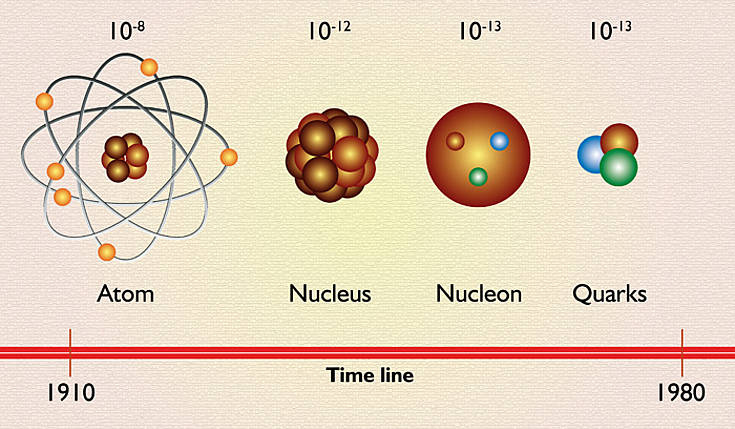
Definition of Subatomic Particles and Their Surfaces Subatomic particles are the fundamental constituents of matter, including protons, neutrons, and electrons. These particles form the building blocks of atoms, which in turn compose all physical substances. The question of whether these particles have solid, well-defined surfaces challenges traditional views of matter and delves into the core […]

Read More →

What are quarks and have we been able to split one yet?

Definition of Quarks Quarks are fundamental particles that serve as the essential components of matter, specifically forming protons and neutrons, which constitute atomic nuclei. As elementary fermions with half-integer spin, quarks come in six distinct types, known as flavors: up, down, charm, strange, top, and bottom. Each flavor exhibits unique characteristics such as mass and […]

Read More →

Why was CERN built?

Definition and Purpose of CERN The European Organization for Nuclear Research, widely known as CERN, is a premier scientific institution dedicated to exploring the fundamental components of the universe. Founded in 1954, CERN was established with the ambitious goal of advancing our understanding of particle physics and the forces that shape reality. It serves as […]

Read More →

How were the 12 fundamental particles originally identified?

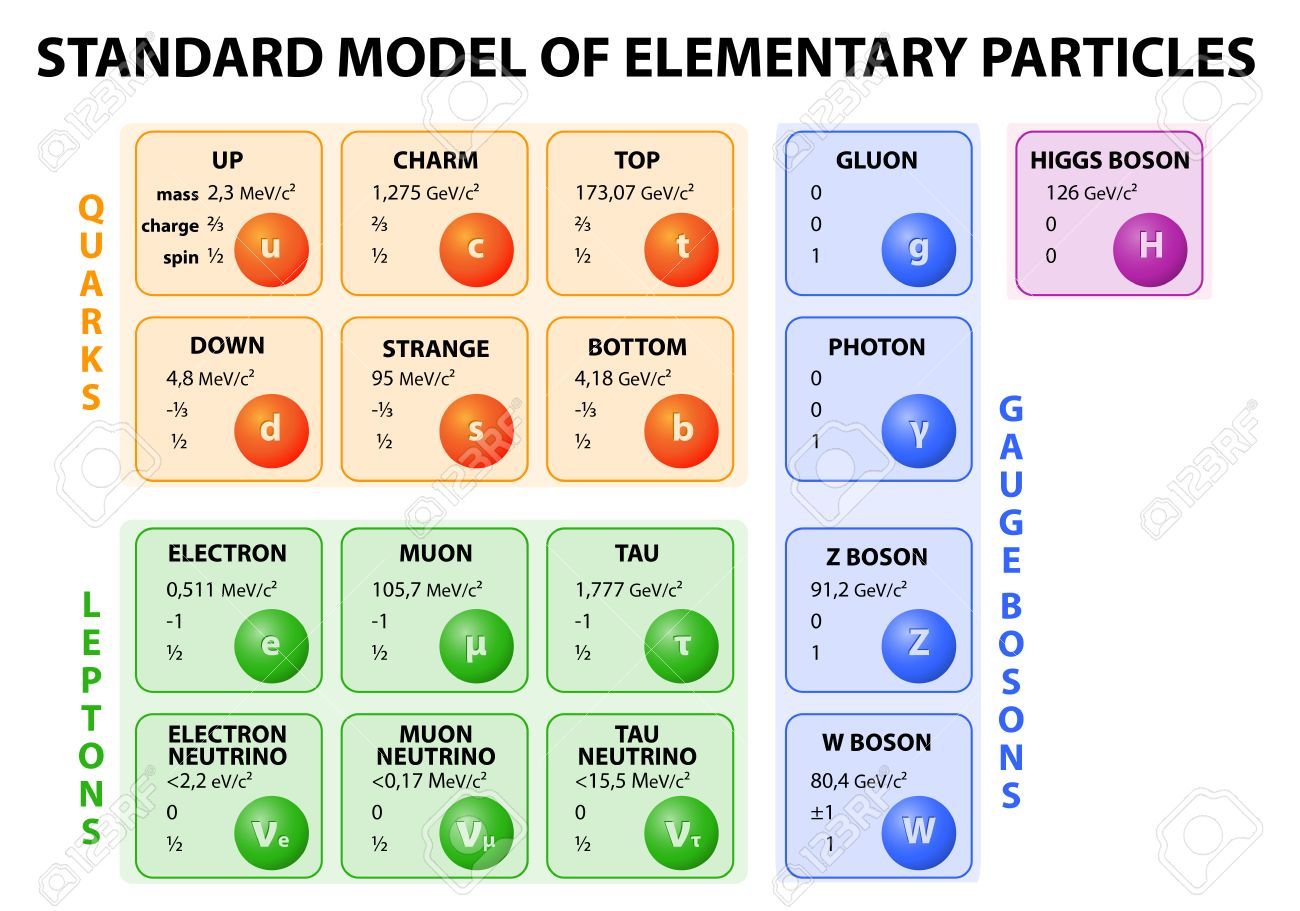
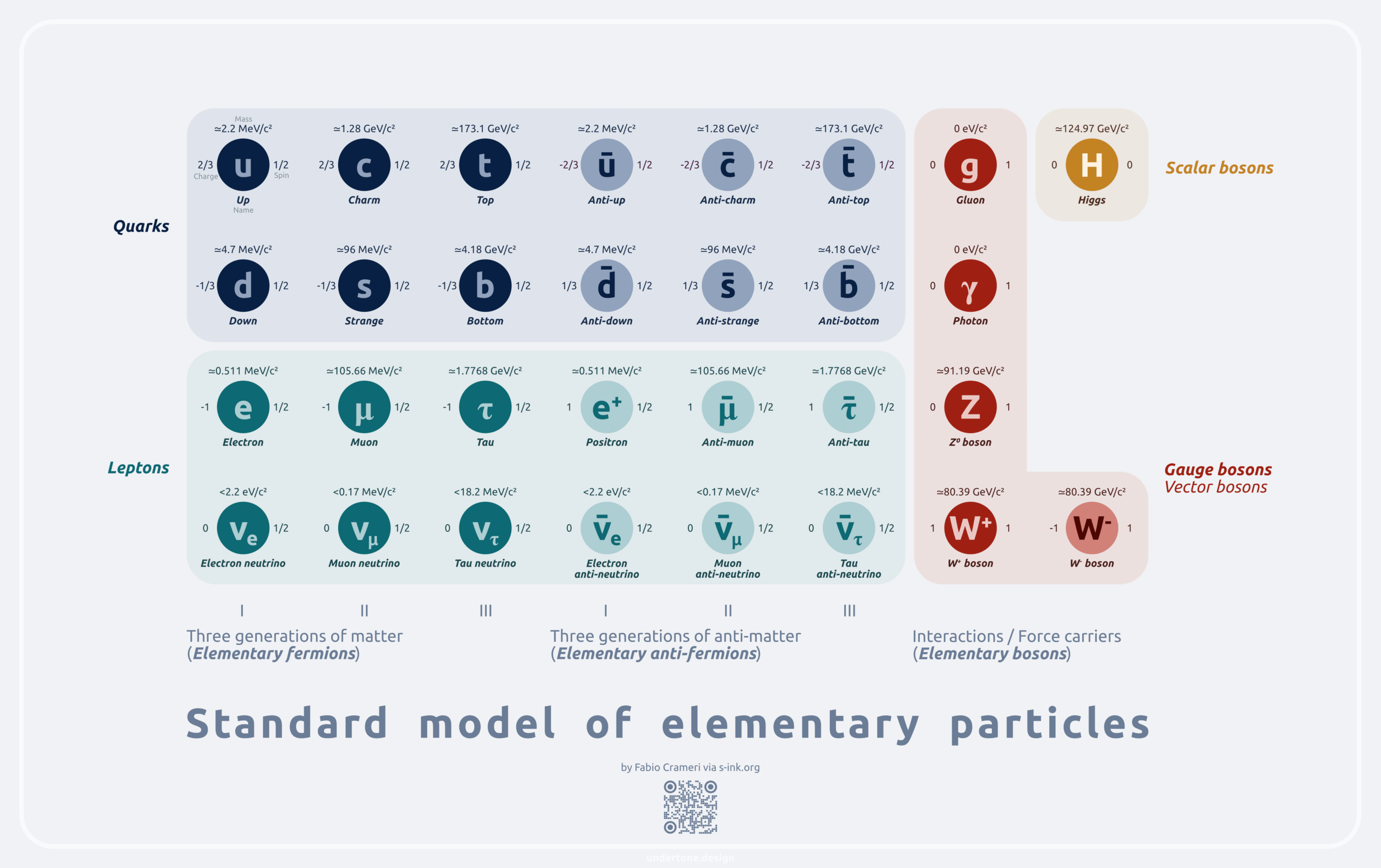
Overview of Fundamental Particles The discovery of the twelve fundamental particles, which constitute the foundation of the Standard Model in particle physics, represents a remarkable scientific journey spanning many decades. These particles are categorized into two main groups: fermions and bosons. Each plays an essential role in forming matter and mediating the fundamental forces that […]

Read More →

What are elementary particles made of?

Definition of Elementary Particles Elementary particles are the most fundamental constituents of matter and energy in the universe. Unlike composite particles, they are not known to be made up of smaller components. These particles form the basis of all physical substances and forces, serving as the essential building blocks in the fabric of reality. Fermions: […]

Read More →

What are quarks in an atom?

Definition of Quarks Quarks are fundamental particles that serve as the essential building blocks of matter at the subatomic level. Unlike atoms, which were once considered the smallest indivisible units, quarks reside within protons and neutrons, the components of an atom’s nucleus. These particles are elementary constituents in particle physics, meaning they are not composed […]

Read More →

Are there elementary particles undiscovered in the universe?

Understanding Elementary Particles Elementary particles are the most basic building blocks of matter and forces, indivisible into smaller components. They form the foundation of all physical substances and interactions in the universe. The Standard Model of particle physics categorizes these fundamental particles into three main groups: quarks, leptons, and gauge bosons. Quarks combine to form […]

Read More →

What are the fundamentals of particle physics?

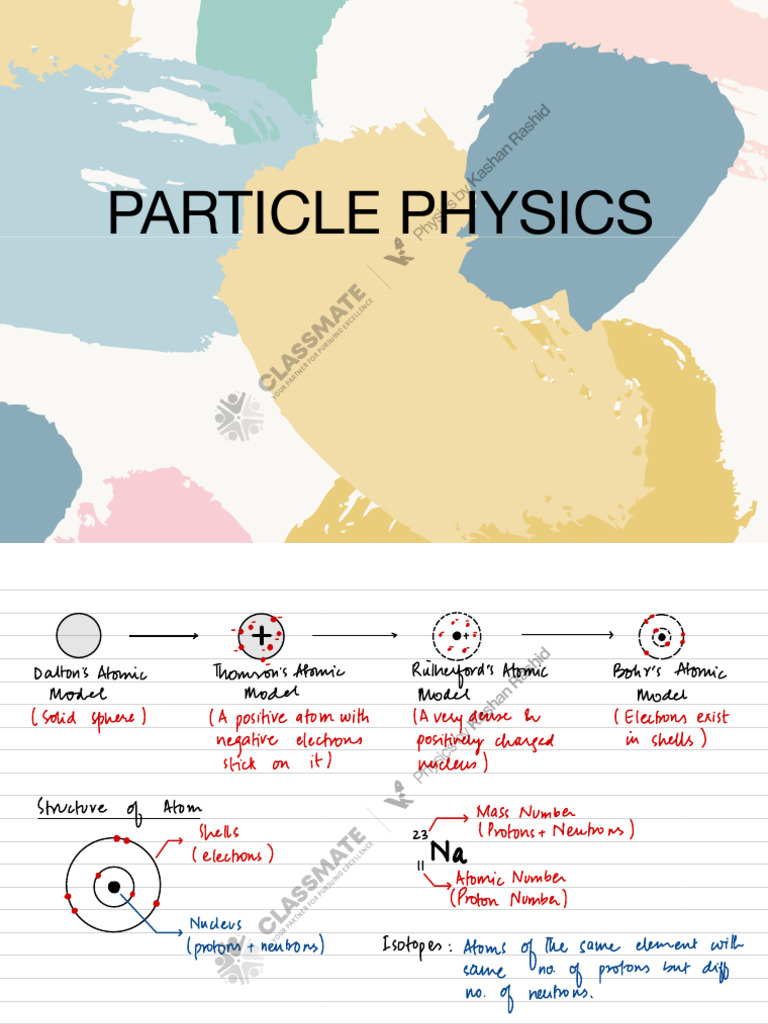
Definition of Particle Physics Particle physics is a fundamental area within theoretical physics that investigates the smallest known building blocks of matter and the forces that influence their behavior. This scientific discipline seeks to unravel the underlying structure of the universe by studying elementary particles and their interactions. It encompasses a wide range of theories, […]

Read More →