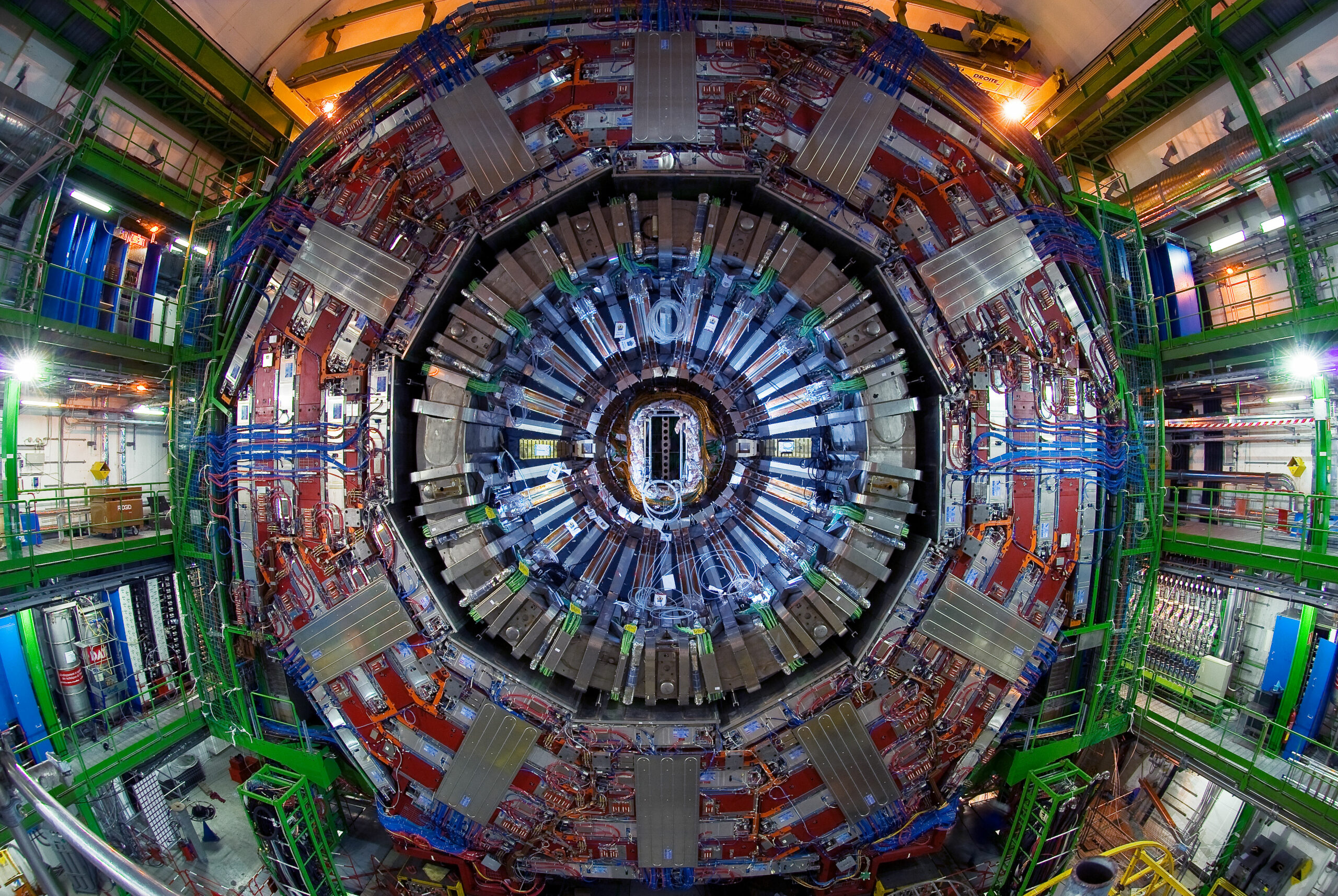
How to build a particle accelerator?

Definition of Particle Accelerators Particle accelerators are sophisticated devices designed to propel charged particles, such as electrons or protons, to extremely high velocities using electromagnetic fields. These machines enable scientists to investigate the fundamental constituents of matter and the forces that govern the universe by creating conditions that mimic those found in high-energy environments. Charged […]

Read More →

What is virtual instrumentation?

Definition of Virtual Instrumentation Virtual instrumentation refers to the integration of computer technology with measurement and control systems, transforming traditional physical instruments into flexible, software-based platforms. This approach replaces bulky, hardware-dependent devices with adaptable, portable solutions that leverage digital capabilities to enhance precision and efficiency in data acquisition and analysis. Software-Centric Approach: Virtual instrumentation relies […]

Read More →

How to become a physicist in India?

Definition Becoming a physicist in India involves a comprehensive educational and professional journey aimed at understanding the fundamental principles governing the natural world. This career path combines rigorous academic study, research involvement, and a deep intellectual curiosity about the universe’s mysteries. Building a Strong Academic Base The initial step toward a career in physics is […]

Read More →

Do you prefer 3D or 2D cinema? Why?

Understanding 2D and 3D Cinema The ongoing discussion about the superiority of 3D versus 2D cinema highlights the distinct qualities each format offers to moviegoers. Both dimensions provide unique viewing experiences, appealing to different audience preferences and perceptual interpretations. This article delves into the characteristics, advantages, and challenges of 2D and 3D films, offering a […]

Read More →

The Hardest Book on Quantum Field Theory (And Why We Still Read It)

Understanding Quantum Field Theory Quantum Field Theory (QFT) represents a monumental achievement in theoretical physics, seamlessly integrating the principles of quantum mechanics with the framework of special relativity. This synthesis provides a comprehensive description of how particles and fields interact at the most fundamental level, forming the backbone of modern particle physics and quantum mechanics. […]

Read More →

Which one is better Mathematics and Computing or ECE?

Understanding the Fields Choosing the right academic path can be a complex and overwhelming decision for many students, especially when comparing fields like Mathematics and Computing (M&C) and Electronics and Communications Engineering (ECE). To make an informed choice, it is essential to grasp the fundamental nature and scope of each discipline. Mathematics and Computing This […]

Read More →

Bi-Directional Laser Breakthrough: Light That Talks Both Ways

Definition of Bi-Directional Laser Technology Bi-directional laser technology represents a groundbreaking advancement in the field of optical communications, enabling light to propagate simultaneously in two opposite directions within the same system. This capability contrasts sharply with traditional laser systems, which typically emit coherent light in a single, unidirectional path. By allowing concurrent two-way light transmission, […]

Read More →

What are the 3 main sources of radiation?

Definition of Radiation Radiation is a pervasive phenomenon in the universe, consisting of energy transmitted through particles and electromagnetic waves. It is an essential aspect of the natural world, influencing various scientific fields and medical practices. Radiation originates from multiple sources, including cosmic events, the Earth’s own radioactive materials, and human technological activities. Each source […]

Read More →

What is quantum information in quantum computing?

Understanding Quantum Information Quantum information represents a groundbreaking concept within the field of quantum computing, rooted deeply in the principles of quantum mechanics. Unlike classical information, which is typically encoded in binary digits (0s and 1s), quantum information embodies a more complex and nuanced nature. It exists as a superposition of multiple states, reflecting a […]

Read More →