What are cheap ways to create graphene?

Understanding Graphene Graphene is a unique allotrope of carbon that has captivated scientists across materials science, chemistry, and physics due to its exceptional characteristics. It exhibits outstanding electrical conductivity, superior mechanical strength, and excellent thermal properties. These remarkable features have driven extensive research aimed at developing cost-effective methods for producing graphene, enabling its widespread use […]

Read More →

What causes stiffness in materials (in a molecular scale)?

Definition of Stiffness in Materials Stiffness refers to a material’s inherent resistance to deformation when subjected to an external force. It is a fundamental mechanical property that describes how much a material resists bending, stretching, or compressing. This characteristic is observable in everyday objects and is deeply rooted in the molecular and atomic interactions within […]

Read More →

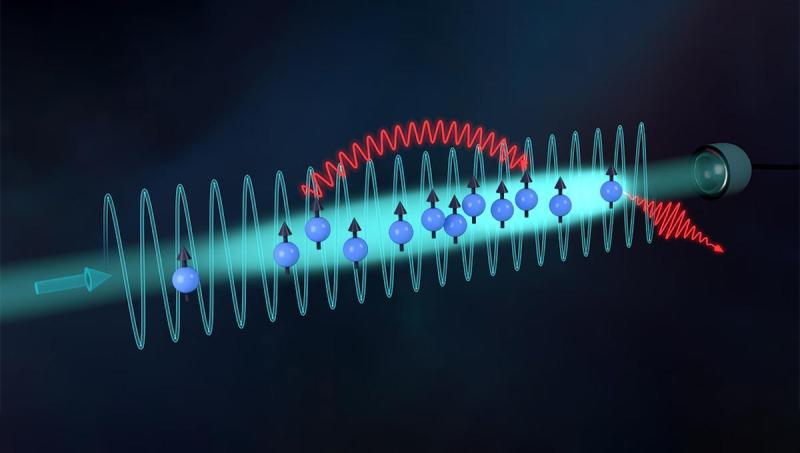
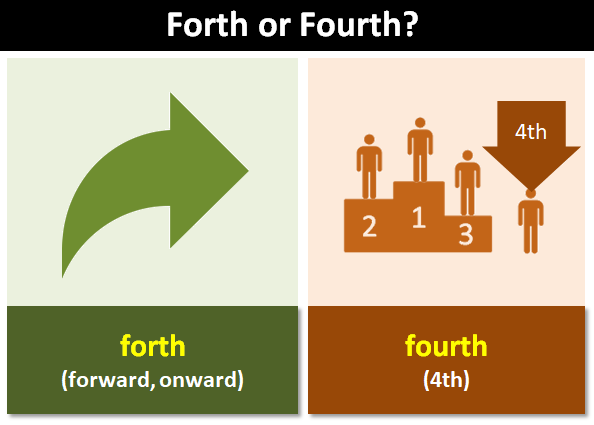
What is the fourth state of matter?

Definition of Plasma Plasma is recognized as the fourth fundamental state of matter, distinct from solids, liquids, and gases. It is essentially an ionized gas composed of free electrons and positively charged ions, where a significant fraction of the electrons have been stripped from their atoms. This ionization imparts unique electrical properties to plasma, making […]

Read More →

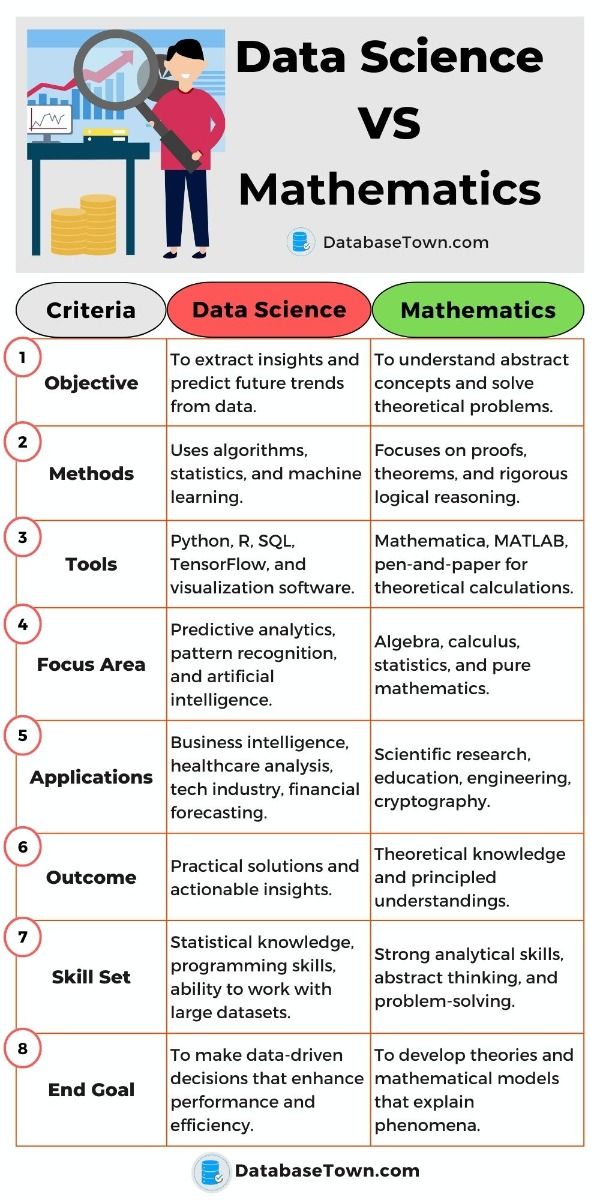
What is the difference between maths and computer science?

Definition Mathematics and computer science are two distinct yet interconnected disciplines that play crucial roles in technology, science, and engineering. While they share some foundational elements, each field possesses unique characteristics, methodologies, and objectives. Understanding their differences helps clarify their individual contributions and applications. Historical Background and Core Essence Mathematics: Originating from ancient efforts to […]

Read More →

What does AI + quantum computer + 3D printer add up to?

Definition and Overview of Emerging Technologies The convergence of artificial intelligence (AI), quantum computing, and 3D printing represents a groundbreaking fusion of distinct scientific advancements. Each technology has independently transformed its respective field, but their integration heralds a new era of innovation that challenges existing norms in manufacturing, creativity, and even philosophical perspectives on human […]

Read More →

A Cracking Approach to Nanotechnology: Breaking Boundaries with Atoms

Definition of Nanotechnology Nanotechnology refers to the science and engineering involved in manipulating matter at the scale of atoms and molecules, typically within the range of 1 to 100 nanometers. This multidisciplinary field integrates principles from physics, chemistry, biology, and engineering to create materials and devices with novel properties and functions. By controlling structures at […]

Read More →

Letian Wang: Architect of Tomorrow’s Nanoworlds

Overview of Letian Wang’s Contributions to Nanotechnology In the rapidly evolving field of modern science, interdisciplinary collaboration often sparks groundbreaking innovations that shape the future. Among the pioneers leading this charge is Letian Wang, whose research delves into the microscopic domain of nanotechnology. Far beyond the role of a traditional scientist, Wang acts as a […]

Read More →