
Short Answer
Definition of Earth’s Magnetic Shield
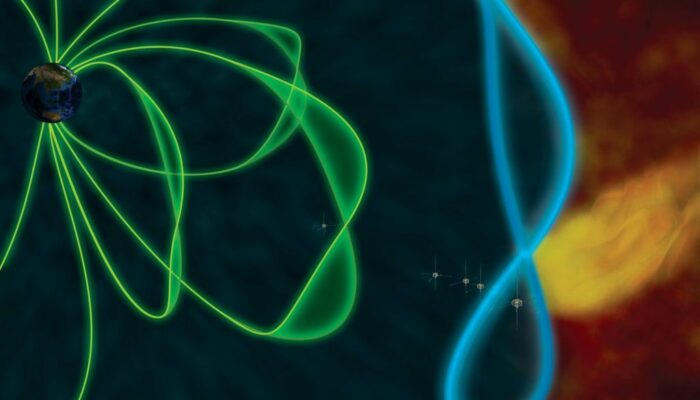
Earth’s magnetic shield, also known as the geomagnetic field, is a natural protective barrier generated by the movement of molten iron within the planet’s outer core. This magnetic field extends thousands of kilometers into space, forming a protective envelope that deflects harmful solar winds and cosmic radiation. Its primary role is to safeguard the planet and all living organisms from the damaging effects of charged particles emitted by the sun and other cosmic sources.
Structure and Components of the Geomagnetic Field
The geomagnetic field resembles a giant bar magnet tilted about 11 degrees relative to Earth’s rotational axis. It consists of several key regions:
- Magnetosphere:
The vast magnetic bubble surrounding Earth that deflects solar wind particles. - Magnetopause:
The boundary where Earth’s magnetic field meets and interacts with the solar wind. - Van Allen Radiation Belts:
Zones of trapped charged particles within the magnetosphere that provide an additional layer of protection by absorbing and redirecting harmful radiation.
Mechanism of Protection: How the Magnetic Shield Works
The geomagnetic field operates by channeling charged solar particles around the planet, preventing them from directly impacting the atmosphere and surface. Solar wind, a continuous flow of charged particles from the sun, is deflected by the magnetosphere, which acts as a magnetic barrier. The Van Allen belts trap many of these particles, reducing their potential harm. This dynamic system adjusts in response to solar activity, maintaining Earth’s habitability.
Emerging Concerns: Porosity of the Magnetic Shield
Recent scientific observations suggest that Earth’s magnetic shield may not be an impenetrable barrier but could exhibit “porous” characteristics, allowing some solar particles to pass through. This phenomenon challenges the traditional view of the geomagnetic field as a solid, continuous shield. During periods of intense solar activity, such as solar maximums, the increased intensity of solar wind can create temporary gaps or weaknesses in the magnetosphere, resembling a sieve rather than a solid wall.
Impact of Solar Activity on Magnetic Shield Integrity
Solar storms, particularly coronal mass ejections (CMEs), release vast amounts of charged particles that can overwhelm the magnetic defenses. When the magnetic field is compromised, these particles penetrate deeper into Earth’s atmosphere, posing risks to satellites, communication networks, navigation systems, and electrical grids. Electromagnetic disturbances caused by these penetrations can lead to widespread technological disruptions.
Geophysical and Cosmic Influences on the Magnetic Field
The geomagnetic field is not static; it undergoes continuous changes influenced by both internal and external factors:
- Internal Dynamics:
Convection currents in Earth’s liquid outer core and tectonic movements drive fluctuations in magnetic field strength and structure. - Geomagnetic Excursions and Reversals:
Over geological timescales, Earth’s magnetic polarity has shifted multiple times, indicating the field’s dynamic nature. - External Forces:
Gravitational interactions with the Moon and Sun, as well as cosmic events like supernovae, exert additional stresses on the magnetic field, contributing to its variability.
Interconnection Between Magnetic Field and Climate
There is growing interest in the relationship between changes in Earth’s magnetic field and climate variability. Some studies propose that fluctuations in the geomagnetic shield may influence the amount of solar radiation reaching the atmosphere, potentially affecting weather patterns and long-term climate trends. This complex interplay underscores the need for further research into how solar activity, geomagnetic dynamics, and climate systems interact.
Scientific Monitoring and Future Research
Understanding the potential porosity of Earth’s magnetic shield requires coordinated efforts from multidisciplinary scientific teams. Advanced satellite missions and ground-based instruments continuously monitor geomagnetic fluctuations, solar activity, and their effects on Earth’s environment. These observations are crucial for refining models of geomagnetic behavior and predicting the shield’s resilience against future solar events.
Significance of Earth’s Magnetic Shield
The geomagnetic field is vital for maintaining life on Earth by protecting the atmosphere and surface from harmful solar and cosmic radiation. Its integrity is essential for the stability of technological infrastructure, human health, and ecological balance. Recognizing the dynamic and sometimes vulnerable nature of this magnetic shield highlights the importance of ongoing research to safeguard our planet’s future.
Summary
The concept of Earth’s magnetic shield acting like a sieve rather than a solid barrier represents a paradigm shift in understanding geomagnetic stability. This evolving perspective emphasizes the complex interactions between solar phenomena, Earth’s internal processes, and cosmic influences. Continued scientific inquiry is essential to unravel the complexities of this protective system and to anticipate its behavior in the face of natural and human-induced changes.
FAQ
What is Earth's magnetic shield?
Earth’s magnetic shield, also known as the geomagnetic field, is a natural protective barrier generated by the movement of molten iron within the planet’s outer core.
How does the magnetic shield protect the Earth?
The magnetic shield deflects harmful solar winds and cosmic radiation, safeguarding the planet and living organisms.
What does it mean for the magnetic shield to be porous?
Porosity in the magnetic shield suggests that it may allow some solar particles to penetrate during intense solar activity, challenging previous assumptions of its impermeability.




Leave a Reply