
Short Answer
Definition of Wave Energy
Wave energy refers to the process of capturing and converting the kinetic and potential energy generated by ocean surface waves into usable electrical power. This form of renewable energy harnesses the natural motion of water caused by wind, gravitational forces, and other environmental factors, offering a promising alternative to fossil fuels.
- Source:
Energy originates from the movement of surface water driven primarily by wind and gravitational interactions. - Conversion Technologies:
Devices such as point absorbers, oscillating water columns, and overtopping systems transform wave motion into electricity.
Mechanisms Behind Wave Energy Conversion
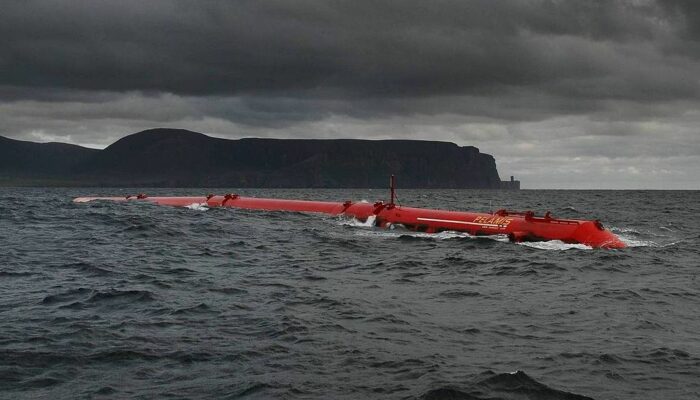
Wave energy devices operate by capturing the mechanical energy of ocean waves and converting it into electrical energy. Point absorbers float on the water surface and move with the waves, driving generators. Oscillating water columns use the rise and fall of water within a chamber to push air through turbines. Overtopping devices collect water in reservoirs elevated above sea level, releasing it to generate power through turbines. These technologies rely on the consistent and powerful motion of waves to produce energy efficiently.
Environmental Impacts of Wave Energy Systems
Effects on Marine Ecosystems
The installation of wave energy converters (WECs) in marine environments can significantly influence local ecosystems. Structures may physically alter habitats such as coral reefs and kelp forests, which are critical for biodiversity. Acoustic emissions from operating devices can disturb marine species, affecting their behavior and communication. The presence of artificial installations can change habitat complexity, potentially leading to shifts in species populations and biodiversity loss.
Influence on Marine Life Behavior
Mechanical operations of wave energy devices pose risks such as the entrapment of marine organisms and disruption of natural behaviors. Noise pollution generated by turbines and moving parts can interfere with feeding, breeding, and migratory patterns of aquatic species, highlighting the need for careful design and placement to minimize ecological disturbances.
Impact on Sediment Transport and Coastal Morphology
Wave energy infrastructure can alter sediment dynamics by disrupting natural transport processes. This interference may lead to increased coastal erosion or sediment accumulation in unintended areas, affecting beach stability and habitats for both terrestrial and marine organisms. Understanding sediment movement is crucial for sustainable wave energy deployment to prevent adverse coastal changes.
Carbon Footprint Considerations
While wave energy is renewable, the lifecycle of WECs involves energy-intensive processes including manufacturing, installation, maintenance, and decommissioning. These stages contribute to the overall carbon footprint, which must be assessed to ensure net environmental benefits. Advances in eco-friendly materials and efficient engineering can reduce embodied carbon and improve sustainability.
Socio-Economic Dimensions of Wave Energy
The development of wave energy farms often intersects with the interests of local communities, particularly those reliant on fishing. Conflicts may arise between energy producers, conservationists, and fishermen due to concerns over resource access and environmental changes. Inclusive stakeholder engagement and equitable benefit-sharing are essential to address these socio-political challenges and foster community support.
Advantages of Wave Energy in Climate Mitigation
Wave energy offers a substantial opportunity to reduce greenhouse gas emissions by providing a clean, renewable power source. As global energy demands grow and the urgency to combat climate change intensifies, wave energy can contribute significantly to diversifying the renewable energy portfolio. When implemented responsibly, it supports the transition away from fossil fuels and promotes environmental sustainability.
Innovations Enhancing Environmental Compatibility
Emerging eco-design strategies aim to harmonize wave energy installations with marine ecosystems. For example, integrating artificial reefs around WECs can enhance local biodiversity by creating new habitats. Such approaches transform potential ecological disruptions into opportunities for environmental regeneration, demonstrating the potential for sustainable coexistence between energy infrastructure and natural habitats.
Common Misconceptions About Wave Energy and the Environment
Wave energy devices cause irreversible damage to marine ecosystems.
While some impact exists, careful engineering, site selection, and mitigation strategies can minimize ecological disturbances and even promote habitat enhancement.
Wave energy has a negligible effect on carbon emissions.
Although wave energy reduces fossil fuel use, the lifecycle emissions from device production and maintenance must be considered to ensure true environmental benefits.
Why Wave Energy Is Crucial for Sustainable Development
Wave energy represents a vital component in the global shift toward sustainable energy systems. Its ability to provide consistent, renewable power supports efforts to reduce reliance on polluting fossil fuels and mitigate climate change impacts. Moreover, by addressing environmental and social challenges through innovative design and stakeholder collaboration, wave energy can contribute to a balanced and responsible use of ocean resources, safeguarding marine ecosystems for future generations.
FAQ
What is wave energy?
Wave energy is the process of capturing and converting the energy generated by ocean surface waves into usable electrical power.
What are the environmental impacts of wave energy?
Wave energy systems can alter marine ecosystems, affect marine life behavior, and influence sediment transport and coastal morphology.
How does wave energy contribute to climate mitigation?
Wave energy provides a clean, renewable power source that can help reduce greenhouse gas emissions.





Leave a Reply