
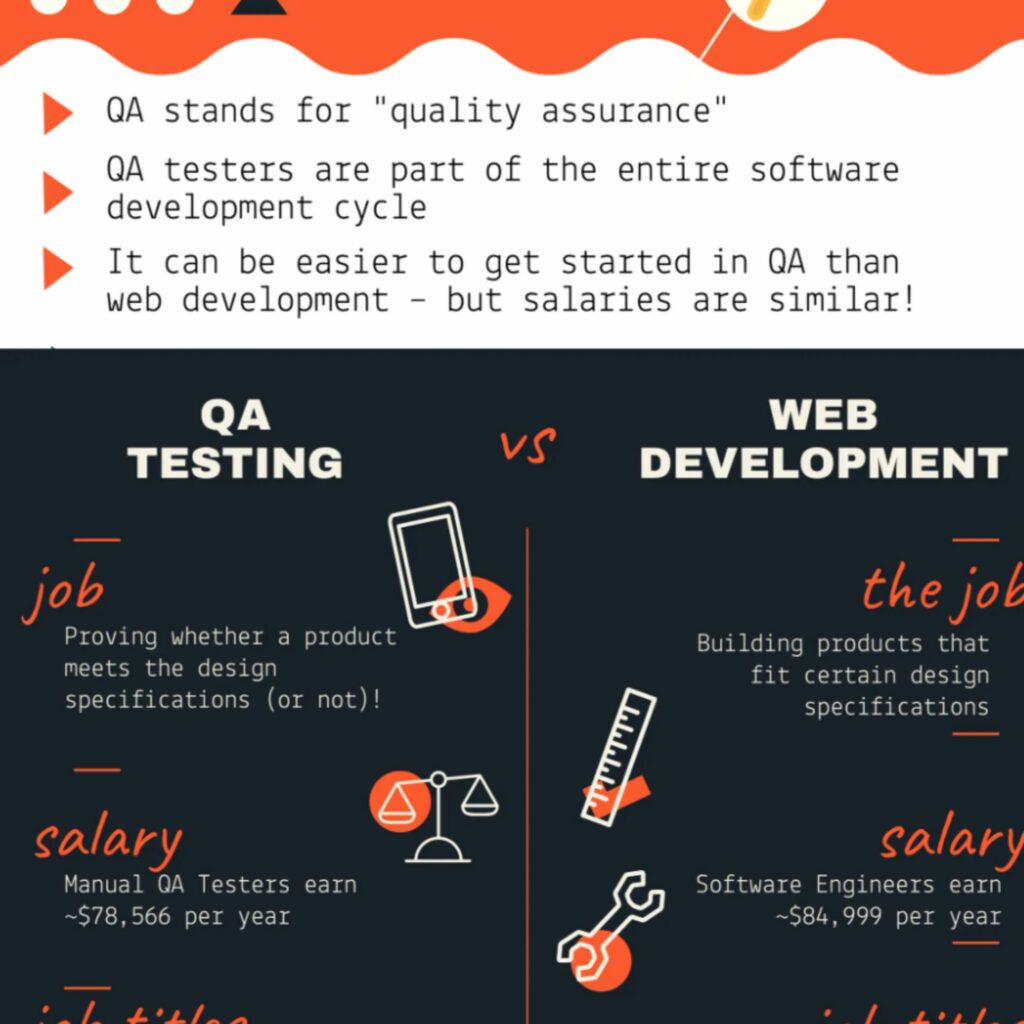
Short Answer
Understanding the Roles: Tester vs. Quality Assurance Professional
In the dynamic realm of software development, distinguishing between a tester and a Quality Assurance (QA) specialist is crucial yet often misunderstood. Both positions are vital to delivering high-quality software, but they differ significantly in their responsibilities, goals, and impact on the development lifecycle. This article provides an in-depth comparison, clarifying their unique roles, methodologies, skill requirements, and contributions to software quality.
Definition and Primary Duties
Tester: A tester’s main responsibility is to execute tests on software applications to detect bugs and report defects. Their focus lies in verifying that the software meets the specified requirements through validation and verification activities.
Quality Assurance Professional: QA professionals take a broader approach, overseeing the entire quality process throughout the software development lifecycle (SDLC). Their role emphasizes defect prevention by establishing and monitoring quality standards and processes rather than solely identifying issues.
- Tester Responsibilities:
Running predefined test cases, documenting outcomes, and communicating defects to developers. - QA Responsibilities:
Developing quality frameworks, setting process guidelines, and enhancing testing efficiency and code quality.
Extent of Involvement in the Software Lifecycle
The involvement of testers and QA professionals varies significantly in timing and scope within a project.
- Tester Engagement:
Primarily active during the testing phase, testers focus on uncovering defects through manual, automated, performance, and unit testing. Their role is often reactive, responding to issues as they arise. - QA Engagement:
QA specialists participate from the project’s inception, contributing to requirement analysis, design evaluations, and risk management. They promote continuous integration and continuous delivery (CI/CD) practices to improve productivity and reduce development risks.
Approaches and Methodologies
The strategies employed by testers and QA professionals reflect their distinct objectives.
- Testing Techniques:
Testers commonly use Agile methodologies, adapting to evolving requirements. Techniques include black-box testing (focusing on inputs and outputs), white-box testing (examining internal code structure), and exploratory testing (simultaneous learning and test design). - Quality Assurance Frameworks:
QA professionals often implement comprehensive quality management systems such as Total Quality Management (TQM) and Six Sigma. These emphasize process optimization, statistical control, and sustainable quality improvements to prevent defects from reaching production.
Essential Skills and Competencies
While there is some overlap, the skill sets required for testers and QA professionals differ in focus and breadth.
- Tester Skills:
Analytical thinking, expertise in designing and executing test cases, familiarity with testing tools and automation frameworks, and meticulous attention to detail for identifying software inconsistencies. - QA Skills:
Broad knowledge of software engineering principles, project and process management, leadership abilities, and strong communication skills. QA roles often require mediating between technical teams and business stakeholders to align quality objectives.
Performance Metrics and Evaluation
Success measurement varies between testers and QA professionals, reflecting their different focuses.
- Tester Metrics:
Defect density (number of defects per size of code), test coverage (percentage of code or features tested), and pass/fail rates of test cases provide immediate feedback on software quality. - QA Metrics:
Metrics such as defect escape rate (defects found post-release), cycle time (duration of development phases), and cost of quality (expenses related to preventing and fixing defects) offer insights into process effectiveness and long-term product quality.
Impact on Organizational Culture
The presence and emphasis on testing versus QA shape the quality culture within software organizations.
- Testing-Centric Culture:
Often reactive, focusing on fixing problems as they emerge, which can create urgency but may overlook systemic quality improvements. - QA-Centric Culture:
Proactive and preventive, fostering continuous improvement and shared responsibility for quality across teams, leading to enhanced collaboration and sustainable product excellence.
Why Differentiating Tester and QA Roles Is Important
Recognizing the distinctions between testers and QA professionals is essential for organizations aiming to optimize software quality. Testers provide critical defect detection within defined parameters, while QA professionals drive overarching quality strategies that prevent defects and improve processes. This understanding helps companies build robust quality frameworks, streamline development workflows, and cultivate a culture that prioritizes excellence in software delivery.
Summary
In conclusion, testers and QA professionals serve complementary yet distinct functions in software development. Testers focus on identifying and reporting software defects during testing phases, whereas QA professionals oversee the entire quality assurance process, emphasizing prevention and continuous improvement. Both roles are indispensable for achieving high-quality software products and fostering a quality-driven organizational mindset.
FAQ
What is the difference between a tester and a QA professional?
A tester focuses on executing tests and finding bugs, whereas a QA professional oversees the entire quality assurance process, aiming to prevent defects and improve development practices.
Do testers and QA professionals require different skill sets?
Yes, testers need strong analytical and testing skills, while QA professionals require broader skills including process management, communication, and leadership.
Which methodologies do QA professionals commonly use?
QA professionals often use Total Quality Management (TQM) and Six Sigma to optimize processes and ensure sustained quality.
How do testers contribute to software quality?
Testers help by identifying defects during the testing phase, ensuring the software meets functional requirements.
Why is understanding the difference important for organizations?
Understanding the distinction helps organizations assign roles correctly and implement effective quality strategies to improve software delivery.






Leave a Reply