

Short Answer
Definition of Medical Physics and Biophysics
Medical physics and biophysics are two complex scientific disciplines that, while interconnected, maintain distinct identities within the realm of applied sciences. Understanding their definitions is essential to grasp their relationship and individual contributions.
- Medical Physics:
A specialized branch of physics focused on applying physical principles and techniques to the diagnosis, treatment, and prevention of diseases in humans. It integrates knowledge of physics with medical technology to improve healthcare outcomes. - Biophysics:
An interdisciplinary science combining physics, biology, and chemistry to analyze and explain biological systems. It investigates phenomena ranging from molecular interactions to the mechanical behavior of tissues using quantitative physical methods.
Core Focus and Scope
Although both fields employ physics, their primary objectives and areas of emphasis differ significantly.
- Medical Physics:
Concentrates on the practical application of physics in clinical environments, including radiation therapy, medical imaging, and health physics. It ensures the safe and effective use of physical technologies in patient care. - Biophysics:
Explores the fundamental physical mechanisms underlying biological processes, such as biomolecular structures, cellular dynamics, and biomechanics, aiming to deepen scientific understanding of life at various scales.
Intersections Between Medical Physics and Biophysics
Despite their differences, these disciplines overlap in several key areas, fostering collaboration and mutual advancement.
- Medical Imaging:
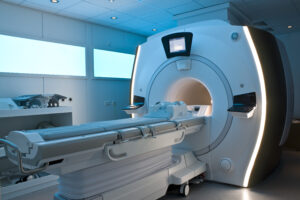
Techniques like magnetic resonance imaging (MRI) and positron emission tomography (PET) rely heavily on biophysical principles to understand tissue responses and signal generation. Medical physicists apply this knowledge to optimize imaging technologies for clinical use. - Radiation Therapy:
Medical physicists utilize knowledge of radiation physics and dose distribution to treat diseases, while biophysics provides insight into the biological effects of radiation on tissues, informing safer and more effective therapies. - Technological Innovation:
Emerging medical technologies, such as targeted drug delivery and nanomedicine, draw from both fields. Biophysics elucidates drug interactions at the molecular level, whereas medical physics applies physical principles to develop and implement these technologies in healthcare.
Research Methods and Techniques
Both fields employ advanced physical methodologies, but their applications and goals differ.
- Biophysics:
Utilizes sophisticated tools like spectroscopy and microscopy to investigate biological structures and functions, focusing on fundamental scientific discovery. - Medical Physics:
Employs imaging and measurement technologies primarily to enhance clinical diagnostics, treatment accuracy, and patient safety, emphasizing practical healthcare applications.
Educational and Professional Pathways
The training and career trajectories of professionals in these fields reflect their distinct focuses.
- Medical Physicists:
Typically earn advanced degrees in physics followed by specialized clinical training to integrate physics with medical practice, preparing them for roles in hospitals and healthcare institutions. - Biophysicists:
Often pursue multidisciplinary education combining physics, biology, and chemistry, leading to careers in research, academia, and biotechnology sectors.
Why Understanding Their Relationship Matters
Recognizing the distinctions and connections between medical physics and biophysics is crucial for advancing medical science and technology.
- Enhancing Patient Care:
Integrating biophysical insights into medical physics improves diagnostic and therapeutic techniques, leading to better health outcomes. - Driving Innovation:
Collaborative efforts between these fields accelerate the development of cutting-edge medical technologies, such as nanotechnology and precision medicine. - Educational Clarity:
Clear differentiation aids students and professionals in choosing appropriate career paths and research focuses within the health sciences.
Summary: Are Medical Physics and Biophysics the Same?
Medical physics is not a direct subdivision of biophysics; rather, it is an independent discipline that benefits significantly from biophysical principles. While medical physics emphasizes the clinical application of physics to healthcare technologies, biophysics concentrates on understanding biological systems through physical laws. Their interplay enriches both fields, fostering innovations that enhance medical diagnostics, treatment, and research.
FAQ
Is medical physics a subset of biophysics?
No, medical physics is an independent field but shares concepts and collaborates with biophysics.
How do medical physics and biophysics differ?
Medical physics focuses on clinical applications of physics in medicine, while biophysics studies biological systems using physics.
What are common areas of overlap between the two fields?
Medical imaging and radiation therapy are key areas where both fields intersect and collaborate.
What education do medical physicists require?
Typically, advanced physics degrees plus clinical training in medical environments.
What education do biophysicists require?
Multidisciplinary education incorporating physics, biology, and chemistry.




Leave a Reply