
Short Answer
Understanding Mars’ Gravity
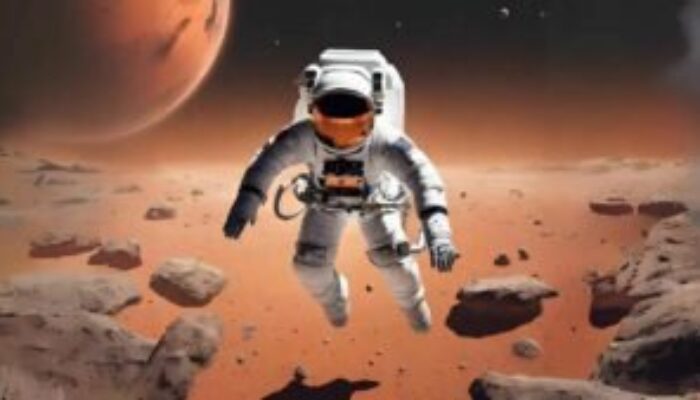
Mars, often hailed as humanity’s next destination for exploration and settlement, possesses a gravitational force significantly different from that of Earth. Specifically, the Red Planet’s gravity is approximately 38% of Earth’s, placing it in an intermediate zone between Earth’s full gravity and the near-weightlessness experienced in space. This unique gravitational environment presents both challenges and opportunities for sustaining human life beyond our home planet.
Definition and Significance of Gravity on Human Physiology
Gravity is a fundamental force that continuously influences human biology by exerting mechanical stress on the body’s musculoskeletal and organ systems. On Earth, this constant pull is essential for maintaining bone density, muscle strength, and cardiovascular function. The absence or reduction of gravity, as observed in microgravity environments like the International Space Station, leads to rapid muscle wasting, bone loss, and circulatory issues. Mars’ gravity, while weaker than Earth’s, is considerably stronger than microgravity, suggesting it may offer a partial protective effect against these physiological degradations.
- Musculoskeletal Impact:
Gravity stimulates bone remodeling and muscle maintenance by providing mechanical load. Reduced gravity can cause muscle atrophy and bone demineralization. - Cardiovascular Effects:
Gravity assists blood circulation by facilitating venous return and maintaining hydrostatic pressure gradients. Lower gravity can disrupt these processes, leading to cardiovascular deconditioning.
Physiological Adaptations to Reduced Gravity on Mars
The diminished gravitational force on Mars results in a lighter effective body weight, which may initially seem advantageous by reducing fatigue and joint stress. However, this reduction also means that muscles and bones accustomed to Earth’s gravity may weaken over time due to decreased mechanical demands. The extent to which Martian gravity can slow or prevent these degenerative changes remains a critical area of research.
- Muscle and Bone Health:
Prolonged exposure to 38% gravity may lead to muscle weakening and bone density loss, though potentially less severe than in zero gravity. - Cardiovascular Regulation:
Mars’ gravity might partially preserve circulatory function, reducing risks such as orthostatic intolerance and blood pooling compared to microgravity.
Cellular and Molecular Implications of Martian Gravity
Gravity influences biological processes at the cellular level, including gene expression, cell differentiation, immune responses, and microbial behavior. Alterations in gravitational force can affect these mechanisms, which are vital for tissue regeneration and overall health. Understanding how Martian gravity impacts these cellular functions is essential for developing strategies to support long-term human habitation.
Technological and Environmental Strategies for Human Survival
To complement Mars’ natural gravity, future habitats may incorporate artificial gravity through rotational designs to enhance physical conditioning and mitigate health risks. Additionally, exercise programs, nutrition plans, and medical treatments will need to be tailored to the unique biomechanical and physiological conditions imposed by reduced gravity. These integrated approaches will be crucial for maintaining human health and performance on Mars.
Psychological and Cognitive Considerations
The experience of living under reduced gravity affects not only physical health but also mental well-being. Changes in sensory perception, spatial orientation, and motor coordination can influence mood and cognitive function. Mars’ gravity, being neither Earth-like nor weightless, may create a distinct psychological environment that requires adaptation and resilience. Preparing for these mental health challenges is vital for the success of long-term missions and colony development.
Why Mars’ Gravity is Crucial for Human Colonization
The gravitational environment of Mars is a defining factor in the feasibility of human settlement. It shapes biological integrity, influences technological design, and affects psychological health. Understanding and adapting to this intermediate gravity is essential for ensuring that humans can not only survive but thrive on the Red Planet. This knowledge will also expand our comprehension of life’s adaptability and the role gravity plays in shaping biological systems.
Common Misconceptions About Mars’ Gravity and Human Life
Mars’ gravity is too weak to support human life.
While weaker than Earth’s, Mars’ gravity is significantly stronger than microgravity and may help mitigate some health issues associated with weightlessness.
Reduced gravity only has positive effects like easier movement.
Although reduced gravity can decrease fatigue and joint stress, it also poses risks such as muscle atrophy and bone loss that require countermeasures.
Conclusion: Redefining Life in Altered Gravity
The question of whether Mars’ gravity is adequate for human life transcends a simple yes-or-no answer. It challenges us to rethink the biological and technological frameworks that support life beyond Earth. Mars’ gravity may serve not only as a hurdle but also as a catalyst for innovation, adaptation, and a deeper understanding of how life can evolve under new cosmic conditions. As humanity embarks on this interplanetary journey, the interplay between gravity and life will remain a central theme in shaping our future among the stars.
FAQ
Can humans live on Mars?
Mars' gravity is suitable for human life but poses health challenges that need to be addressed.
What are the effects of Mars' gravity on the human body?
Exposure to Mars' gravity can lead to muscle weakening and bone density loss, though less severe than in microgravity.


Leave a Reply