
Short Answer
Understanding Life at MIT
Life at the Massachusetts Institute of Technology (MIT) often prompts a common question: How challenging is it? This seemingly straightforward query encompasses various facets, including academic demands, social interactions, and personal growth. To truly grasp the experience, one must look beyond superficial impressions and explore the inherent difficulties and enriching moments that define life at this prestigious university.
Academic Challenges at MIT
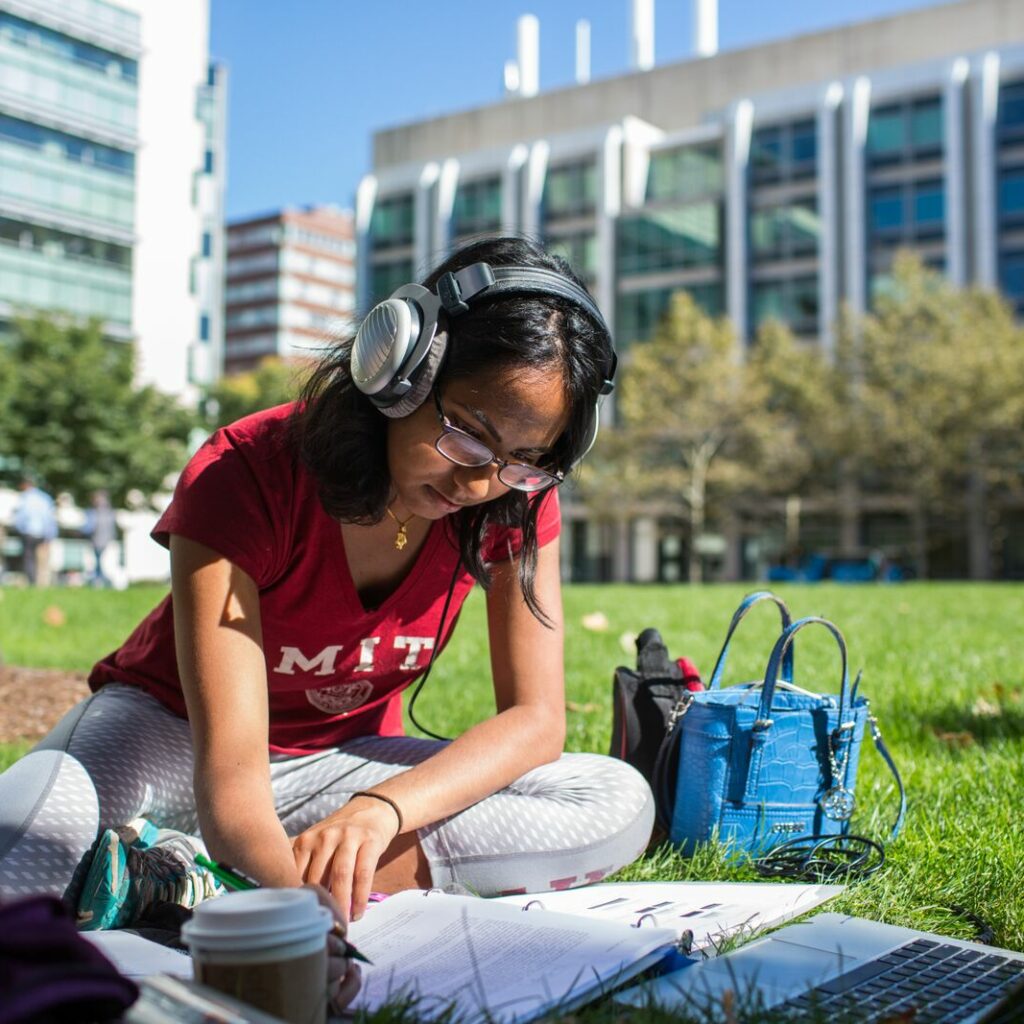
MIT is widely recognized for its intense academic environment. The curriculum is designed to push students intellectually, encouraging deep critical thinking and innovative problem-solving skills. Core courses in engineering, science, and technology often involve intricate theories paired with practical applications, creating a demanding learning atmosphere. This combination can be overwhelming, especially when surrounded by highly capable and driven classmates.
First Semester Realities
Many new students enter MIT with enthusiasm and optimism, eager to embark on their academic journey. However, the initial excitement is frequently tempered by the realization of the fast-paced and rigorous coursework. Assignments, exams, and projects accumulate quickly, requiring unwavering commitment. Students often find themselves questioning whether this intense workload is a sign of impending burnout or a pathway to intellectual achievement.
Collaborative Learning and Community Support
Despite the academic pressures, MIT fosters a culture of collaboration. Students commonly form study groups to share knowledge and alleviate stress. This collective approach not only helps manage the workload but also builds a supportive community where individuals feel connected and encouraged. Thus, while the academic path is challenging, it simultaneously nurtures a vibrant environment of mutual assistance and shared success.
Social Dynamics and Campus Life
The social fabric at MIT is complex and diverse, reflecting a wide array of cultural backgrounds and perspectives. This diversity enriches the campus but can also present challenges for newcomers adjusting to the social scene. Opportunities for involvement abound through numerous clubs, organizations, and events like the Independent Activities Period (IAP). However, the intense academic culture sometimes fosters a competitive atmosphere that may lead to feelings of isolation. This raises the question of whether excelling academically requires sacrificing social engagement.
Mental Health Considerations
The high-pressure environment at MIT can significantly impact students’ mental well-being. The combination of self-imposed expectations and external demands often results in stress and anxiety. While resources such as MIT Medical’s Counseling and Mental Health Services are available, stigma around seeking help persists in some circles. The prevailing culture of resilience and independence may discourage students from prioritizing their mental health, highlighting the challenge of maintaining balance amid rigorous academic and social pressures.
Personal Growth Through Adversity
Many students report that the challenges faced at MIT lead to substantial personal development. Skills such as resilience, adaptability, and effective time management become essential tools honed throughout their studies. Despite the difficulties, the demanding environment often fosters confidence and competence that extend beyond academics, preparing students for future professional and personal endeavors. This transformation illustrates how adversity can serve as a catalyst for meaningful growth.
Networking and Alumni Influence
The extensive MIT alumni network offers current students valuable guidance and inspiration. Connecting with graduates who have navigated similar challenges provides insights and encouragement. Networking becomes a crucial aspect of the MIT experience, helping students leverage the wisdom and experiences of those who have successfully managed the institution’s demands. This dynamic prompts reflection on how to best utilize these connections to thrive at MIT.
Internships and Research Opportunities
MIT’s prestigious reputation opens doors to cutting-edge research labs and leading companies worldwide. Engaging in internships or research projects can be both exciting and intimidating. While these opportunities offer unparalleled experiences, they also require dedication and perseverance to succeed. This balance between opportunity and challenge raises the question of whether the benefits of such prospects outweigh the difficulties encountered along the way.
Summary: The Multifaceted Nature of MIT Life
Life at MIT is a rich tapestry woven from challenges, achievements, and personal evolution. Students face a demanding academic environment balanced by collaborative support, navigate a diverse social landscape, and develop skills that transcend the classroom. Each individual’s journey is unique, shaped by how they respond to obstacles and seize opportunities. The question of whether MIT is difficult does not have a simple answer; rather, it encompasses a complex interplay of struggle, community, and growth.
Significance of the MIT Experience
The experience at MIT is more than just academic rigor; it is a comprehensive process that molds resilient, capable individuals ready to contribute to the future. The challenges encountered serve as a crucible for developing not only intellectual prowess but also emotional strength and social skills. Understanding this holistic experience is essential to appreciating the true nature of life at MIT.
FAQ
What makes MIT's academic environment unique?
The academic environment at MIT is characterized by high expectations, innovative problem-solving, and collaborative learning, pushing students to excel.
How does MIT support student mental health?
MIT provides various resources, including counseling services and peer support networks, to help students manage stress and mental health challenges.





Leave a Reply