
Short Answer
Definition of Energy Formation from Light-Matter Interaction
Energy, a fundamental constituent of the universe, manifests in various forms and underpins all physical phenomena. Light, a type of electromagnetic radiation, plays a crucial role in energy dynamics when it encounters matter. The question of whether energy is generated when light strikes matter is not straightforward; rather, it involves the transformation and transfer of energy from one form to another, revealing the intricate nature of energy itself.
Mechanisms of Light and Matter Interaction
The interaction between light and matter can be understood through three primary processes: absorption, reflection, and transmission. Each process dictates how energy is conserved or transformed during the encounter.
- Absorption:
When photons collide with atoms or molecules, their energy can be absorbed, causing electrons to move to higher energy states. This absorbed energy can then be converted into other forms such as thermal, chemical, or kinetic energy. - Reflection:
Light can bounce off surfaces without losing energy, maintaining its original state. This phenomenon is observed in mirrors and other reflective materials. - Transmission:
Light may pass through transparent materials like glass without significant absorption, preserving its energy as it travels through the medium.
Energy Transformation: How Light Creates New Energy Forms
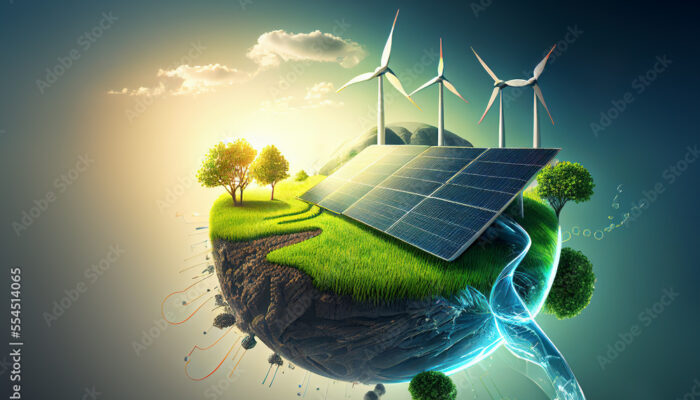
When light energy is absorbed by matter, it initiates a series of transformations that convert electromagnetic energy into other energy types. For example, in photosynthesis, chlorophyll molecules absorb sunlight, triggering chemical reactions that produce glucose and oxygen-an elegant conversion of light energy into chemical energy. Similarly, solar panels utilize the photovoltaic effect, where absorbed light generates electrical energy by exciting electrons within semiconductor materials, creating an electric current.
Role of Resonance in Energy Absorption
Resonance enhances the efficiency of energy transfer when the frequency of incoming light matches the natural frequency of electrons in a material. This synchronization leads to increased absorption and energy transformation. Laser technology exemplifies this principle, using stimulated emission to produce coherent light beams, showcasing how precise light-matter interactions can generate new energy forms.
Conservation of Energy in Light-Matter Interactions
The law of conservation of energy states that energy cannot be created or destroyed but only transformed. When light interacts with matter, the total energy remains constant, merely changing from one form to another. This principle governs all physical processes involving light and matter, ensuring that energy is conserved throughout these interactions.
Practical Applications and Examples
Numerous real-world phenomena and technologies illustrate the transformation of light energy upon interaction with matter:
- Photosynthesis:
Plants convert sunlight into chemical energy, sustaining life on Earth. - Solar Panels:
Photovoltaic cells transform sunlight into usable electrical energy. - Mirrors and Lenses:
Reflective and transparent materials manipulate light without energy loss, enabling optical devices. - Laser Devices:
Utilize resonance and stimulated emission to produce focused light beams for medical, industrial, and communication purposes.
Common Misconceptions About Light and Energy Formation
Light creates energy from nothing.
Light does not generate energy ex nihilo; it transfers and transforms existing energy according to conservation laws.
All light is absorbed and converted into energy.
Depending on the material, light may be reflected or transmitted without energy conversion.
Significance of Light-Induced Energy Transformations
The interaction between light and matter is fundamental to numerous natural and technological processes. It drives the energy cycles that sustain ecosystems, powers renewable energy technologies, and enables advanced optical systems. Understanding these transformations deepens our comprehension of physical laws and enhances our ability to harness energy efficiently, impacting science, industry, and daily life.
FAQ
Does light create energy when it hits matter?
No, light does not create energy but transfers and transforms existing energy according to the law of conservation of energy.
What happens when light is absorbed by matter?
When light is absorbed, its energy causes electrons to excite to higher states, which can then be converted into thermal, chemical, or electrical energy.
Can all light energy be converted into other energy forms?
Not all light energy is converted; some light may be reflected or transmitted without energy transformation depending on the material.






Leave a Reply