
Short Answer
Overview of CERN and Its Scientific Mission
The European Organization for Nuclear Research, widely known as CERN, is a leading center for scientific research located on the border between France and Switzerland. It is internationally recognized for its groundbreaking work in high-energy physics, attracting thousands of scientists and researchers who seek to unravel the fundamental building blocks of the universe. Central to CERN’s mission is the use of advanced particle accelerators, such as the Large Hadron Collider (LHC), which enable experiments at unprecedented energy levels to explore the nature of matter and the forces governing it.
Understanding Radiation in the Context of CERN
Radiation, a natural and ubiquitous phenomenon, plays a crucial role in the experiments conducted at CERN. It can be described as energy emitted in the form of particles or electromagnetic waves. While radiation is essential for scientific discovery, it also carries potential hazards if not properly managed. At CERN, the radiation encountered primarily arises from ionizing radiation, which has enough energy to dislodge electrons from atoms, potentially causing cellular damage and increasing health risks such as cancer.
- Ionizing Radiation:
This type of radiation includes particles and photons capable of ionizing atoms, which is a key concern in high-energy physics experiments. - Sources at CERN:
Particle collisions within accelerators generate bursts of ionizing radiation, necessitating stringent safety measures.
Radiation Safety Measures at CERN
CERN employs a multifaceted approach to ensure radiation safety, combining technological, procedural, and educational strategies to protect personnel and the public.
Advanced Radiation Monitoring Systems
The facility is equipped with an extensive network of sensors that continuously track radiation levels throughout the site. These monitoring devices provide real-time data, enabling immediate detection of any anomalies and ensuring that exposure remains well below internationally accepted safety limits. This vigilant surveillance forms the backbone of CERN’s radiation protection program.
Personnel Training and Awareness
All scientists, engineers, and staff members receive comprehensive training that covers both the technical aspects of their work and the health risks associated with radiation. This education fosters a culture of safety, empowering individuals to perform their duties responsibly while maintaining awareness of potential hazards.
Controlled Access and Zoning
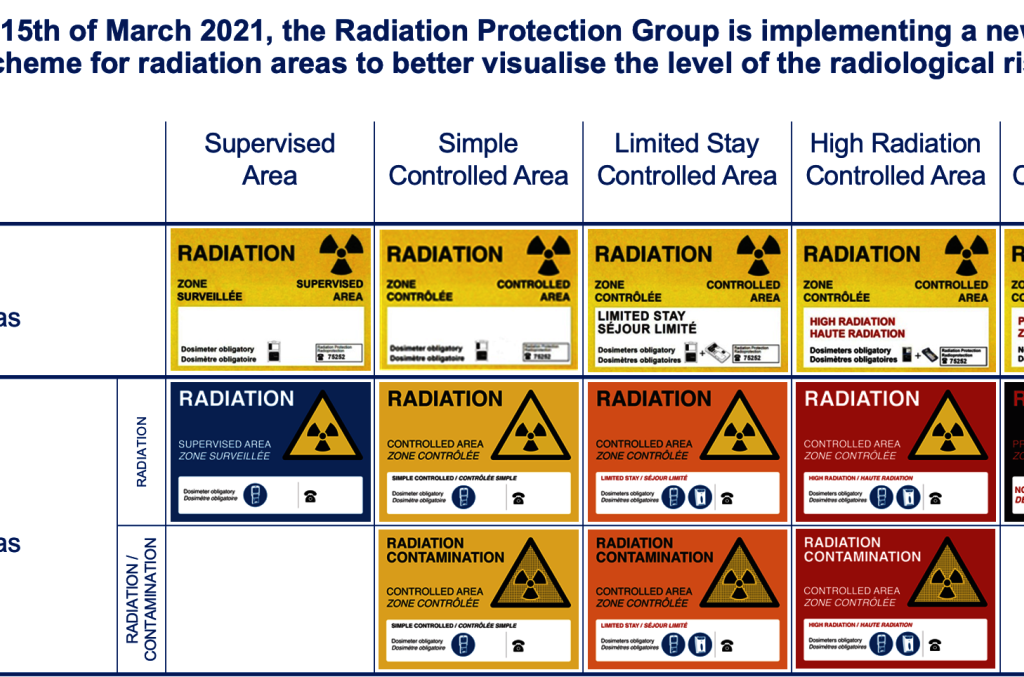
CERN implements a tiered access system that restricts entry to high-radiation areas. These zones are clearly demarcated, and only authorized personnel with appropriate training and clearance are permitted to enter. This layered approach minimizes unnecessary exposure and ensures that safety protocols are rigorously followed.
Emergency Preparedness and Response
In addition to preventive measures, CERN has established detailed emergency response plans to address potential radiation incidents. These protocols outline immediate actions to protect individuals and contain hazards, ensuring a swift and coordinated reaction to any unforeseen events.
Scientific Research on Radiation Effects
CERN actively supports research aimed at understanding the biological impacts of radiation exposure. By funding and participating in studies that examine radiation’s effects on living organisms, the organization continuously refines its safety standards. This commitment to evidence-based practice enhances both internal safety and contributes valuable knowledge to the global scientific community.
Impact on Surrounding Communities
Concerns about radiation exposure extend beyond CERN’s boundaries to the neighboring populations. However, due to the facility’s robust shielding and safety infrastructure, radiation levels in the surrounding areas are comparable to or even lower than those found in typical urban environments. CERN maintains transparent communication with local communities, providing information and reassurance about safety measures to foster public trust.
Why Radiation Safety at CERN Is Crucial
The importance of rigorous radiation safety at CERN cannot be overstated. It ensures that the pursuit of fundamental scientific knowledge does not compromise the health and well-being of researchers, staff, or the public. By integrating advanced technology, strict protocols, and ongoing education, CERN exemplifies how cutting-edge research can coexist with a steadfast commitment to safety.
Summary: Balancing Discovery and Safety
CERN represents a unique intersection of scientific ambition and meticulous safety management. The organization’s comprehensive approach to radiation protection transforms a potentially hazardous element into a controlled and manageable aspect of experimental physics. This balance allows scientists to explore the universe’s deepest mysteries while safeguarding human health, demonstrating that responsible innovation is both possible and essential.
FAQ
What safety measures does CERN have in place for radiation?
CERN employs advanced radiation monitoring systems, personnel training, controlled access, emergency preparedness, and supports scientific research on radiation effects to ensure safety.
Is the radiation level around CERN safe for the public?
Yes, radiation levels in surrounding areas are comparable to or lower than typical urban environments, due to CERN’s extensive safety measures.




Leave a Reply