
Short Answer
Definition of Nuclear Medicine and Scholarship Opportunities
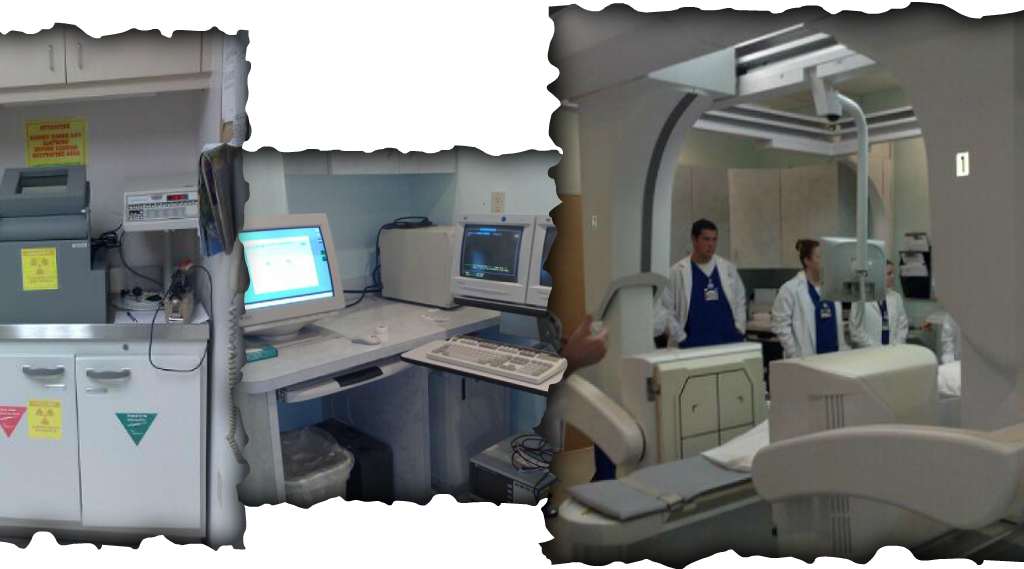
Nuclear medicine is a specialized branch of medical science that integrates nuclear physics principles with clinical applications, employing radioactive substances for both diagnostic imaging and therapeutic treatments. This field plays a pivotal role in detecting and managing various diseases, particularly cancers, by enabling precise visualization and targeted interventions. The dynamic nature of nuclear medicine, especially its contributions to personalized medicine, makes it a compelling area for advanced study and research.
International scholarships in nuclear medicine provide financial aid and academic support to students and professionals aiming to deepen their expertise in this domain. These scholarships are often offered by global organizations, universities, and governmental bodies to foster innovation and cultivate skilled practitioners worldwide.
Overview of the Nuclear Medicine Scholarship Landscape
Before applying for scholarships, it is essential to understand the diverse sources of funding available. Numerous international entities, such as the International Atomic Energy Agency (IAEA) and the World Nuclear Association, offer scholarships to promising candidates globally. Additionally, many universities with reputable nuclear medicine programs maintain their own scholarship funds. Prospective applicants should conduct thorough research to identify scholarships that align with their qualifications, noting eligibility requirements, deadlines, and necessary documentation.
Academic and Professional Requirements for Applicants
Successful scholarship candidates typically demonstrate strong academic performance, particularly in subjects like physics, biology, and related sciences. High academic standing is crucial to establish credibility and competitiveness. Beyond grades, practical experience is highly valued; internships, clinical rotations, or research projects in hospitals or laboratories provide hands-on exposure that enriches understanding and enhances the applicant’s profile.
Developing a Competitive Application
Crafting a Detailed Curriculum Vitae
A well-structured curriculum vitae (CV) is fundamental to the application process. It should comprehensively showcase academic achievements, research involvement, professional affiliations, and relevant extracurricular activities. Highlighting any publications, presentations, or projects related to nuclear medicine can significantly differentiate an applicant. Tailoring the CV to reflect the scholarship’s mission and values demonstrates alignment and commitment.
Composing a Convincing Personal Statement
The personal statement offers a platform to express one’s passion for nuclear medicine, motivations for pursuing advanced study, and envisioned contributions to the field. Effective statements weave personal experiences with professional aspirations, illustrating a clear and compelling narrative that resonates with selection committees.
Obtaining Strong Letters of Recommendation
Letters of recommendation are critical endorsements that validate an applicant’s academic capabilities and character. Ideal referees include professors, research mentors, or clinical supervisors familiar with the candidate’s work. Providing recommenders with detailed information about the scholarship and the applicant’s goals enables them to write focused and impactful letters.
Application Process and Interview Preparation
Some scholarship programs incorporate interviews to assess candidates’ knowledge, motivation, and suitability. Preparing for these interviews involves anticipating questions about nuclear medicine’s current challenges, personal career objectives, and the applicant’s understanding of the field. Engaging in mock interviews can enhance confidence and communication skills. Demonstrating professionalism and enthusiasm during the interview is essential to make a positive impression.
Networking and Community Engagement in Nuclear Medicine
Active participation in the nuclear medicine community can open doors to scholarship opportunities and mentorship. Attending conferences, workshops, and joining professional organizations facilitates connections with experts and peers. Online platforms and academic forums dedicated to nuclear medicine also serve as valuable resources for information exchange and networking.
Post-Application Etiquette and Follow-Up
After submitting applications, it is advisable to send courteous follow-up communications to scholarship committees, expressing gratitude and reaffirming interest. Regardless of the outcome, thanking recommenders and mentors maintains positive relationships that can support future academic and professional endeavors.
Significance of Pursuing Nuclear Medicine Scholarships
Securing an international scholarship in nuclear medicine is a demanding yet fulfilling pursuit that can significantly advance one’s career. It enables access to cutting-edge education and research opportunities, fostering the development of skilled professionals who contribute to medical innovation and improved patient care worldwide. The strategic approach to scholarship applications not only enhances individual prospects but also supports the broader growth of this vital medical specialty.
FAQ
What is nuclear medicine?
Nuclear medicine is a specialized field that uses radioactive substances for diagnostic imaging and therapeutic treatments.
What are the eligibility requirements for nuclear medicine scholarships?
Candidates typically need strong academic performance in relevant sciences, along with practical experience in the field.
How can I prepare for a scholarship interview?
Prepare by anticipating questions about nuclear medicine challenges and your career objectives, and consider mock interviews.



Leave a Reply