
Short Answer
Definition of an Atomic Bomb
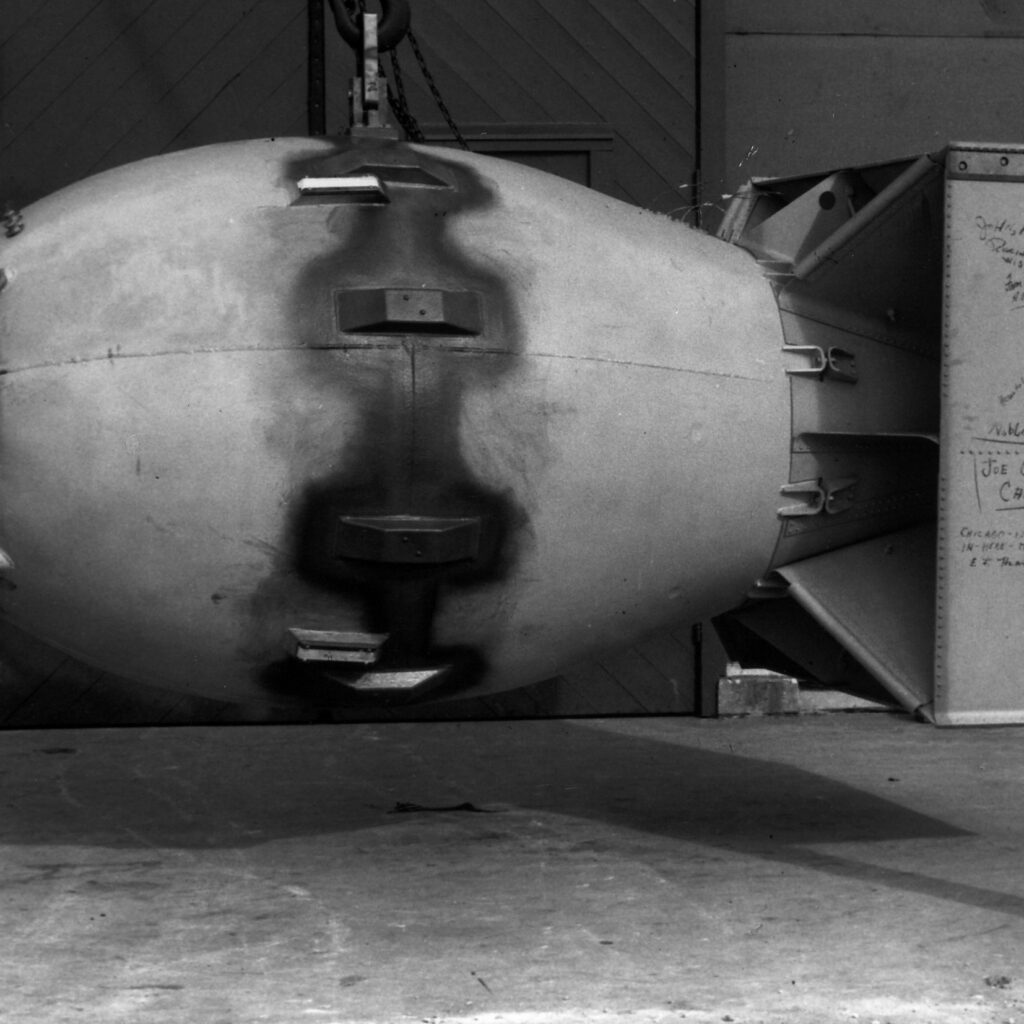
An atomic bomb is a powerful explosive device that derives its destructive force from nuclear reactions, specifically nuclear fission. This weapon releases an immense amount of energy by splitting heavy atomic nuclei into smaller fragments, resulting in a rapid chain reaction. The development and use of atomic bombs have had profound effects on global politics, warfare, and ethical debates since their inception in the 20th century.
Fundamental Scientific Principles
The core scientific mechanism behind an atomic bomb is nuclear fission. This process involves the division of heavy atomic nuclei, such as uranium-235 or plutonium-239, into lighter nuclei, accompanied by the release of a tremendous quantity of energy and additional neutrons. These neutrons then trigger further fission events, creating a self-sustaining chain reaction that culminates in an explosive release of energy.
- Nuclear Fission:
The splitting of a heavy nucleus into smaller parts, releasing energy and neutrons. - Fissile Materials:
Isotopes like uranium-235 and plutonium-239 capable of sustaining a rapid chain reaction.
Sources and Preparation of Fissile Materials
The initial step in assembling an atomic bomb involves obtaining and preparing fissile materials. Natural uranium contains only about 0.7% uranium-235, necessitating enrichment processes to increase this concentration to weapons-grade levels. Common enrichment techniques include gas diffusion, gas centrifugation, and laser-based methods, each with varying degrees of complexity and proliferation risk.
Plutonium-239, on the other hand, is not naturally abundant and must be synthesized in nuclear reactors. This is achieved by irradiating uranium-238 with neutrons, which transforms it through beta decay into plutonium-239. The extraction and purification of plutonium require advanced fuel reprocessing technologies, adding layers of technical difficulty and safety concerns.
Design Architectures of Atomic Bombs
Atomic bombs are engineered using two primary design methodologies: the gun-type assembly and the implosion technique.
- Gun-Type Assembly:
This simpler design propels one sub-critical mass of uranium-235 into another using conventional explosives, rapidly achieving a supercritical mass and initiating a chain reaction. Due to its design constraints, this method is generally limited to uranium-based weapons. - Implosion Method:
More complex and efficient, this design surrounds a sub-critical plutonium-239 core with shaped conventional explosives. When detonated, these explosives compress the core symmetrically, increasing its density to a supercritical state and triggering the nuclear explosion. Precise timing and arrangement of detonators are critical for this method’s success.
Critical Mass and Chain Reaction Dynamics
Critical mass refers to the smallest amount of fissile material required to sustain an ongoing nuclear chain reaction. Achieving and maintaining this state is essential for the bomb’s detonation. Factors influencing critical mass include the purity and shape of the fissile material, the presence of neutron reflectors that bounce escaping neutrons back into the core, and the overall configuration of the device. The efficiency of the chain reaction directly affects the bomb’s explosive yield.
Role of Neutron Initiators
To reliably start the chain reaction at the precise moment of detonation, atomic bombs utilize neutron initiators. These devices emit a burst of neutrons that prompt the fissile material to undergo fission immediately. Common initiators employ combinations such as polonium-beryllium or polonium-gold, which exploit alpha particle emissions to generate neutrons, thereby enhancing the bomb’s efficiency and yield.
Safety Protocols and Strategic Implications
Despite their destructive purpose, atomic bombs incorporate multiple safety mechanisms designed to prevent accidental detonation. These include fail-safe switches, environmental sensors, and advanced electronic controls that ensure the weapon only detonates under intended conditions. Beyond technical safeguards, the existence of atomic bombs plays a significant role in global deterrence strategies, raising complex ethical and political questions about their possession and potential use.
Historical and Ethical Context
The development of atomic bombs marked a pivotal moment in human history, influencing international diplomacy, military strategy, and ethical discourse. The immense power of nuclear weapons has prompted ongoing debates about non-proliferation, disarmament, and the moral responsibilities of nations. Understanding the scientific and technical aspects of atomic bombs is crucial for informed discussions on their role in maintaining global security and preventing catastrophic conflict.
Summary
The construction of an atomic bomb is a multifaceted process that intertwines advanced nuclear physics, engineering precision, and profound ethical considerations. From the enrichment of fissile materials to the intricate design of detonation mechanisms, each stage reflects a balance between scientific innovation and the grave consequences of nuclear weaponry. As the world continues to grapple with the legacy and future of atomic arms, knowledge and vigilance remain essential in shaping a safer global landscape.
FAQ
What is nuclear fission?
Nuclear fission is the splitting of a heavy atomic nucleus into smaller parts, releasing energy and neutrons.
Why is uranium-235 important for atomic bombs?
Uranium-235 is fissile and capable of sustaining a rapid chain reaction necessary for the bomb's explosion.
How is plutonium-239 produced?
Plutonium-239 is produced in nuclear reactors by irradiating uranium-238 with neutrons followed by chemical extraction.
What is the difference between gun-type and implosion bomb designs?
Gun-type bombs fire one sub-critical uranium mass into another to achieve criticality, while implosion bombs compress a plutonium core using shaped explosives.
What safety measures prevent accidental atomic bomb detonation?
Multiple fail-safe switches, environmental sensors, and electronic controls ensure detonation only under intended conditions.





Leave a Reply