

Short Answer
Definition of Fiber Optic Communication
Fiber optic communication refers to the transmission of data as pulses of light through slender strands of glass or plastic fibers. Unlike traditional copper cables that use electrical signals, fiber optics leverage light to carry information, enabling significantly faster and more efficient data transfer. This technology has revolutionized internet connectivity by providing superior upload and download speeds, making it a critical component in modern digital infrastructure.
Fundamental Principles of Fiber Optics
The core mechanism behind fiber optic communication involves the propagation of light signals within an optical fiber, which consists of three main layers: the core, cladding, and protective outer jacket.
- Core:
The central part of the fiber where light travels. It is made of highly transparent glass or plastic. - Cladding:
Surrounds the core and has a lower refractive index, which causes light to reflect internally, preventing signal loss. - Outer Jacket:
Provides physical protection to the fiber from environmental damage.
This structure enables total internal reflection, allowing light to bounce along the core with minimal attenuation, even over long distances.
How Fiber Optics Achieve High Upload Speeds
Fiber optic cables transmit data at speeds approaching the speed of light, typically between 70% and 90% of light’s velocity in a vacuum. This is significantly faster than electrical signals in copper cables, which travel at roughly two-thirds the speed of light. The high speed of light transmission directly translates to faster upload and download rates, often exceeding 1 gigabit per second (Gbps).
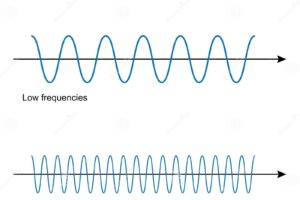
Moreover, fiber optics utilize a technique called wavelength division multiplexing (WDM), which allows multiple light wavelengths to be sent simultaneously through a single fiber. This multiplexing dramatically increases the data capacity, enabling numerous data streams to coexist without interference, thus boosting overall upload speeds.
Technical Advantages Over Copper Wiring
- Immunity to Electromagnetic Interference (EMI):
Fiber optic cables are not affected by electromagnetic noise from external sources, unlike copper cables, which can suffer from signal degradation due to EMI. - Reduced Signal Loss:
The total internal reflection within the fiber core minimizes attenuation, allowing data to travel longer distances without the need for signal boosters. - Higher Bandwidth Capacity:
Fiber optics support much greater bandwidth than copper, accommodating larger volumes of data with fewer restrictions.
Network Architecture and Its Impact on Upload Speeds
Modern network designs, such as Fiber-to-the-Home (FTTH), deliver fiber optic connections directly to residences and businesses. This approach eliminates the bottleneck caused by copper “last-mile” connections, ensuring that users can fully exploit the high bandwidth and speed capabilities of fiber optics. FTTH deployments are instrumental in providing consistent, high-speed upload performance, even during periods of heavy network usage.
Environmental and Practical Benefits
Fiber optic cables are lighter and less bulky than copper wires, simplifying installation in dense urban environments and reducing physical infrastructure challenges. Their durability and resistance to environmental factors contribute to lower maintenance costs and longer service life. Additionally, fiber optic systems consume less energy during data transmission compared to copper networks, making them a more sustainable choice for large-scale deployments.
Real-World Applications of Fiber Optic Upload Speeds
The enhanced upload capabilities of fiber optics support a wide range of modern applications:
- Cloud Computing:
Fast upload speeds enable seamless data synchronization and backup to cloud servers. - Video Conferencing:
High-quality, real-time video communication relies on robust upload bandwidth. - Online Gaming:
Low latency and rapid data exchange improve gaming experiences. - Internet of Things (IoT):
Efficient data transmission from numerous connected devices depends on reliable high-speed networks.
Common Misconceptions About Fiber Optics
Fiber optic cables are fragile and easily damaged.
While delicate, modern fiber cables are designed with protective coatings and jackets that make them durable and suitable for various environments.
Fiber optics are prohibitively expensive to install.
Although initial installation costs can be higher, the long-term benefits such as lower maintenance, higher speeds, and energy efficiency often offset these expenses.
Why Fiber Optic Upload Speeds Are Crucial
In an era dominated by digital communication, the ability to upload data quickly and reliably is essential. Fiber optic technology not only meets this demand but also enables innovations that depend on rapid data exchange, such as telecommuting, remote education, and smart city infrastructure. Its role in enhancing connectivity ensures that individuals and organizations can operate efficiently in an increasingly interconnected world.
Summary
The exceptional upload speeds offered by fiber optic communication arise from a combination of optical physics, advanced engineering, and strategic network deployment. By transmitting data as light through carefully designed fibers, this technology surpasses traditional copper wiring in speed, capacity, and reliability. As digital demands continue to grow, fiber optics will remain a foundational technology driving faster, more dependable internet connections worldwide.
FAQ
What is fiber optic communication?
Fiber optic communication is the transmission of data as pulses of light through glass or plastic fibers, enabling faster and more efficient data transfer.
How does fiber optics achieve high upload speeds?
Fiber optics transmit data at speeds approaching the speed of light and utilize wavelength division multiplexing to increase data capacity.





Leave a Reply