
Short Answer
Definition of Instrument Calibration in Music
Instrument calibration in the musical realm refers to the meticulous process of adjusting and tuning instruments to achieve accurate tonal qualities and precise sound measurements. This essential procedure ensures that instruments perform consistently and produce the intended auditory experience. Calibration bridges the gap between scientific principles and artistic expression, involving an understanding of acoustics, physics, and human auditory perception.
Fundamental Principles Behind Calibration
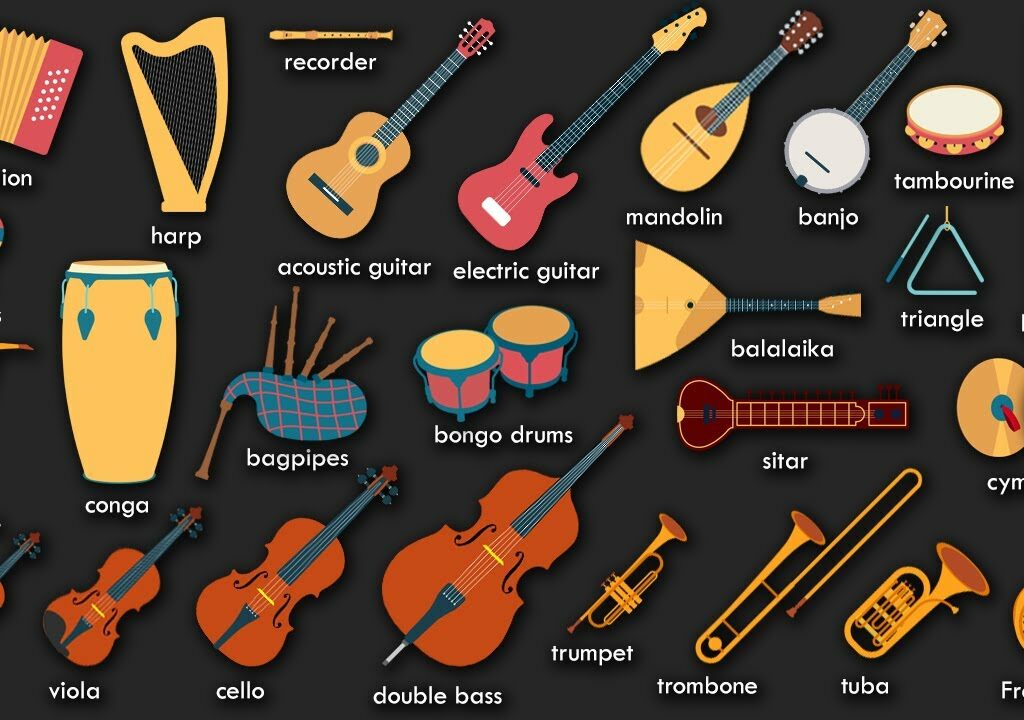
At its essence, calibration establishes standardized parameters that define how an instrument should sound and behave. Different families of instruments-such as strings, brass, woodwinds, and percussion-each demand unique calibration approaches due to their distinct sound production mechanisms and material characteristics. For example, the pitch and timbre of a violin depend heavily on string tension, vibrating length, and the composition of the strings themselves, all of which must be finely tuned to achieve the desired sound.
Physical and Environmental Factors Influencing Calibration
The calibration process begins with analyzing the physical attributes of an instrument, such as the body size of string instruments or the bore diameter in brass instruments, which directly affect sound wave propagation and resonance. For instance, the pitch of a flute is largely determined by its length and diameter-a longer flute produces lower frequencies, while a shorter one yields higher tones.
Calibration must also account for dynamic environmental variables. Materials like wood are particularly sensitive to humidity and temperature changes, which can alter an instrument’s tonal quality over time. Consequently, regular maintenance and recalibration are necessary to preserve optimal sound, a practice especially emphasized by luthiers who craft and repair string instruments.
Calibration Standards Across Musical Traditions
Calibration standards vary widely across cultures and musical genres, reflecting diverse aesthetic values and theoretical frameworks. Western music commonly employs the equal temperament tuning system, which divides an octave into twelve equal parts, facilitating harmonic consistency across keys. In contrast, musical traditions such as Indian classical music utilize microtonal scales that extend beyond the Western octave, incorporating subtle pitch variations that enrich melodic expression. This diversity highlights how calibration not only ensures precision but also safeguards cultural identity within music.
Technological Advances in Instrument Calibration
Modern electronic instruments and tuning devices have introduced sophisticated methods for calibration. Electronic tuners and pitch detection software analyze sound waves using advanced algorithms, offering real-time feedback that surpasses the accuracy achievable by the human ear alone. This integration of technology presents a compelling balance between mechanical precision and the musician’s intuitive judgment, reshaping contemporary tuning practices.
Perceptual and Artistic Dimensions of Calibration
Human perception plays a crucial role in how calibration is approached. The ear’s sensitivity to pitch is influenced by cognitive phenomena such as auditory masking and the harmonic series, making tuning a subjective experience. Musicians often tailor calibration to their stylistic preferences-for example, a jazz trumpeter might opt for a slightly looser tuning to create a warmer tone, whereas a classical performer may adhere strictly to standardized pitch to maintain ensemble cohesion. Thus, calibration transcends technical adjustment, becoming an expressive artistic choice.
Psychological and Ritualistic Aspects
The act of tuning an instrument frequently carries ritualistic significance for musicians. Pre-performance tuning routines serve as a form of connection between the artist and their instrument, transforming calibration into an interactive and emotional process. This ritual not only prepares the instrument but also helps the musician mentally engage with the forthcoming performance, enhancing the overall musical experience for both performer and audience.
Balancing Tradition and Innovation in Calibration
The evolution of calibration techniques reflects an ongoing dialogue between preserving traditional craftsmanship and embracing technological innovation. Digital tuners, pitch analysis tools, and artificial intelligence have expanded the possibilities for precise tuning and tonal exploration. However, this progress also raises questions about maintaining the authenticity and character imparted by conventional methods, underscoring the complex relationship between heritage and modernity in music.
Why Instrument Calibration Is Essential
Calibration is a vital process that encapsulates the intersection of science, culture, and artistry within music. It ensures that instruments produce accurate and consistent sounds, enabling musicians to communicate effectively and audiences to experience music as intended. Beyond technical accuracy, calibration embodies the dynamic interplay of objective measurement and subjective interpretation, making it a cornerstone of musical expression and innovation.
FAQ
What is instrument calibration in music?
Instrument calibration in music is the process of adjusting and tuning musical instruments to ensure accurate pitch, tone, and sound quality.
Why is calibration important for musical instruments?
Calibration helps maintain intended sound quality, consistency across performances, and preserves cultural tuning standards.
How do environmental factors affect instrument calibration?
Humidity and temperature changes can affect instrument materials, especially wood, causing pitch and tone variations that require recalibration.
What role does technology play in instrument calibration?
Electronic tuners and pitch detection algorithms provide precise real-time feedback, improving tuning accuracy beyond traditional methods.



Leave a Reply