
Short Answer
Definition of Atomic or Radio-Controlled Wristwatches
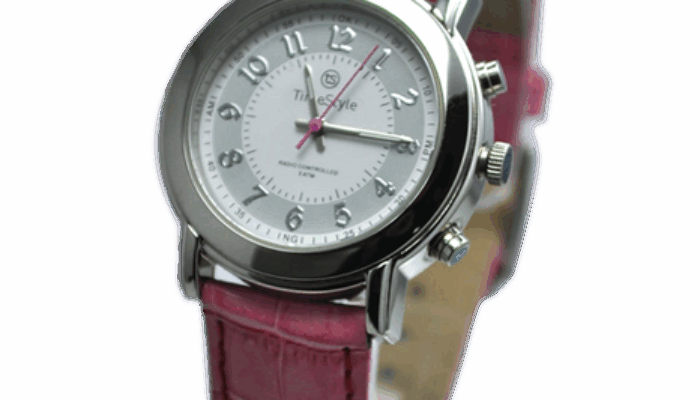
Atomic or radio-controlled wristwatches are advanced timekeeping devices that combine precision engineering with modern communication technologies. Unlike traditional watches, these timepieces synchronize their timekeeping with atomic clocks via radio signals, delivering exceptional accuracy. This synchronization ensures that the watch maintains precise time by regularly updating itself according to the world’s most accurate time standards.
Materials and Construction
The creation of an atomic wristwatch begins with the careful selection of premium materials. Typically, the watch cases are crafted from stainless steel or titanium, chosen for their durability, corrosion resistance, and wear resistance. These materials not only protect the delicate internal mechanisms but also contribute to the watch’s aesthetic appeal. The casing is engineered to securely house the intricate components responsible for the watch’s precise timekeeping capabilities.
Quartz Movement and Its Role
Central to the atomic wristwatch is the quartz movement, renowned for its accuracy. Quartz is a piezoelectric crystal that vibrates at a consistent frequency when subjected to an electric current. This steady vibration forms the basis for precise time measurement. However, quartz oscillations can be affected by environmental factors such as temperature changes, which may cause slight deviations. To counteract this, atomic watches often integrate temperature compensation systems that stabilize the quartz frequency, ensuring consistent accuracy.
Radio Signal Synchronization Technology
To maintain synchronization with atomic clocks, these watches incorporate a miniature radio receiver designed to capture time signals broadcast from atomic timekeeping stations. These signals, transmitted at regular intervals, carry precise time data aligned with Coordinated Universal Time (UTC). The radio receiver must be highly sensitive to detect these often faint signals over long distances while fitting within the compact wristwatch form factor.
Components of the Radio Receiver
- Antenna:
Captures incoming radio signals from atomic clock transmitters located worldwide. - Demodulator:
Converts the received analog radio signals into digital data suitable for processing. - Decoder:
Interprets the digital time information and adjusts the watch’s internal quartz movement accordingly.
Manufacturing Techniques and Technological Innovations
Modern atomic wristwatch production leverages state-of-the-art manufacturing technologies such as automated machinery, laser cutting, and precision molding. These methods ensure that each component meets exacting tolerances, which is critical for the flawless interaction of the watch’s complex mechanisms. Even minor misalignments can compromise the watch’s performance, making precision manufacturing indispensable.
Advances in materials science have also introduced new composites and surface treatments that enhance both durability and visual appeal. For example, luminescent coatings applied to watch hands and hour markers improve readability in dim lighting. Additionally, many models feature sapphire crystal glass, prized for its scratch resistance and optical clarity, which further elevates the watch’s functionality and elegance.
Assembly and Quality Assurance
The assembly phase is a pivotal step where expert horologists meticulously piece together the watch’s components using specialized tools such as tweezers. The integration of the casing, movement, and dial demands exceptional precision to preserve the watch’s operational integrity. Following assembly, each timepiece undergoes comprehensive testing to verify the accuracy of its timekeeping and its ability to synchronize flawlessly with atomic signals.
Calibration and Self-Adjustment Features
After assembly, atomic wristwatches are calibrated to ensure they display the correct time. Many contemporary models include self-calibration capabilities, allowing them to automatically adjust for environmental variations like temperature and humidity. These adjustments help maintain the stability of the quartz oscillator and the overall precision of the watch.
Packaging and Distribution
Once the watches pass rigorous quality control, they are carefully packaged. The packaging often reflects the brand’s identity, ranging from minimalist elegance to elaborate presentation boxes. This final stage symbolizes the culmination of extensive research, engineering, and craftsmanship invested in each atomic wristwatch.
Significance and Impact on Horology
Atomic wristwatches represent a transformative evolution in the field of horology. They transcend the traditional role of wristwatches as mere time-telling instruments, embodying a sophisticated blend of scientific innovation and artisanal craftsmanship. By integrating cutting-edge technology with high-quality materials and meticulous assembly, these watches redefine precision timekeeping and deepen our appreciation for the science behind measuring time. Their continued development ensures that atomic wristwatches remain at the forefront of timekeeping technology, reshaping how society interacts with and perceives time.
FAQ
How do atomic wristwatches synchronize with atomic clocks?
Atomic wristwatches receive time signals from atomic clock stations via built-in radio receivers, which then adjust the watch's quartz movement to maintain precise time.
What materials improve the durability of atomic wristwatches?
Materials such as stainless steel, titanium, and sapphire crystal glass enhance durability, corrosion resistance, and scratch resistance in atomic wristwatches.
Why do atomic wristwatches use temperature compensation?
Temperature compensation corrects frequency deviations in quartz movements caused by environmental temperature changes, ensuring accurate timekeeping.
What manufacturing methods ensure precision in atomic wristwatches?
Techniques like automated machinery, laser cutting, and precision molding guarantee component accuracy and reliable assembly.





Leave a Reply