
Short Answer
Definition of Fossilized Raindrops
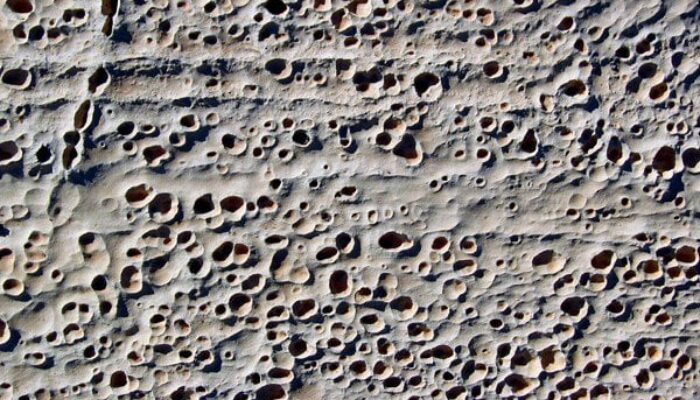
Fossilized raindrops are tiny impressions left by raindrops that fell onto soft sediment, which later hardened into rock, preserving these delicate marks through geological time. Far from being mere curiosities, these fossilized features serve as valuable records that connect modern scientific observations with the atmospheric conditions of Earth’s distant past. Each fossilized raindrop acts as a natural archive, offering insights into ancient climates and environmental changes.
Formation Process and Characteristics
The creation of fossilized raindrops involves the interaction between precipitation and sedimentary environments. When raindrops strike a pliable surface such as mud or fine sediment, they leave behind small depressions or impressions. Under favorable conditions-such as rapid burial and mineralization-these impressions become preserved within sedimentary rock layers. The shape and size of these fossilized marks, ranging from nearly spherical to elliptical, often correspond to the size and speed of the original raindrops, providing clues about the atmospheric density and weather patterns at the time.
Scientific Significance and Climatic Insights
Fossilized raindrops are not isolated phenomena but part of a broader suite of geological indicators, including pollen records and sediment textures, that collectively reconstruct past environmental conditions. These imprints help scientists interpret shifts in climate, revealing periods of humidity or aridity and correlating with known geological events. By studying these features, researchers gain a better understanding of how ancient ecosystems adapted to changing atmospheric conditions.
Indicators of Climatic Fluctuations
Periods marked by abundant fossilized raindrop impressions often suggest a wetter climate with a thriving hydrological cycle, supporting lush vegetation and diverse life forms. Conversely, layers with few or no raindrop fossils may indicate dry spells or droughts, reflecting significant environmental stress. Such evidence helps reconstruct the dynamic nature of Earth’s climate over millions of years.
Geographical Distribution and Paleoenvironmental Context
The locations where fossilized raindrops are found provide additional context for understanding ancient climates. For example, raindrop fossils discovered in regions that were once equatorial typically show characteristics consistent with heavy rainfall, while those from formerly arid zones display different morphologies. This spatial variation aids in tracing the migration and transformation of ecosystems in response to global climate changes, revealing complex interactions between flora, fauna, and their habitats.
Comparative Analysis Across Geological Eras
Examining fossilized raindrops from different geological periods, such as the warm and carbon dioxide-rich Mesozoic era, reveals how precipitation patterns have evolved. These changes influenced species distribution and biogeography, highlighting the role of atmospheric conditions in shaping biodiversity. Each fossilized raindrop thus serves as a snapshot of the climatic dialogue that influenced life on Earth during its time.
Implications for Modern Climate Understanding
Beyond their historical value, fossilized raindrops challenge current assumptions about climate stability. By comparing ancient climate variability with present-day trends, these fossils underscore the dynamic and often turbulent nature of Earth’s climate system. They remind us that what may seem like stable conditions are part of a continuum marked by fluctuations, offering perspective on how ecosystems might respond to ongoing anthropogenic climate change.
Aesthetic and Cultural Value
In addition to their scientific importance, fossilized raindrops possess a unique aesthetic appeal. The intricate patterns etched into sedimentary rock resemble delicate brushstrokes, captivating both scientists and enthusiasts alike. These natural artworks tell silent stories of Earth’s past, preserved in stone and inviting contemplation of the planet’s long and complex history.
Summary and Broader Impact
Fossilized raindrops encapsulate profound information about ancient atmospheric conditions, linking precipitation, geology, and biodiversity in a tangible form. By studying these subtle imprints, we gain valuable insights into Earth’s climatic evolution and the environmental forces that have shaped life over millions of years. As we continue to explore these natural records, they not only enrich our understanding of the past but also inform our perspective on current and future climate dynamics, emphasizing the interconnectedness of life and environment through time.
FAQ
What are fossilized raindrops?
Fossilized raindrops are impressions left by raindrops on soft sediment that have been preserved in rock.
Why are fossilized raindrops important?
They provide insights into ancient climate conditions and help reconstruct environmental changes over time.





Leave a Reply