

Short Answer
Definition
Dr. Parminder S. Basran is a leading expert at the crossroads of physics and oncology, dedicated to revolutionizing cancer treatment through innovative applications of physical sciences. His work focuses on deciphering the intricate mechanisms underlying cancer progression and improving therapeutic strategies by integrating physics-based methodologies.
The Integration of Physics and Oncology
The fusion of physics with biomedical sciences, especially in oncology, has ushered in significant advancements in both diagnosis and treatment. Dr. Basran’s research emphasizes the use of mathematical frameworks and physical laws to better understand cancer biology. By leveraging complex simulations and algorithmic models, he has pioneered approaches that predict tumor behavior and treatment responses, facilitating a shift toward personalized cancer care.
Computational Modeling for Cancer Prediction
A cornerstone of Dr. Basran’s contributions is the creation of sophisticated computational models designed to anticipate cancer progression. These models employ differential equations and principles from statistical mechanics to evaluate numerous factors influencing tumor growth, such as genetic mutations, changes in the tumor microenvironment, and individual patient characteristics. This predictive modeling enables clinicians to categorize patients based on their expected responsiveness to treatments, thereby enhancing therapeutic precision.
Advancements in Radiotherapy Through Physics
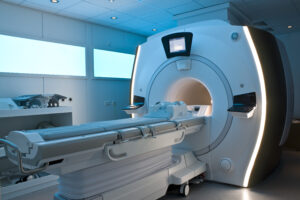
Radiotherapy remains a fundamental cancer treatment modality, and Dr. Basran has played a key role in refining its precision. By applying physical principles, he has helped develop targeted radiation therapies that utilize advanced imaging technologies like magnetic resonance imaging (MRI) and positron emission tomography (PET). These tools allow for dynamic monitoring of tumor changes during therapy, ensuring maximal destruction of cancer cells while protecting healthy tissue, which leads to better patient outcomes.
Nanotechnology in Targeted Drug Delivery
Exploring the realm of nanotechnology, Dr. Basran has contributed to the design of nanoparticle-based drug delivery systems that selectively home in on cancer cells. These engineered nanoparticles respond to specific stimuli within the tumor microenvironment to release therapeutic agents precisely where needed. This targeted approach not only boosts the effectiveness of chemotherapy but also reduces adverse systemic effects, marking a significant advancement in cancer pharmacotherapy.
Collaborative Approaches in Cancer Research
Dr. Basran’s success is deeply rooted in fostering interdisciplinary collaboration among physicists, biologists, oncologists, and computational scientists. This integrative research environment promotes the exchange of diverse perspectives, addressing the multifaceted nature of cancer and accelerating the translation of scientific discoveries into clinical applications.
The Impact of Artificial Intelligence in Oncology
The integration of artificial intelligence (AI) has further enhanced Dr. Basran’s work in cancer care innovation. By embedding machine learning techniques within his physical models, he has improved the accuracy of cancer outcome predictions. AI enables the analysis of extensive datasets, uncovering hidden patterns and relationships that traditional methods might miss. This advancement holds promise for reshaping therapeutic strategies and advancing personalized medicine.
Ethical Dimensions of Physics-Based Cancer Treatments
Despite the transformative potential of physics-driven oncology, ethical considerations remain paramount. Dr. Basran advocates for rigorous ethical standards in both research and clinical practice, emphasizing informed patient consent and the protection of sensitive health information. Balancing rapid technological progress with ethical responsibility is essential to maintain trust and integrity in cancer care.
Future Prospects in Physics-Driven Oncology
Looking ahead, the scope for physics-based innovations in cancer treatment is vast. Dr. Basran’s ongoing research into the interactions between physical forces and biological systems aims to uncover new therapeutic avenues. Notably, the emerging field of quantum biology offers exciting possibilities for understanding cellular mechanisms in cancer, potentially transforming existing treatment frameworks.
Why Physics Matters in Cancer Treatment
The application of physics in oncology is crucial for advancing cancer diagnosis and therapy. By providing tools to model tumor dynamics, enhance imaging precision, and develop targeted drug delivery systems, physics contributes to more effective and personalized treatments. This interdisciplinary approach not only improves patient outcomes but also drives innovation in medical technology and research methodologies.
Summary: The Transformative Role of Physics in Oncology
Dr. Parminder S. Basran exemplifies how the integration of physics into oncology can revolutionize cancer care. His diverse contributions-from computational modeling and nanotechnology to AI integration-highlight the importance of a holistic, interdisciplinary approach. As oncology continues to evolve, the synergy between physics and medicine promises to unlock new, more effective, and ethically sound cancer therapies, offering renewed hope to patients worldwide.
FAQ
What is Dr. Parminder S. Basran known for?
Dr. Parminder S. Basran is known for his innovative contributions to cancer treatment through the application of physics, particularly in computational modeling and radiotherapy.
How does physics contribute to cancer care?
Physics contributes to cancer care by providing tools for modeling tumor dynamics, enhancing imaging precision, and developing targeted drug delivery systems.
What role does artificial intelligence play in oncology?
Artificial intelligence enhances oncology by improving the accuracy of cancer outcome predictions and uncovering hidden patterns in extensive datasets.



Leave a Reply