
Short Answer
Understanding Climate Variability Through Urban Comparisons
In an era marked by fluctuating climate patterns, the influence of human activities manifests uniquely across different regions. A compelling illustration of this phenomenon emerges when comparing the climate histories of two distinct cities: Prague and Philadelphia. Despite both confronting the challenges posed by global warming, Prague has recently attracted attention for setting new temperature records, highlighting the uneven and localized nature of climate change impacts.
Definition and Climatic Profiles of Prague and Philadelphia
Each city’s climate is shaped by its geographical location and environmental context, resulting in distinct weather patterns and vulnerabilities.
- Prague:
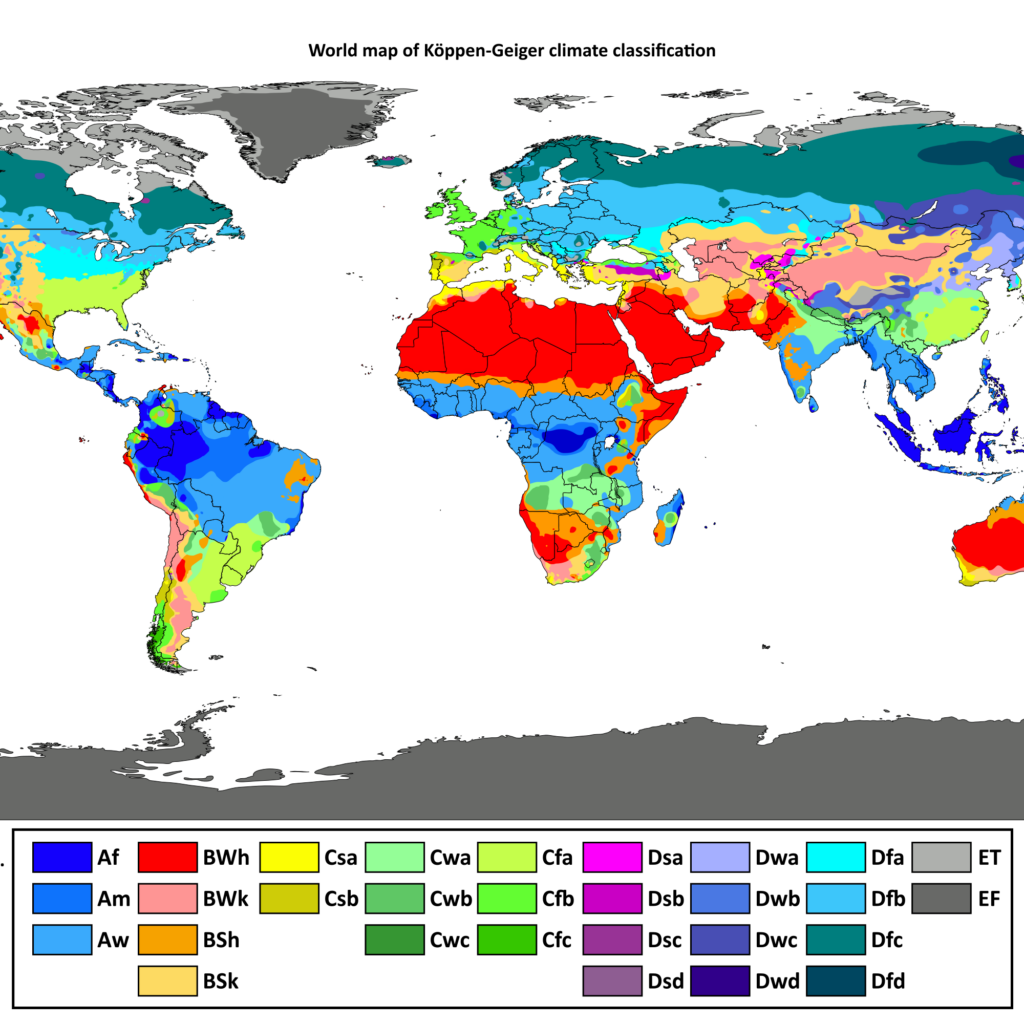
Situated in Central Europe, Prague experiences a temperate oceanic climate characterized by moderate seasonal variations. Its historical urban fabric and natural topography contribute to unique microclimates within the city. - Philadelphia:
Located in the northeastern United States, Philadelphia has a humid subtropical climate, marked by hot summers and cold winters. The city’s extensive urban sprawl and heat island effect exacerbate temperature extremes.
Recent Climatic Shifts and Record-Breaking Temperatures
The year 2023 marked a significant departure from historical climate norms in Prague, with temperatures reaching unprecedented highs. This event is not merely an isolated anomaly but signals broader shifts in regional climate dynamics. Conversely, Philadelphia has long contended with rising summer temperatures, yet the rapid changes observed in Prague underscore how climate change can manifest differently even within relatively close geographic proximities.
Mechanisms Behind Localized Climate Differences
The divergence in climate experiences between Prague and Philadelphia can be attributed to several factors:
- Topographical Influence:
Prague’s rivers, valleys, and historic architecture interact with atmospheric conditions to create localized weather phenomena that can intensify temperature extremes. - Urban Morphology:
The compact, centuries-old urban design of Prague contrasts with Philadelphia’s sprawling modern infrastructure, affecting heat retention and airflow patterns. - Cultural and Architectural Practices:
Traditional building techniques in Prague, emphasizing natural ventilation and thermal mass, offer resilience against temperature fluctuations, unlike Philadelphia’s reliance on modern materials and technology.
Urban Planning and Climate Adaptation
Addressing climate variability requires cities to adopt adaptive strategies that balance historical wisdom with contemporary innovation. Urban planning plays a critical role in mitigating climate risks through:
- Green Infrastructure:
Enhancing parks and green spaces to reduce urban heat islands and improve air quality. - Flood Management:
Implementing systems to manage increased precipitation and prevent urban flooding. - Sustainable Development:
Encouraging building designs and community practices that promote energy efficiency and resilience.
Socio-Economic Implications of Climate Change
Climate impacts are not experienced uniformly across populations. Vulnerable communities often face disproportionate risks due to limited resources and infrastructure. The contrasting climate records of Prague and Philadelphia highlight the need to consider social equity in climate response efforts, ensuring that adaptation and mitigation strategies are inclusive and just.
Why Monitoring Local Climate Records Matters
Tracking and analyzing temperature records at the city level provide critical insights into the pace and nature of climate change. These data inform policy decisions, urban planning, and community preparedness, emphasizing that climate change is an immediate and localized challenge rather than a distant global issue.
Real-World Examples of Climate Impact in Urban Settings
Both Prague and Philadelphia illustrate how cities experience and respond to climate change:
- Prague:
The recent heatwaves have affected biodiversity, altered growing seasons, and stressed water resources, prompting initiatives to integrate green roofs and enhance urban forestry. - Philadelphia:
Persistent summer heat has led to increased energy consumption for cooling, health risks for vulnerable populations, and investments in cooling centers and urban greening projects.
Common Misconceptions About Urban Climate Change
Climate change impacts are uniform across all cities.
Climate effects vary significantly depending on local geography, urban design, and socio-economic factors.
Historical architecture is obsolete in modern climate adaptation.
Traditional building methods can offer valuable lessons in resilience and sustainability.
Conclusion: Embracing Complexity in Climate Response
The contrasting climate experiences of Prague and Philadelphia underscore the multifaceted nature of global warming. Understanding localized impacts and integrating diverse approaches-from historical architectural wisdom to modern urban planning-are essential for building resilient cities. As climate change continues to reshape environments and societies, recognizing the unique narratives of each urban center will guide more effective and equitable adaptation strategies.
FAQ
How does climate change affect different cities?
Climate change impacts vary significantly based on local geography, urban design, and socio-economic factors.
What are some adaptive strategies for urban areas?
Cities can adopt green infrastructure, flood management, and sustainable development practices to mitigate climate risks.




Leave a Reply