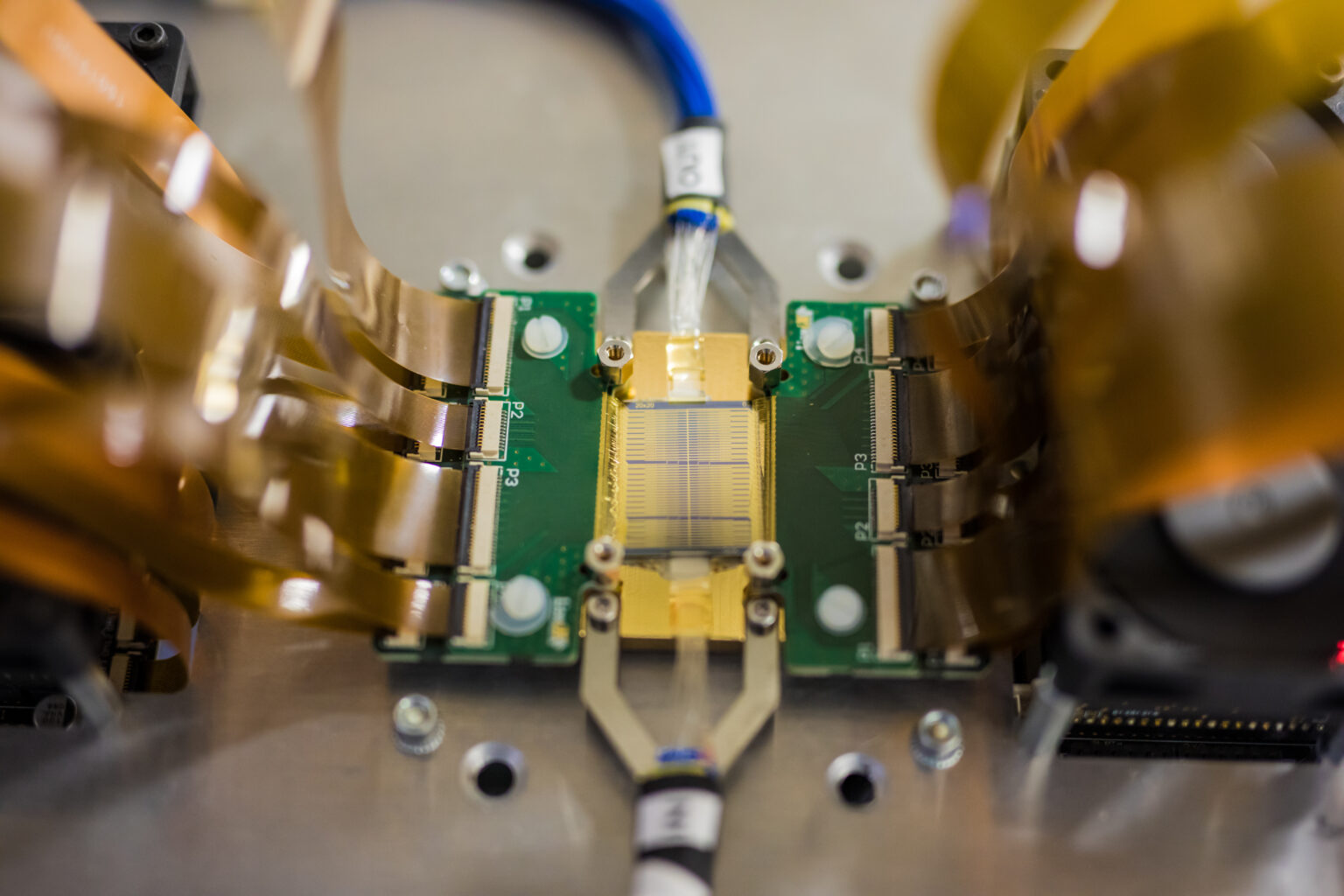
Are quantum computers faster than classical computers?

Understanding Quantum and Classical Computing The debate over whether quantum computers outperform classical computers remains a captivating and complex topic. To appreciate this discussion, it is essential to first distinguish the fundamental differences between these two computing paradigms. Definition of Classical Computing Classical computers have been the cornerstone of technology for decades, operating based on […]

Read More →

How many quantum programming languages are there?

Understanding Quantum Programming Languages Quantum programming languages are specialized tools designed to harness the unique capabilities of quantum computing. They translate complex quantum algorithms into executable instructions for quantum processors, bridging the gap between theoretical quantum mechanics and practical computation. These languages are essential for managing the intricate operations of quantum bits (qubits) and quantum […]

Read More →

Are quantum computers capable of running a C++ code?

Understanding Quantum Computing Quantum computing marks a revolutionary shift in how computations are performed, utilizing the principles of quantum mechanics to achieve processing speeds far beyond those of traditional computers. Unlike classical systems that rely on binary bits, quantum computers operate with quantum bits, or qubits, which can exist simultaneously in multiple states due to […]

Read More →

Why are Quantum Computers so interesting?

Understanding Quantum Computing Quantum computing represents a revolutionary approach to processing information, captivating scientists, engineers, and futurists worldwide. Rooted in the principles of quantum mechanics, this technology promises to transform computation by harnessing phenomena that defy classical logic. Its potential applications span diverse fields such as cryptography, optimization, and materials science, signaling a profound shift […]


Read More →

Will quantum computing enable more advanced AI?

Understanding Quantum Computing and Artificial Intelligence As we approach a new era in technology, the convergence of quantum computing and artificial intelligence (AI) raises an intriguing question: can quantum computing drive the evolution of more sophisticated AI systems? This question, while seemingly direct, unfolds a complex landscape of scientific, technical, and ethical considerations. The fusion […]

Read More →

Will existing Python programs work on quantum computers?

Understanding Quantum Computing Quantum computing signifies a revolutionary advancement in computational technology, comparable to the emergence of classical computing in the 20th century. Its primary appeal lies in the ability to execute highly complex calculations at speeds unattainable by traditional computers. This capability stems from quantum bits, or qubits, which can simultaneously exist in multiple […]

Read More →

What can quantum physics help me with?

Definition of Quantum Physics Quantum physics, also known as quantum mechanics, is a branch of science that investigates the behavior and properties of matter and energy at the smallest scales-typically at the level of atoms and subatomic particles. Unlike classical physics, which describes the macroscopic world, quantum physics reveals phenomena that often defy everyday intuition, […]

Read More →

What could we do with quantum entanglement?

Understanding Quantum Entanglement Quantum entanglement is a captivating phenomenon within quantum mechanics where two or more particles become interconnected in such a way that the state of one particle instantaneously influences the state of the other, regardless of the distance separating them. This non-local correlation defies classical physics’ constraints, suggesting a deep, intrinsic link between […]

Read More →

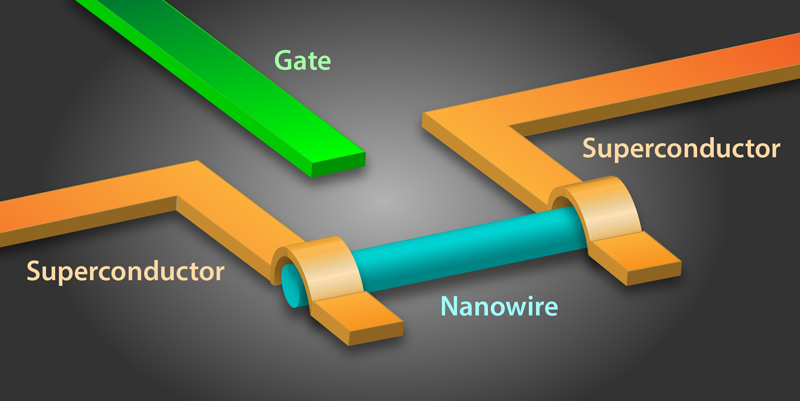
The superconducting quasicharge qubit – The Science Space?

Definition of Superconducting Quasicharge Qubits Superconducting quasicharge qubits represent a crucial innovation in quantum computing, merging the principles of superconductivity with quantum mechanics to create a powerful quantum information processing element. These qubits leverage the unique properties of superconducting materials to encode and manipulate quantum information, distinguishing themselves from classical bits by their ability to […]

Read More →

How does topological quantum computation work?

Definition of Topological Quantum Computation Topological quantum computation is an advanced approach to quantum information processing that harnesses the principles of topology-a mathematical discipline focused on properties of space that remain unchanged under continuous deformations. This method integrates quantum mechanics with topological concepts to create a framework for more stable and error-resistant quantum computing. By […]

Read More →