Can we use fermions for quantum computing?

Definition of Fermions in Quantum Computing Fermions are a class of subatomic particles that adhere to Fermi-Dirac statistics and play a pivotal role in the development of quantum computing. These particles, which include electrons, protons, and neutrons, are characterized by their compliance with the Pauli exclusion principle, which prohibits any two fermions from occupying the […]

Read More →

How does Shor’s algorithm work in layman’s terms?

Definition of Shor’s Algorithm Shor’s algorithm is a groundbreaking quantum algorithm developed by mathematician Peter Shor in 1994. It revolutionizes the approach to integer factorization by leveraging quantum computing principles, offering a method to efficiently decompose large numbers into their prime factors. This capability poses significant implications for cryptography, particularly in the context of data […]

Read More →

Are qubits (quantum bits) analog or digital in nature?

Understanding Qubits in Quantum Computing Within the field of quantum computing, the qubit, or quantum bit, occupies a unique position that bridges the gap between analog and digital realms. Serving as the fundamental unit of quantum information, the nature of qubits-whether analog or digital-raises profound questions about the core principles of computation, measurement, and the […]

Read More →

Can a quantum computer find all the digits of Pi?

Understanding Pi: Definition and Mathematical Significance Pi (π) is a fundamental mathematical constant representing the ratio between a circle’s circumference and its diameter. This transcendental number is characterized by an infinite, non-repeating decimal expansion, making it a subject of fascination and challenge for mathematicians throughout history. Its unending nature means that no finite sequence of […]

Read More →

What is quantum technology?

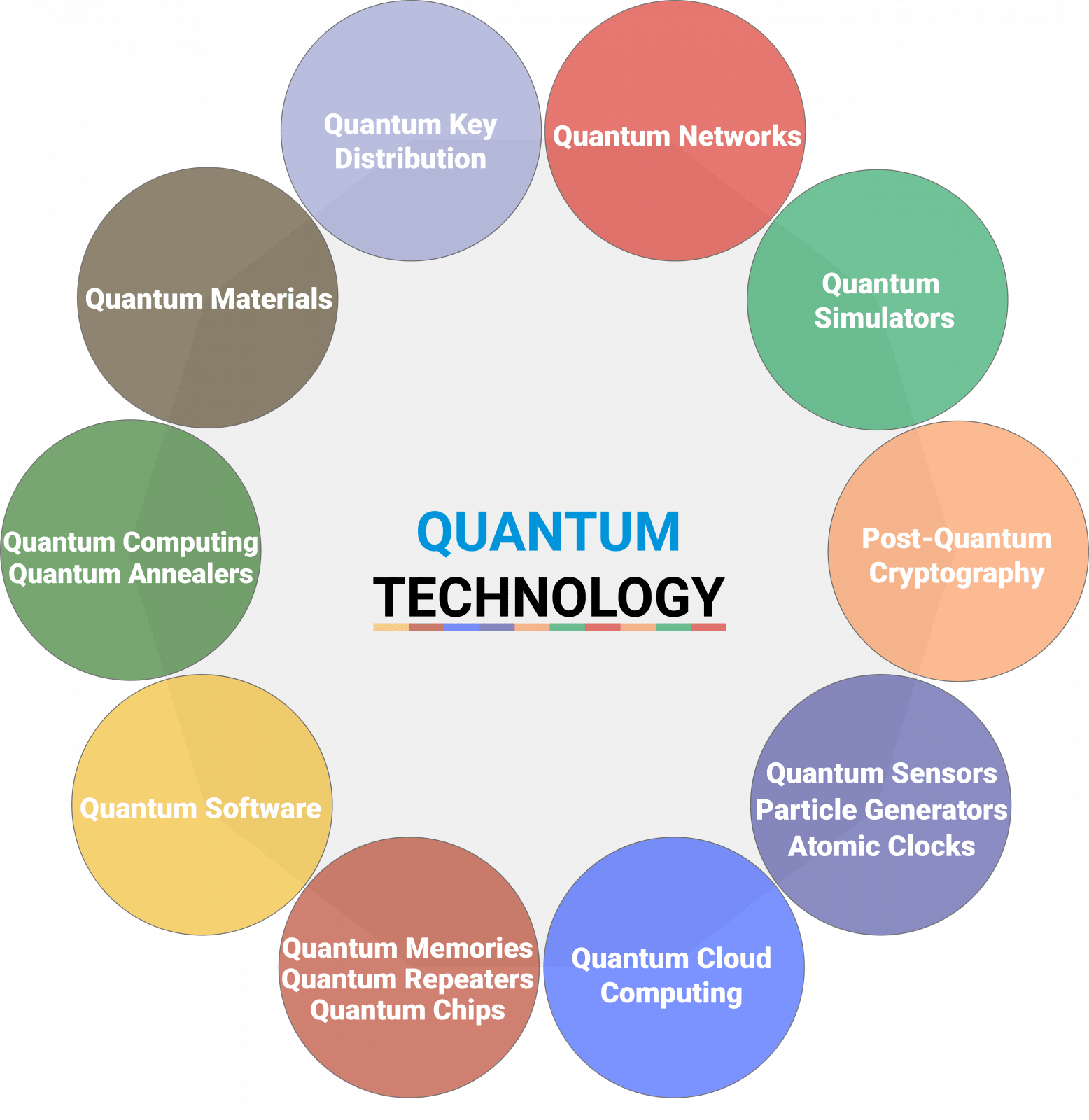
Definition of Quantum Technology Quantum technology represents a cutting-edge field at the intersection of physics and engineering, rooted in the principles of quantum mechanics-the fundamental framework describing the behavior of matter and energy at atomic and subatomic scales. This technology aims to exploit the unique and often counterintuitive properties of quantum systems to develop innovative […]

Read More →

Why do we need quantum computers? – The Science Space?

Understanding Quantum Computing Quantum computing marks a revolutionary shift in computational science, moving beyond the limitations of classical mechanics into the complex domain of quantum physics. This evolution signifies not only a dramatic enhancement in processing power but also the ability to tackle problems that classical computers find impossible or impractical to solve. To appreciate […]

Read More →

Are qubits just analog

Definition of Qubits A qubit, short for “quantum bit,” is the fundamental unit of quantum information, serving as the quantum counterpart to the classical bit. Unlike classical bits, which exist strictly as either 0 or 1, qubits operate under the principles of quantum mechanics, enabling them to exist in multiple states simultaneously. This unique characteristic […]

Read More →

What OS will quantum computers use and why?

Understanding Quantum Operating Systems As quantum computing approaches widespread implementation, a compelling question arises: what type of operating system (OS) will govern quantum computers, and what factors influence its design? Positioned at the crossroads of advanced technology and quantum physics, the creation of an OS tailored for quantum machines is a complex yet promising venture. […]

Read More →

What’s holding us back from quantum computing?

Understanding Quantum Computing Quantum computing represents a revolutionary shift from traditional computing paradigms, promising to vastly enhance computational power and tackle problems currently deemed unsolvable. Unlike classical computers that use bits as the smallest unit of data, quantum computers utilize quantum bits or qubits, which can exist in multiple states simultaneously due to the principles […]

Read More →

What are the prerequisites for learning quantum computing?

Definition of Quantum Computing Quantum computing represents a cutting-edge paradigm in computation that harnesses the principles of quantum mechanics to process information. Unlike classical computers, which use bits as the smallest unit of data, quantum computers utilize quantum bits or qubits, enabling them to perform complex calculations at unprecedented speeds. This emerging technology holds the […]

Read More →