Is quantum computing a scientific snake oil?

Understanding Quantum Computing and the “Snake Oil” Debate Quantum computing has sparked intense discussions across diverse fields, from physics research to corporate boardrooms. Its promise of computational speeds vastly exceeding those of traditional computers has captivated scientists and engineers worldwide. Yet, amid this excitement, a critical question emerges: Could quantum computing be considered a form […]

Read More →

What would be the equivalent of quantum truth table?

Understanding Classical Truth Tables Classical truth tables form the backbone of traditional logic by assigning definitive truth values-true (1) or false (0)-to logical propositions. These tables systematically list every possible combination of input values to determine the corresponding output, providing a clear and deterministic framework for evaluating logical statements. Rooted in Aristotelian principles, classical logic […]

Read More →

Why is it called quantum computing?

Definition of Quantum Computing Quantum computing represents a groundbreaking advancement in technology, rooted in the principles of quantum mechanics. Unlike traditional computing, which relies on classical bits as the smallest units of information, quantum computing harnesses quantum bits, or qubits, that embody the fundamental quanta of nature. These qubits operate under the laws of quantum […]

Read More →

Should we be fearful of Quantum Computers?

Understanding Quantum Computing Quantum computing represents a groundbreaking evolution in technology, distinguished by its ability to solve problems that are currently beyond the reach of classical computers. Unlike traditional computers that process information in binary bits-either 0 or 1-quantum computers utilize quantum bits, or qubits, which can exist in multiple states simultaneously due to the […]


Read More →

Which industry can use quantum technology the most?

Understanding Quantum Technology Quantum technology harnesses the principles of quantum mechanics to develop advanced computational and communication systems. Unlike classical technologies, which rely on binary bits, quantum systems use quantum bits or qubits that can exist in multiple states simultaneously, enabling unprecedented processing power and security features. Quantum Mechanics: The fundamental theory in physics describing […]

Read More →

up to Is the D-Wave One a true quantum computer?

Understanding Quantum Computing Quantum computing represents a revolutionary approach to processing information, fundamentally differing from classical computing by utilizing the principles of quantum mechanics. Instead of classical bits, which exist strictly as 0 or 1, quantum computers use quantum bits or qubits. These qubits possess the unique ability to exist in multiple states simultaneously through […]

Read More →

Will quantum computing be worthless?

Understanding Quantum Computing Quantum computing represents a revolutionary approach to processing information, distinct from classical computing. While traditional computers operate using bits that exist in one of two states-0 or 1-quantum computers employ quantum bits, or qubits, which can simultaneously exist in multiple states due to the principle of superposition. This fundamental difference enables quantum […]

Read More →

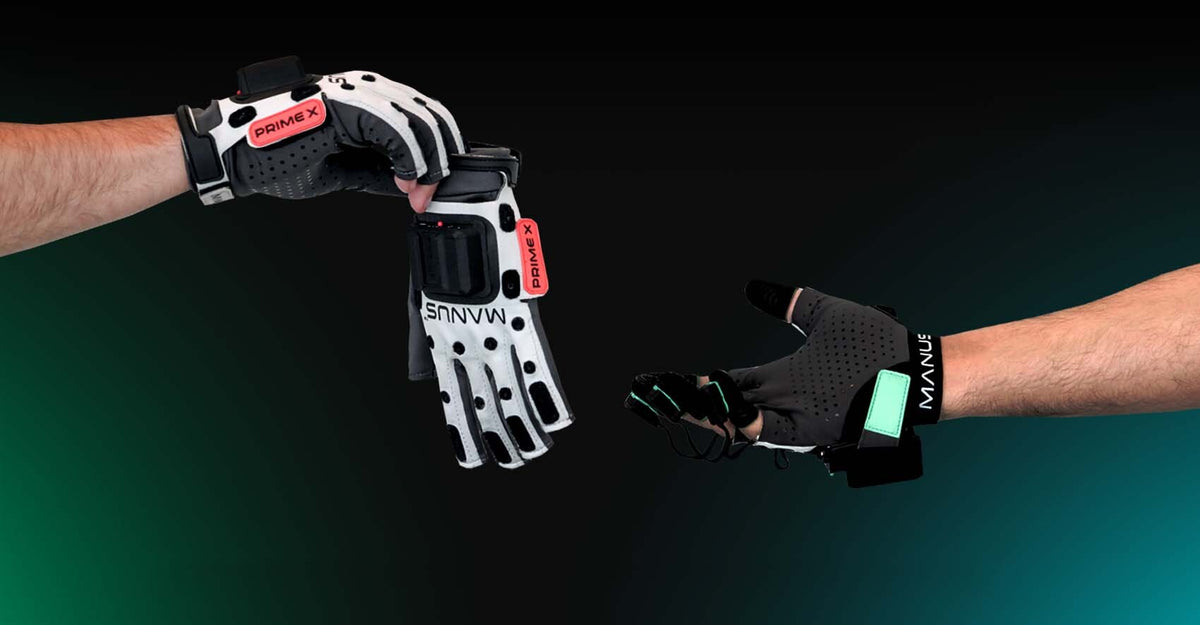
What’s the hardware architecture of Manus quantum-gloves?

Overview of Manus Quantum Metagloves The Manus Quantum Metagloves represent a groundbreaking innovation in virtual reality (VR) peripherals, designed to revolutionize how users interact within immersive digital environments. These gloves combine advanced sensor technology and ergonomic design to deliver precise fingertip tracking and intuitive human-computer interaction, setting a new standard for VR accessories. Core Components […]

Read More →

How harsh is the reality surrounding quantum computing?

Definition of Quantum Computing Quantum computing represents a cutting-edge field at the intersection of physics and computer science, focused on harnessing the principles of quantum mechanics to perform computations. Unlike traditional computing, which relies on binary bits, quantum computing utilizes quantum bits or qubits, enabling fundamentally different modes of information processing. Quantum Bits (Qubits): Qubits […]

Read More →