Can quantum computing change the world?

Understanding Quantum Computing Quantum computing is an innovative computational approach grounded in the principles of quantum mechanics. It has swiftly emerged as a significant area of research and development, promising to revolutionize how complex problems are solved. This technology raises a critical question: can quantum computing fundamentally transform our world? To answer this, it is […]

Read More →

Will China beat the US in quantum computing in the future?

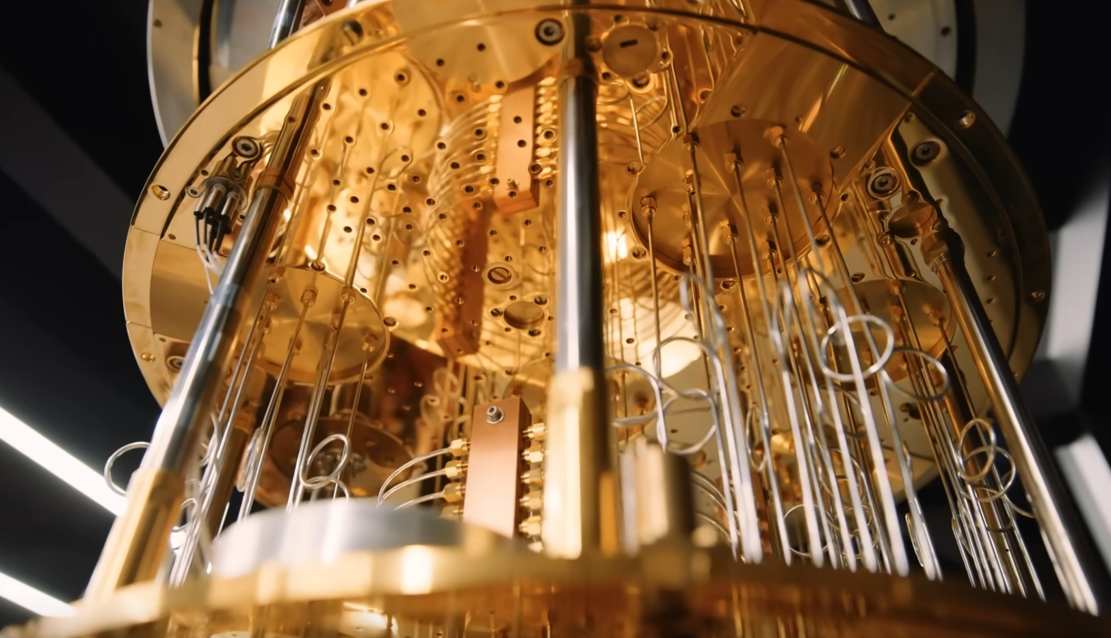
Understanding the Quantum Computing Race Quantum computing represents a revolutionary leap in computational power, poised to redefine the limits of classical computing. At the forefront of this technological contest are two global powerhouses: the United States and China. Both nations are channeling extensive resources and intellectual capital into quantum research, sparking a compelling debate about […]
Read More →

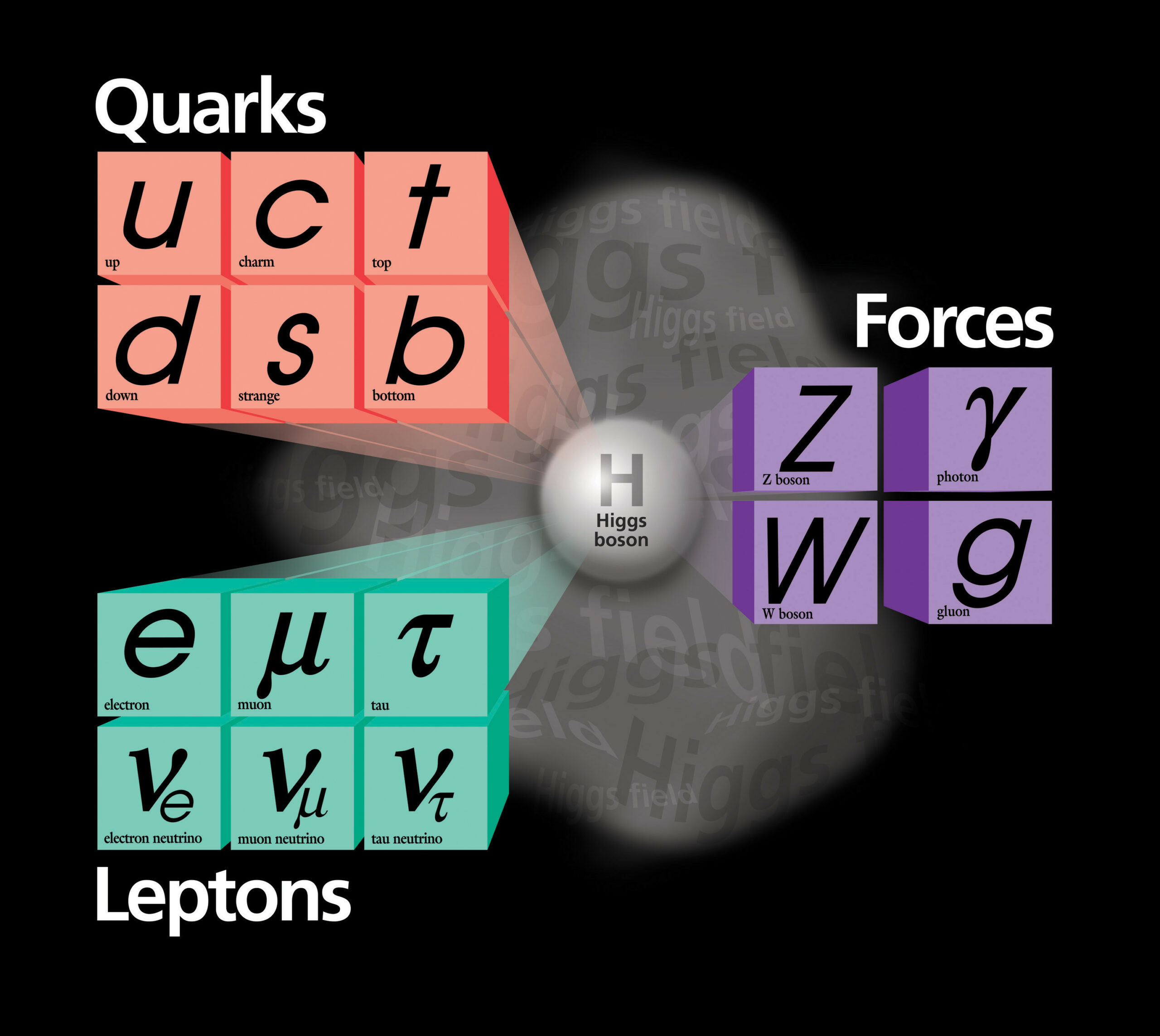
What is the quantum particle? Is it like a quark?

Definition of Quantum Particles Quantum particles are fundamental units of matter and energy that exhibit both particle-like and wave-like properties, a phenomenon central to the field of quantum mechanics. Unlike classical particles, which have definite positions and velocities, quantum particles exist in a probabilistic state where their exact location and momentum cannot be simultaneously determined […]

Read More →

What quantum computers can do?

Understanding Quantum Computing Quantum computing signifies a revolutionary approach to processing information, utilizing the principles of quantum mechanics to tackle problems that are either infeasible or extremely time-consuming for classical computers. This innovative technology has the potential to transform numerous fields, including cryptography, drug development, and complex system simulations. This article delves into the core […]

Read More →

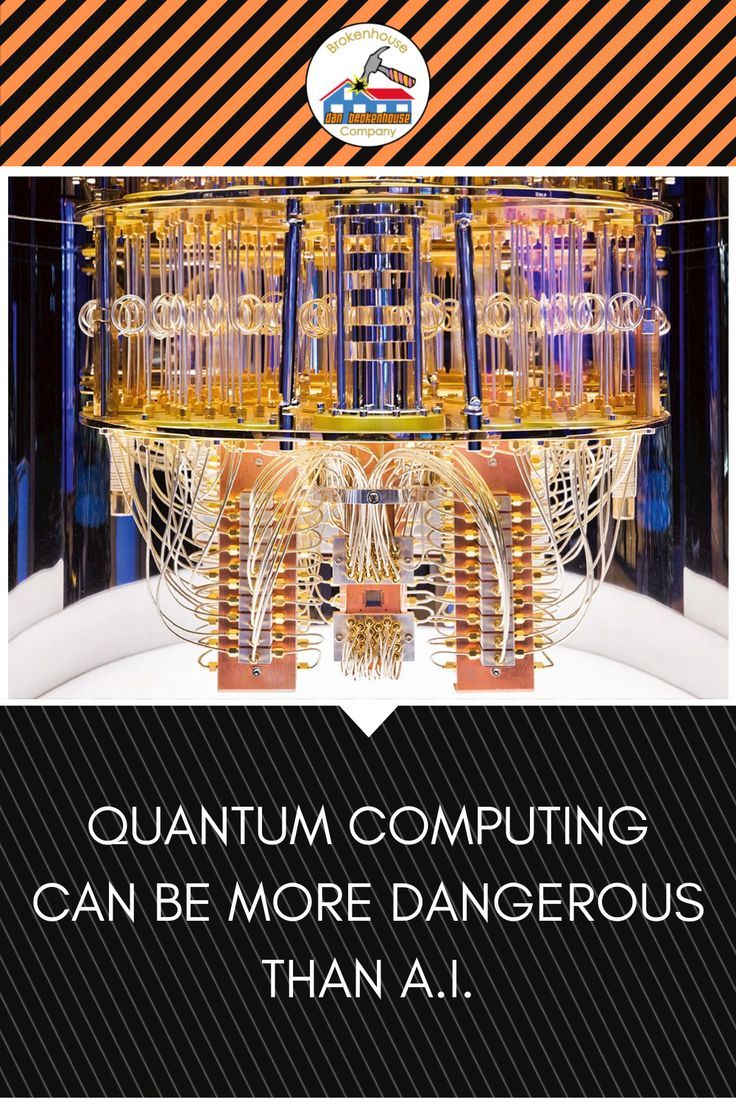
How dangerous is Quantum AI computing?

Understanding Quantum AI Computing Quantum AI computing represents the intersection of two groundbreaking fields: artificial intelligence (AI) and quantum computing. This fusion opens a new realm of possibilities, offering transformative advancements while simultaneously presenting significant risks. The metaphor of Pandora’s Box aptly captures this duality-within this emerging technology lies both extraordinary innovation and potential hazards […]

Read More →

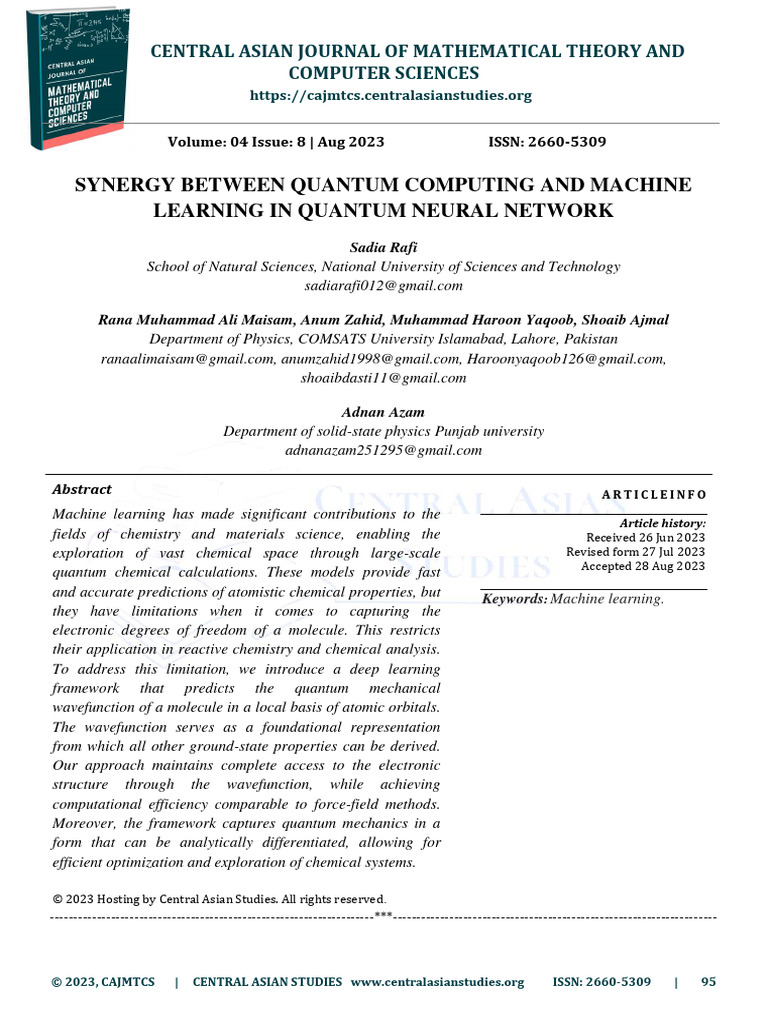
quantum computing or neural networks?

Understanding Quantum Computing and Neural Networks At the forefront of computational innovation lie two transformative technologies: quantum computing and neural networks. Both hold the promise of revolutionizing how machines process information and learn, yet they operate on fundamentally different principles. To appreciate their impact on the evolution of artificial intelligence, it is essential to explore […]

Read More →

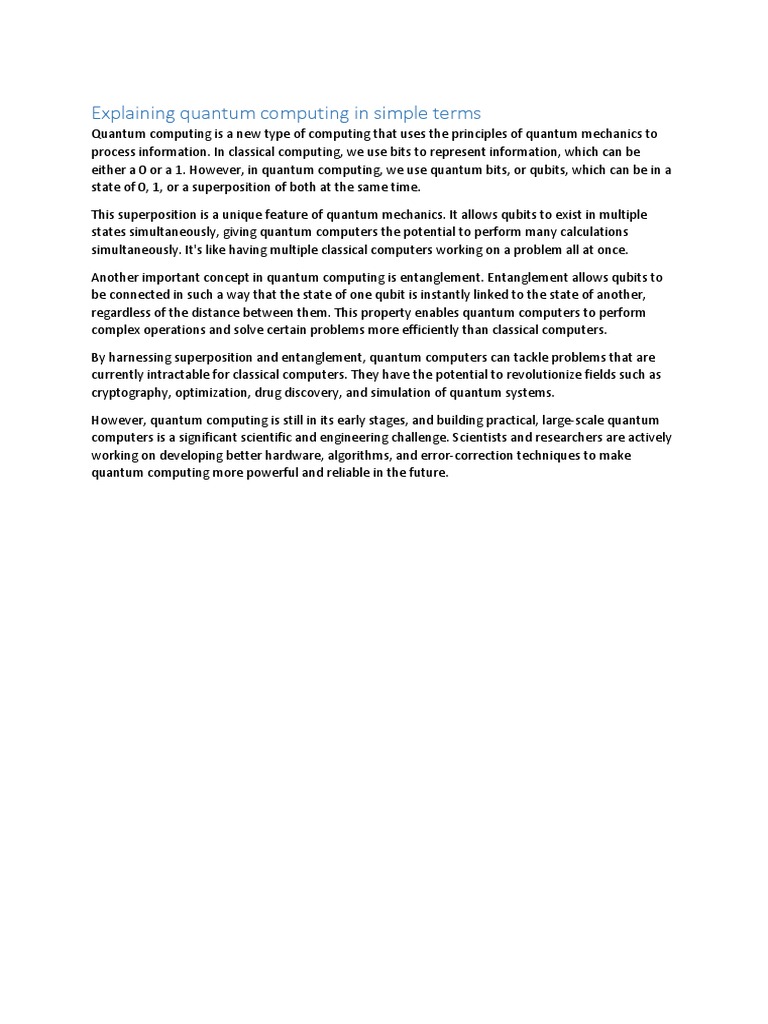
Is there an easy way to explain Quantum Computing?

Definition of Quantum Computing Quantum computing is an advanced field of computing that leverages the principles of quantum mechanics to process information. Unlike classical computing, which relies on bits as the smallest unit of data, quantum computing uses quantum bits or qubits. These qubits can exist in multiple states simultaneously, enabling a fundamentally different approach […]

Read More →

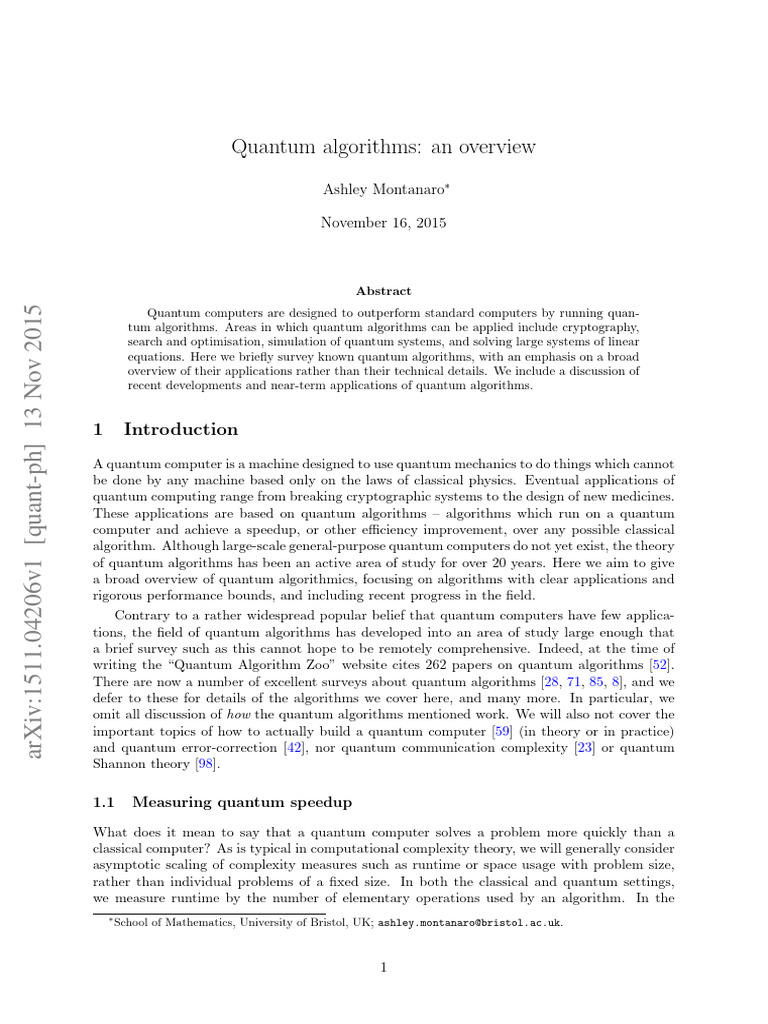
What are the coolest quantum algorithms?

Understanding Quantum Algorithms Quantum algorithms form the backbone of quantum computing, harnessing the unique properties of quantum mechanics to solve problems beyond the reach of classical computers. Unlike traditional algorithms constrained by classical physics, quantum algorithms exploit phenomena such as superposition and entanglement to perform computations with extraordinary speed and efficiency. These algorithms not only […]

Read More →

What is the history of high-performance computing?

Definition of High-Performance Computing (HPC) High-performance computing (HPC) refers to the use of advanced computational systems and techniques to perform complex calculations, simulations, and data processing tasks at speeds far exceeding those of standard computers. HPC enables researchers and engineers to solve large-scale scientific, engineering, and data-intensive problems by leveraging powerful hardware architectures and optimized […]

Read More →

How practical will a prime number producing algorithm be?

Definition of Prime Numbers and Their Significance Prime numbers are fundamental elements within the set of natural numbers, characterized by their indivisibility except by one and themselves. These unique integers serve as the foundational “building blocks” of arithmetic, much like atoms constitute matter in the physical world. Their distinct properties have intrigued mathematicians and computer […]

Read More →