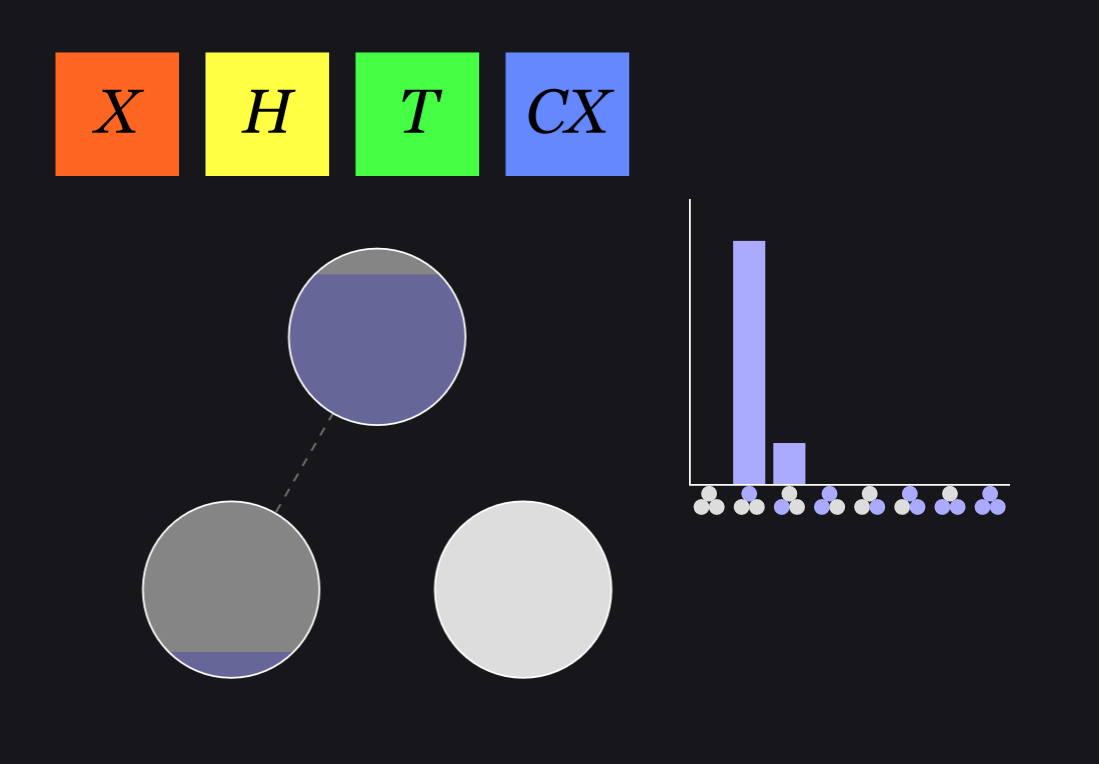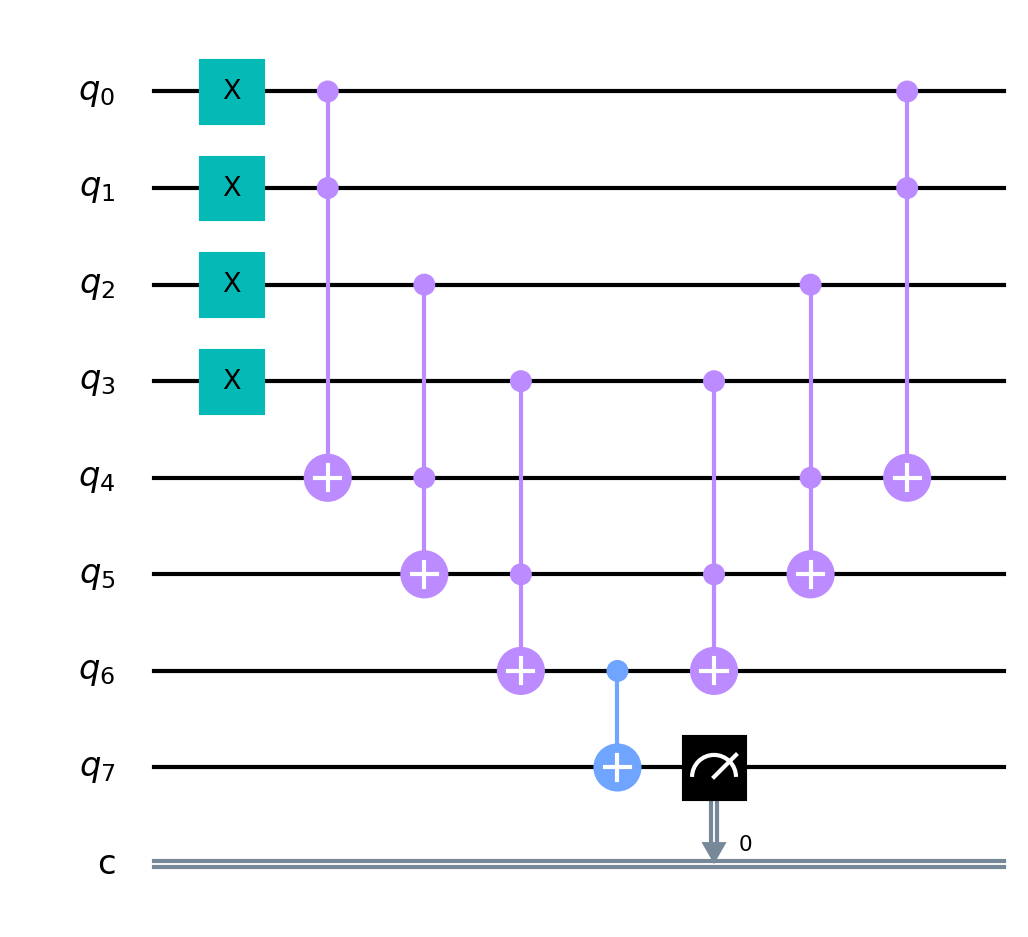
How to wire a 1000-qubit trapped ion quantum computer?

Definition of a 1000-Qubit Trapped Ion Quantum Computer A 1000-qubit trapped ion quantum computer is an advanced computational device that leverages the quantum states of ions confined by electromagnetic fields to perform complex calculations. Unlike classical bits, qubits can exist in superpositions, enabling simultaneous representation of multiple states. Trapped ion systems use charged atoms suspended […]

Read More →

Will I be able to buy a quantum computer in my lifetime?

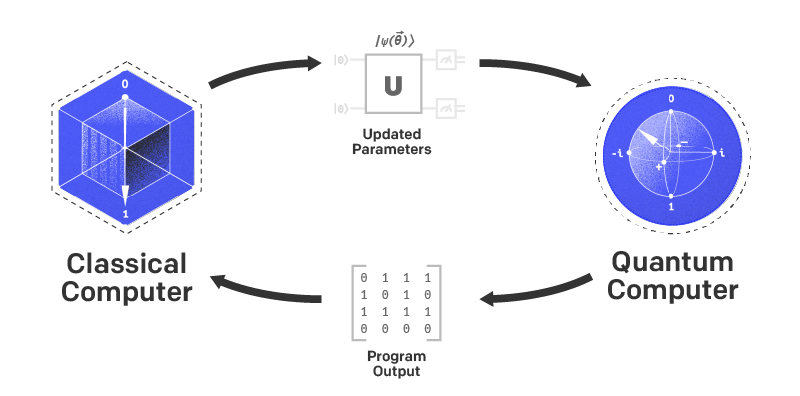
Understanding Quantum Computing Quantum computing represents a groundbreaking shift in computational technology, poised to revolutionize how complex problems are solved across various fields. Unlike classical computers that operate on binary bits-either 0 or 1-quantum computers utilize quantum bits, or qubits, which can exist in multiple states simultaneously due to the principles of quantum mechanics such […]
Read More →

Are relativistic effects relevant in quantum computing?

Understanding the Intersection of Relativity and Quantum Computing The question of whether relativistic effects play a role in quantum computing might initially seem speculative, blending two vast and distinct areas of physics. However, the convergence of quantum mechanics and relativity offers a fertile ground for both theoretical exploration and practical advancements in quantum information science. […]

Read More →

What is classical computing?

Definition of Classical Computing Classical computing forms the foundational framework for most modern computational systems. It involves the processing of information through a combination of hardware and software that operates on binary data using established algorithms. This paradigm underpins the digital era, enabling complex data manipulation and communication. While often taken for granted, classical computing […]

Read More →

Anton Zeilinger: Quantum Magician Wins Newton Medal

Overview of Anton Zeilinger’s Contributions to Quantum Physics Anton Zeilinger stands as a towering figure in modern quantum physics, celebrated for his pioneering work that has significantly advanced our comprehension of quantum mechanics. Awarded the esteemed Newton Medal, Zeilinger is often hailed as a “quantum magician” due to his innovative experiments and theoretical insights, particularly […]

Read More →

What are qubits and why are they important for our future?

Definition of Qubits A qubit, or quantum bit, is the fundamental unit of information in quantum computing, representing a significant departure from classical bits. Unlike classical bits that are strictly binary-existing as either 0 or 1-a qubit can simultaneously occupy multiple states due to the quantum phenomenon known as superposition. This unique capability allows qubits […]

Read More →

Is potential computing power exponential?

Understanding Potential Computing Power Potential computing power refers to the highest achievable capacity of a computational system to execute calculations and process information effectively. This concept encompasses the theoretical and practical limits of how fast and efficiently a device can operate, influenced by both hardware capabilities and fundamental physical laws. Exploring whether this potential grows […]

Read More →

What is Quantum Information Processing?

Definition of Quantum Information Processing Quantum information processing (QIP) is an interdisciplinary field merging principles from quantum mechanics with information theory. It redefines traditional computation and data transmission by utilizing quantum phenomena such as superposition and entanglement. Unlike classical information systems that rely on binary states, QIP operates on quantum bits or qubits, which can […]

Read More →