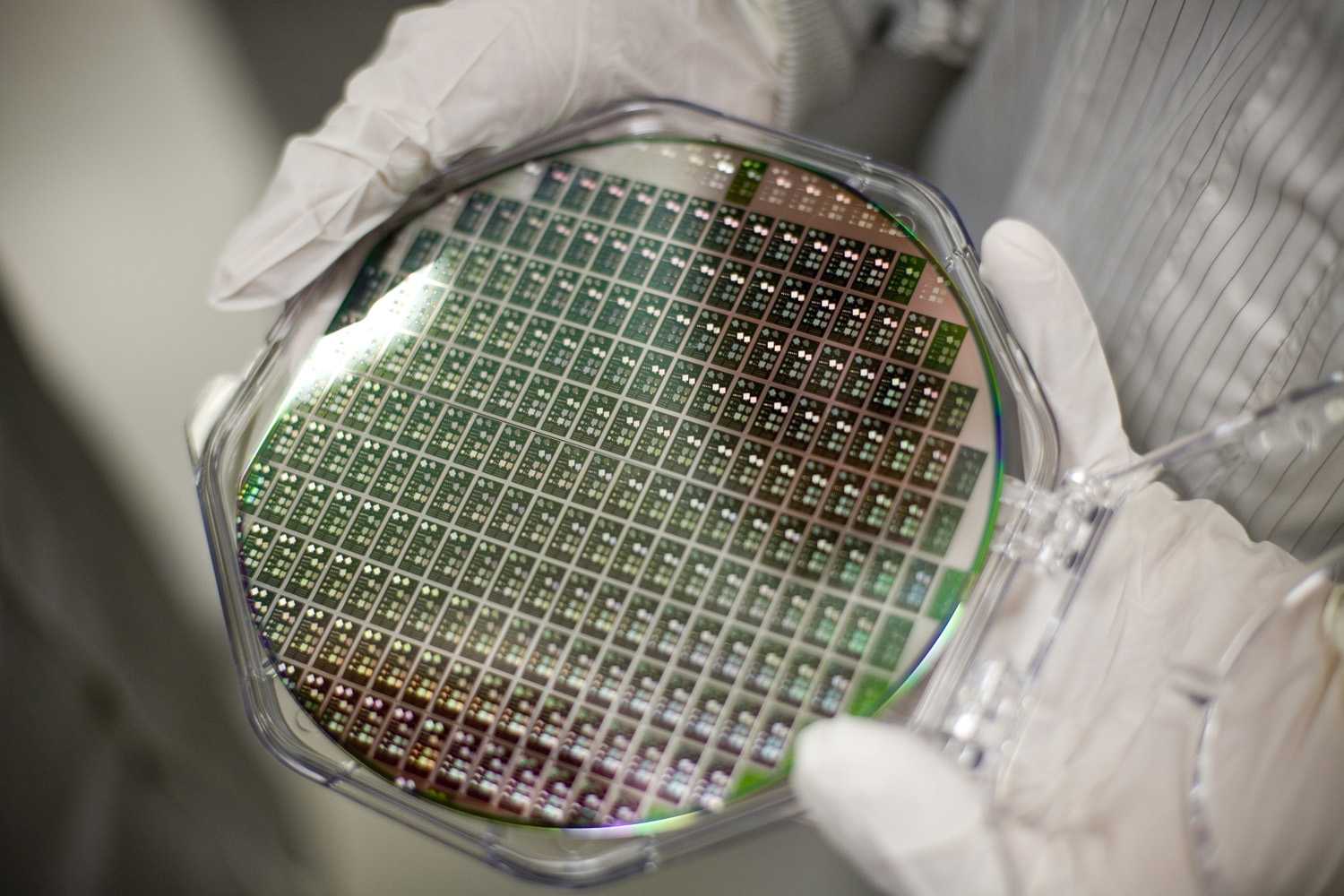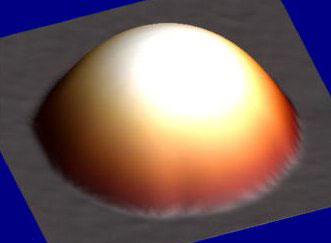
Graphene Bubbles Could Make Better Lenses

Definition of Graphene and Graphene Bubbles Graphene is a single layer of carbon atoms arranged in a two-dimensional hexagonal lattice, renowned for its exceptional physical and chemical properties. Among its many intriguing features, graphene’s interaction with light has sparked considerable interest, especially in the development of novel optical devices. A particularly fascinating phenomenon within this […]

Read More →

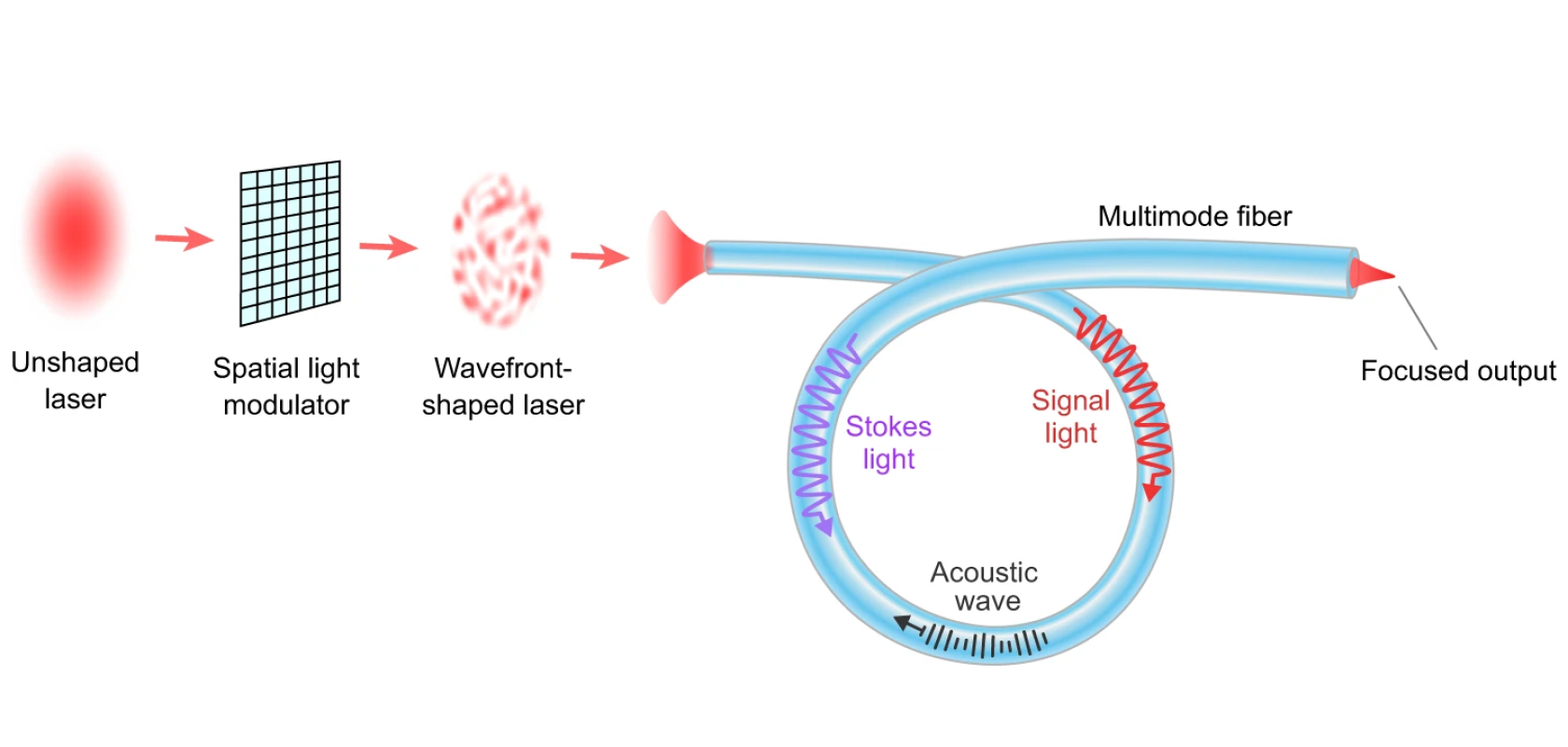
Fibre Optics Are Boosting X-Ray Generation

Definition of Fibre Optics in X-ray Generation Fibre optics refers to the technology that uses thin strands of glass or plastic fibers to transmit light with exceptional precision and minimal loss. In the context of X-ray generation, fibre optics plays a pivotal role by guiding and manipulating light to enhance the production and control of […]

Read More →

From Crystal to 3D: How Light Control Could Change Screens Forever

Definition of Modern Display Technologies Display technology has undergone a remarkable transformation, evolving from early cathode ray tube (CRT) systems to sophisticated high-definition liquid crystal displays (LCDs) and organic light-emitting diodes (OLEDs). The latest advancements focus on manipulating light at microscopic scales to create more vivid, immersive visual experiences. This article explores the progression from […]

Read More →

The First Germanium Laser

Definition and Overview of Germanium Lasers Germanium lasers represent a significant innovation in the field of photonics, marking a new chapter in laser technology by utilizing germanium-a group IV semiconductor element traditionally known for its role in electronics-as the active lasing medium. Unlike conventional lasers that often rely on direct bandgap materials, germanium lasers leverage […]

Read More →

Do PhD Students Have a Life? Let’s Talk Lasers and Late Nights

Understanding the PhD Experience The journey of a PhD student is often perceived as an intense intellectual endeavor, marked by deep research commitments and a demanding academic schedule. This path, especially in specialized fields like laser technology, raises a common question: do doctoral candidates maintain a meaningful life beyond their studies? Exploring this question reveals […]

Read More →

Slowing Light with Caesium: Optical Images in Slow Motion

Understanding Light and Its Fundamental Properties Light, a fundamental entity in optical physics, consists of photons and exhibits both wave-like and particle-like characteristics. Traveling at an extraordinary speed of approximately 299,792,458 meters per second in a vacuum-denoted by the constant c-light’s velocity is a cornerstone of modern physics. However, when light passes through various substances […]

Read More →

Do scientists find popular science boring?

Understanding Scientists’ Perspectives on Popular Science The question of whether scientists find popular science uninteresting or dull is a topic that resonates deeply within both academic circles and the general public. This inquiry reveals the complex relationship between scientific professionals and the ways their work is communicated to broader audiences. To fully grasp this dynamic, […]

Read More →

Is programming needed for optical engineering?

Understanding Optical Engineering Optical engineering is a specialized branch within the broader engineering discipline that focuses on the study and application of light. It combines principles from physics, mathematics, and technology to design, analyze, and manufacture devices that manipulate light. These devices range from simple lenses and microscopes to complex photonic systems used in imaging, […]

Read More →

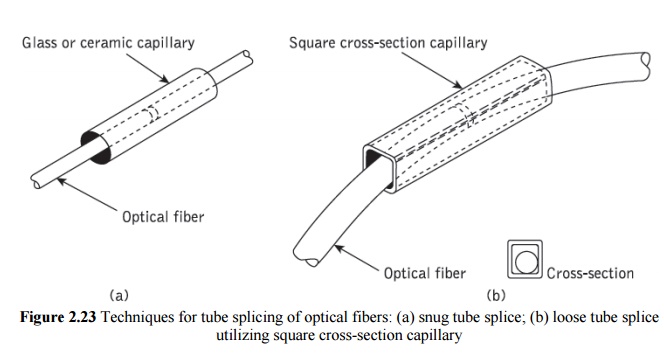
The Curious Case of 45-Degree Fiber Splices: Worth It or Not?

Definition of Fiber Optic Splices Fiber optic splices are critical junctions where two optical fibers are joined to enable continuous light transmission. These connections are essential for maintaining signal quality in fiber optic communication systems, which rely on light traveling through glass or plastic fibers to transmit data at high speeds over long distances. Straight […]

Read More →