

Short Answer
Definition and Historical Context of Ancient Cosmetics
Cosmetics have long transcended mere beautification, serving as a multifaceted phenomenon that intertwines cultural, spiritual, and social dimensions. In ancient civilizations, makeup was not only a tool for enhancing appearance but also a symbol of identity, status, and ritual significance. For example, in ancient Egypt, the use of kohl-composed primarily of ground minerals such as galena and malachite-fulfilled both decorative and protective functions, shielding the eyes from sunlight and infections. Similarly, red ochre was applied to signify life and fertility, reflecting deep-rooted cultural beliefs. These practices reveal how cosmetics were embedded within the social fabric, acting as markers of hierarchy and cultural expression.
Mineral Composition and Crystallography in Ancient Makeup
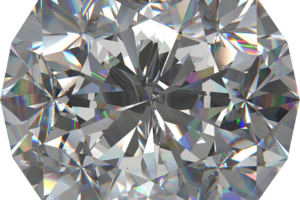
The foundation of ancient cosmetics was predominantly mineral-based, derived from naturally occurring crystalline substances. Crystallography, the study of crystal structures and their properties, offers valuable insights into the physical and optical characteristics of these minerals. Crystals are highly ordered molecular arrangements that exhibit distinctive behaviors such as light reflection, refraction, and absorption. For instance, malachite’s hexagonal crystal lattice produces unique optical effects by manipulating light, which may have contributed to the luminous quality of ancient eye makeup. Understanding these crystallographic features helps explain how mineral particles interacted with skin and light to create visually striking effects.
Optical Properties of Mineral Crystals
- Reflection and Refraction:
Crystals can bend and reflect light in specific ways, influencing the perceived color and brightness of makeup. - Light Absorption:
Certain minerals absorb particular wavelengths, affecting pigmentation and the overall appearance on the skin.
Physical Characteristics and Particle Dynamics
The size and distribution of mineral particles in ancient cosmetics played a crucial role in their application and performance. Fine particles tend to provide smoother texture and more uniform coverage, while coarser grains may result in uneven application. The physics behind particle behavior explains why certain formulations were preferred historically, as they balanced aesthetic appeal with practical usability. The dispersion of these particles within a binding medium also influenced the durability and feel of the makeup on the skin.
Chemical Interactions and Stability of Ancient Formulations
Beyond physical properties, the chemical interplay among various mineral ingredients contributed to the stability and longevity of ancient cosmetics. Combining different colorants and compounds could enhance the makeup’s resistance to degradation through synergistic effects. Thermodynamic and kinetic principles govern these molecular interactions, affecting how the substances respond to environmental factors such as heat and moisture. This chemical resilience was essential for maintaining the cosmetic’s appearance and protective qualities over time.
Health Implications and Toxicological Considerations
While mineral-based cosmetics offered numerous benefits, some contained elements now recognized as hazardous, such as lead-containing galena. Investigating the toxicological impact of these substances requires a multidisciplinary approach involving physics, chemistry, and biology. Modern scientific techniques help elucidate how prolonged exposure to toxic minerals affected ancient users, providing a framework for assessing safety in historical and contemporary contexts. This research underscores the importance of evaluating cosmetic ingredients through rigorous health standards.
Modern Revival and Scientific Advancements in Mineral Cosmetics
There is a growing contemporary interest in mineral-based cosmetics, driven by consumer demand for natural and safe beauty products. Advances in physics and chemistry enable the refinement and synthesis of mineral makeup that meets modern safety and efficacy criteria. Techniques such as particle engineering and crystal chemistry optimization allow for the creation of formulations that maximize aesthetic qualities while minimizing health risks. This scientific progress bridges ancient traditions with current innovations, fostering the development of cosmetics that honor natural origins and contemporary standards.
Interdisciplinary Insights: The Convergence of History and Science
The study of ancient cosmetics through the prism of modern physics and materials science reveals a rich interdisciplinary dialogue. By analyzing the crystallographic and chemical properties of mineral ingredients, researchers gain a deeper understanding of historical practices and their societal implications. This fusion of traditional knowledge and scientific inquiry not only enriches our appreciation of past cultures but also informs the future trajectory of the cosmetics industry. Emphasizing sustainability, safety, and efficacy, this integrated perspective highlights the enduring relationship between human self-expression and the natural world.
FAQ
What were ancient cosmetics made of?
Ancient cosmetics were predominantly mineral-based, using crystalline substances like galena and malachite for their decorative and protective functions.
How do crystals affect makeup?
Crystals can bend and reflect light, influencing the perceived color and brightness of makeup, which enhances the visual effects on the skin.



Leave a Reply